
Illusion / Evocation · Moving Light
Dancing Lights
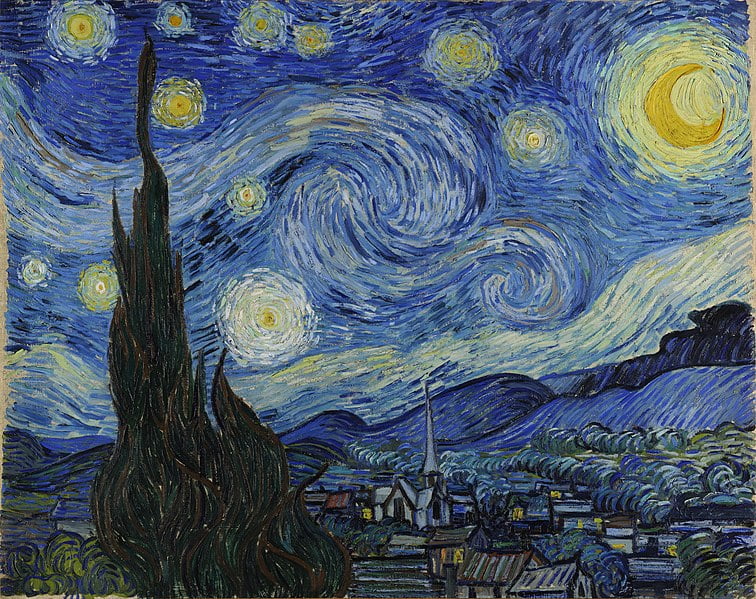
Dancing Lights creates up to four moving lights—or a single vaguely humanlike luminous form—that can be sent ahead, arranged as signals or used to mislead anyone who mistakes light for a person.
The spell is not powerful illumination. Its strength is movement, distance and ambiguity: a light where no one expects one can mark a route, suggest a patrol, bait a sentry or imitate the unsettling folklore of wandering night-lights.
Quick Reference
At a Glance
| 5.5e / 2024 | Illusion cantrip · Bard, Sorcerer, Wizard · 120 ft. · Concentration 1 minute |
|---|---|
| 5e / 2014 | Evocation cantrip · Bard, Sorcerer, Wizard · 120 ft. · Concentration 1 minute |
| Pathfinder 1e | Evocation [light] · Bard 0, Sorcerer/Wizard 0 · Medium range · 1 minute |
| D&D 3.5e | Evocation [Light] · Bard 0, Sorcerer/Wizard 0 · Medium range · 1 minute |
Rules
Dancing Lights by Edition
Dancing Lights — 5.5e / 2024
| Level | Illusion Cantrip |
|---|---|
| Classes | Bard, Sorcerer, Wizard |
| Casting Time | Action |
| Range | 120 feet |
| Components | V, S, M (a bit of phosphorus) |
| Duration | Concentration, up to 1 minute |
Create up to four torch-size lights within range. They can look like torches, lanterns or glowing orbs. Alternatively, combine all four into one glowing Medium form that is vaguely humanlike.
Each light sheds Dim Light in a 10-foot radius. As a Bonus Action, you can move the lights up to 60 feet to a space within range. Every light must remain within 20 feet of another light created by the spell, and a light vanishes if it goes beyond the spell’s range.
Dancing Lights — 5e / 2014
| Level | Evocation Cantrip |
|---|---|
| Classes | Bard, Sorcerer, Wizard |
| Casting Time | 1 action |
| Range | 120 feet |
| Components | V, S, M (phosphorus, wychwood or a glowworm) |
| Duration | Concentration, up to 1 minute |
The 2014 spell uses the same basic movement and formation rules as 2024: up to four torch-sized lights, or one glowing vaguely humanoid Medium form; Dim Light in a 10-foot radius; and Bonus Action movement up to 60 feet.
The important differences are classification and materials: it is an Evocation cantrip rather than Illusion, and its material component list is broader.
Dancing Lights — Pathfinder 1e
| School | Evocation [light] |
|---|---|
| Level | Bard 0, Sorcerer/Wizard 0 |
| Casting Time | 1 standard action |
| Components | V, S |
| Range | Medium (100 ft. + 10 ft./level) |
| Effect | Up to four lights, all within a 10-ft.-radius area |
| Duration | 1 minute (D) |
| Saving Throw | None |
| Spell Resistance | No |
Create up to four lights resembling lanterns, torches or glowing spheres, or one faintly glowing vaguely humanoid shape. The lights remain within a 10-foot-radius area relative to one another but can otherwise move as you direct them.
They can move up to 100 feet per round and do not require Concentration. A light disappears if it exceeds the spell’s range.
Permanency: Dancing Lights can be made permanent on an object or area with Permanency; Pathfinder requires caster level 9th and 2,500 gp.
Dancing Lights — D&D 3.5e
| School | Evocation [Light] |
|---|---|
| Level | Bard 0, Sorcerer/Wizard 0 |
| Casting Time | 1 standard action |
| Components | V, S |
| Range | Medium (100 ft. + 10 ft./level) |
| Effect | Up to four lights, all within a 10-ft.-radius area |
| Duration | 1 minute (D) |
| Saving Throw | None |
| Spell Resistance | No |
The 3.5e spell has the same core legacy behaviour: four torch/lantern/will-o’-wisp-like lights or one faint humanoid form, with the group confined to a 10-foot-radius area and moving up to 100 feet each round.
Permanency: the spell can be made permanent at caster level 9th; the 3.5e cost is 500 XP rather than Pathfinder’s gold-piece cost.
Edition Changes
What Changed?
- 2024 changes the school from Evocation to Illusion.
- Modern D&D uses 120-foot range and Concentration; PF1e/3.5e use Medium range and no Concentration.
- Modern movement is 60 feet as a Bonus Action; legacy lights can move up to 100 feet per round.
- Modern lights must remain within 20 feet of another light; PF1e/3.5e keep the whole group inside one 10-foot-radius area.
- PF1e/3.5e can make Dancing Lights permanent through Permanency; modern D&D has no general equivalent.
Tactics
Using Dancing Lights
Scout Ahead Without Sending a Person
Move the lights through open passages, over pits, into courtyards or along a road before the party commits itself. They do not reveal invisible creatures or provide senses, but they can expose the shape of terrain and draw attention away from the real scouts.
Create False Movement
A distant lantern that moves like a patrol is more convincing than a stationary glow. Four lights can imply several travellers, guards spreading out, or a group approaching from the wrong direction.
Signal at Distance
Prearranged formations can carry simple messages: one light for danger, two for a clear route, four for withdrawal. The spell does not create detailed writing or pictures, but a handful of positions can form an effective code.
Use the Humanoid Form Carefully
The glowing figure is only vaguely humanlike. At distance it can suggest a person or supernatural presence; close inspection should not turn it into a detailed duplicate, voice or full illusion.
Comparison
Dancing Lights versus Light
| Feature | Dancing Lights | Light |
|---|---|---|
| Mobility | Moves during the spell | Normally stays with the affected object |
| Illumination | Dim Light only in modern D&D | Better general illumination |
| Concentration | Required in 2024/2014 | Normally not required |
| Deception | Can imitate moving lanterns or a vague humanoid figure | Primarily illumination |
| Legacy Permanency | Yes in PF1e/3.5e | Different legacy interactions |
Rulings
Frequently Asked Questions
Can Dancing Lights reveal invisible creatures?
No. Light can illuminate the area around an invisible creature, but the spell does not reveal the creature itself unless another rule says it becomes visible.
Can the lights pass through walls?
No special ability to pass through solid objects is granted. Move them through open passages, doors, windows and other available routes.
Can the humanoid form impersonate a specific person?
Not convincingly. It is vaguely humanlike and lacks detailed face, clothing, voice and physical substance.
Can the lights create words or detailed pictures?
No. Four points can make a simple symbol or code, but not detailed writing, maps or animated scenes.
Can Dispel Magic end Dancing Lights?
Yes. It is an ongoing spell effect. Apply the dispelling rules of the edition in play.
What happens in magical darkness?
Use the exact darkness effect. In modern D&D, stronger magical darkness can suppress or dispel lower-level magical light where its text says so.
GM Guidance
Running Dancing Lights
Reward convincing placement. A light moving like a sentry, boat lantern or travelling party can create hesitation even without imposing a formal condition.
Intelligent creatures can investigate. Experienced guards may wait, fire towards the light, send a scout or watch the path it came from rather than automatically following it.
Do not grant free blindness, fear, Advantage or distraction just because the spell looks dramatic. Those outcomes should come from circumstances, deception or another rule.
World Use
Dancing Lights in the World
A moving lantern no longer proves a traveller is present. Miners and ruin-delvers can mark junctions and unstable passages without sending a person forward. Watchmen can use coded formations between towers. Couriers can mark rendezvous points. Performers can turn the spell into processional light.
Thieves, smugglers, scouts and raiders use the same qualities for misdirection. Lights can draw sentries towards the wrong gate or suggest reinforcements beyond a ridge.
On coasts and rivers, false beacons are treated seriously. A harmless cantrip can become lethal when a ship follows a convincing light towards rocks, shoals or an ambush.
Adventure Hooks
Adventure Hooks
The False Harbour Lights
Merchant vessels are wrecking on the same reef after following lights that imitate the harbour signal. The culprit may be a smuggler, a coastal magician or a genuine wandering-light creature.
Four Lights at the Gallows
Four pale orbs appear above an abandoned execution ground and travel towards a magistrate’s house. The formation is both a public omen and a private code.
The Lantern Patrol
Guards repeatedly abandon their posts to investigate lights moving along the outer wall. Someone is measuring their response before a larger infiltration.
The Permanent Procession
Humanlike lights repeat the same route through a sealed ruin. Their path preserves the final movements of the architect who hid the inner vault.
The Missing Surveyors
A mining crew follows its route-marking lights underground, only to discover that a second formation has appeared and quietly changed the path behind them.
The Corpse-Candle Accusation
A pale light travels from a sick noble’s house towards the cemetery. Rival heirs, frightened servants and a court magician all have reasons to manufacture the omen.
Folklore
Historical and Mythological Parallels
Before reliable street lighting, a distant lamp carried immediate meaning: road, inn, boat, watch post, household, procession or traveller. A light that moved without a visible bearer suggested that an unseen intelligence was present.
Wandering lights appear in stories of marshes, graveyards, moors, shorelines and lonely roads. Natural explanations range from distant lanterns and reflections to atmospheric effects and bioluminescence, but folklore gives the light intention: it guides, deceives, warns, predicts death or marks treasure.
Will-o’-the-Wisps
The spell’s glowing-orb form resembles the wandering lights associated with bogs and dangerous roads. That resemblance is visual only; Dancing Lights does not summon or control a Will-o’-Wisp.
Corpse Candles
Welsh traditions of the cannwyll corff, or corpse candle, describe mysterious moving lights associated with death and funeral routes. A spellcaster can deliberately reproduce an omen that folklore treats as spontaneous.
False Beacons
The same pattern appears in stories of deceptive shore lights and wandering lanterns: a distant light promises safety while directing travellers towards danger.
Related Magic
Related Spells and Creatures
- Light — stronger everyday illumination.
- Darkness — specialised magical darkness and a common counter.
- Dispel Magic — ends ongoing magical effects.
- Permanency — can make Dancing Lights permanent in PF1e/3.5e.
- Will-o’-Wisp — a dangerous creature visually reminiscent of the spell.
- Bard Spells
Sources & Licensing
Rules Sources
The 2024 and 2014 panels follow the corresponding public D&D rules entries. Pathfinder 1e and D&D 3.5e use their open rules versions, including their different Permanency costs. Edition-specific commentary and world material are kept separate from the underlying rules text.
Keep this reference growing
If this page helped with your reading or game, you can support its upkeep or explore the curated books.
Explore the Bookshop — epics, classics and stories behind imagined worlds.