
Mexico and Central America
Independent lake states, mountain kingdoms and Maya trade routes
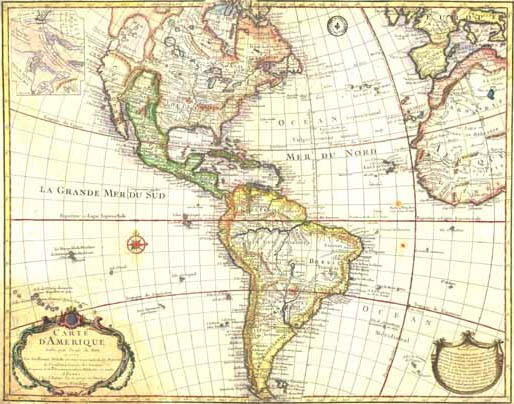
The Valley of Mexico · Purépecha highlands · Maya city-states · Central American trade roads
At a Glance
| Region | Central and southern Mexico, the Yucatán Peninsula and the neighbouring Central American lands |
|---|---|
| Principal powers | The Mexica-led Triple Alliance, independent Tlaxcala, the Purépecha state around Lake Pátzcuaro, and separate Maya kingdoms and lordships |
| Major centres | Tenochtitlan, Texcoco, Tlacopan, Tlaxcala, Tzintzuntzan and Q’umarkaj |
| Immediate pressure | Crop failure, food shortages, debt, contested tribute and shifting alliances |
| Best for | Lake travel, markets, diplomatic missions, contested borders, ancestral places and the politics of survival |
The lake causeways leading to Tenochtitlan still carry tribute, traders and official messengers, but years of failed harvests have made maize a matter of statecraft. Across this enormous region, people govern cities, maintain farms and canals, exchange goods and defend their own claims. There is no single ‘Aztec empire’ ruling the entire map: Mexica power is expanding in central Mexico, while Tlaxcala, the Purépecha state and many Maya polities retain their own rulers and agendas.
Explore the Region
Start with the North America atlas for the wider land, then follow the factions directory for the Mexica Triple Alliance and Maya successor networks. The Mesoamerican pantheon and Bestiary connect divine and non-human material to the wider setting; their linked entries give more detail on the powers and creatures encountered across the wider world.
What Is Happening Right Now?
One Rabbit: the famine
The years around 1450–1454 bring severe crop failures to central Mexico. Families leave their fields, storekeepers face impossible choices and rulers need grain from people who may have little to spare. The Mexica ruler Motecuhzoma I has armies and tribute relationships, but military reach cannot conjure a harvest. A convoy of maize can save a district, reinforce a rival ruler or make its escorts targets.
Tlaxcala will not submit
East of the Valley of Mexico, Tlaxcalan leaders defend their independence amid increasing military and commercial pressure. Crossing between communities loyal to different powers means finding out which market accepts a trader, which road is watched and whether a sealed message constitutes diplomacy or provocation. Neither side speaks with a single voice.
The west has its own centre
Around Lake Pátzcuaro, the Purépecha rulers govern a powerful state separate from the Mexica alliance. Tzintzuntzan is becoming the principal political and sacred centre. Control over lake transport, metalworking, tribute and the surrounding uplands makes the western routes valuable without reducing the Purépecha to an obstacle on somebody else’s map.
Mayapan’s broken authority
In northern Yucatán the authority once exercised from Mayapan has fractured around the middle of the fifteenth century. Later records connect the city’s fall with scarcity and conflict, though their chronology is not perfectly secure. Elsewhere Maya courts and towns continue to trade, fight, farm and negotiate; they have not vanished because one political centre failed.
Places That Matter
Tenochtitlan and its lake approaches
Canals, chinampas, markets and causeways bind the Mexica capital to its waterside neighbours. Barges and porters move grain and goods through checkpoints where guards can inspect cargo, challenge a traveller’s sponsor or enforce a levy. The lakes provide routes that a mounted messenger cannot use.
Tlaxcala and the eastern roads
The upland approaches reward guides who know which settlements answer to which authorities. Travellers can seek refuge, bargain for passage or be drawn into disputes over an intercepted shipment. A border is a set of people and obligations, not a straight line on a map.
Tzintzuntzan and Lake Pátzcuaro
The lake, islands and shore communities sustain the Purépecha political centre. Boats, fishing, craft workshops and hill routes offer practical entry points for visitors; the question at a quay may be whose officer is authorised to collect a toll.
Yucatán and the Guatemalan highlands
After Mayapan, the northern peninsula contains rival Maya lordships rather than a vacant wilderness. In the southern highlands, the K’iche’ kingdom centres on Q’umarkaj. Routes between valleys, markets and courts involve their own languages, authorities and histories. Treat the distance between these places as a major journey, not one day’s excursion.
People, Factions and Services
Mexica tribute officers, Tlaxcalan diplomatic households, Purépecha lake authorities and Maya court messengers have different interests. Traders, cultivators, porters, boat crews, healers, interpreters and temple custodians can be more important to a party than any ruler. Food, credible introductions, local guides and safe lodging are things travellers must arrange rather than assume.
Magic, Ancestral Places and Other Peoples
Sacred mountains, springs, caves, agricultural cycles and living divine obligations form part of the region’s political life. Communities differ in which powers and ancestors they recognise. A dispute about a grove or water source may therefore concern law, food and authority together, not simply a dangerous shrine. A ruler’s promise may not settle a sacred boundary dispute when neighbouring communities recognise different custodians of the same mountain or spring.
Dangers and Adventure Hooks
The grain boats
A merchant household has purchased maize intended for a hungry lakeside district. Its rivals say the purchase was legal; the receiving ward says the grain was pledged to them. The party can escort the boats, audit the claim, negotiate a division or reveal that somebody has sold the cargo twice. Each outcome leaves people owing someone a debt.
The western seal
A letter authorising passage through Purépecha territory is challenged at the lakeshore. The signatory is real, but the authority it claims is disputed. A messenger, a boatmaster and a local officer all tell different parts of the truth. Fighting the guards will close the route; tracing the chain of permission may open it.
The emptied storehouse
In a Maya town, grain disappears before a planting festival. One faction blames travellers arriving after drought elsewhere; another knows the public granary has been promised to two creditors. Find the stores, settle the competing claims or secure new food without treating hunger as evidence of a supernatural curse.
Travel, Law and Practical Play
Lake and coastal routes can save days but depend on weather, boats and local pilots. Upland roads cross separate jurisdictions, and a safe-conduct recognised in one town may mean nothing at the next gate. Language, market rules, tribute, land tenure and access to food vary sharply. Ask whom the party represents, how they will pay a guide and who has the right to give permission before deciding a journey is routine.
Deeper History
These states inherit centuries of changing cities, dynasties, migration and trade. Earlier centres such as Teotihuacan are part of a deep past, not abandoned proof that the living cities of this age have disappeared. Decades after this opening period, overseas invasions associated with Hernán Cortés will change the region’s history. They do not describe who rules these cities now.
Historical Sources and Adaptation
For the famine’s dating and consequences, consult the INAH-linked study of One Rabbit (1450–1463) and the Ancient Mesoamerica research on drought, Mayapan and chronology. Mexico’s National Institute of Anthropology and History describes Tzintzuntzan’s development and the chronology of its rulers. The political tensions, deliveries, disputes and specific hooks above are playable campaign situations built from these historical pressures, not documented incidents.
Keep this reference growing
If this page helped with your reading or game, you can support its upkeep or explore the curated books.
Explore the Bookshop — epics, classics and stories behind imagined worlds.