
Gengenbach — The Kinzig Gate and the Masked Streets
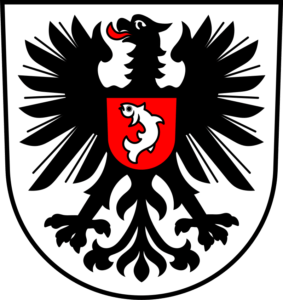
- Status: Free Imperial City on the Kinzig, recognised as an imperial city in 1360.
- Where: Western entrance to the Black Forest, where the Kinzig leaves the wooded hills for the Ortenau plain.
- Government: Civic council, town court and guilds; the neighbouring sacred estate maintains separate ancient rights.
- Foundations: The sacred community established in the eighth century and the planned walled town laid out in the thirteenth century.
- Landmarks: Kinzig crossings, fortified gates and towers, market square, the sacred precinct and its farms, hillside paths toward the forest.
- Livelihoods: Grain, vines, mills, woodland timber, leather, cloth, carriers and travellers on the old valley road.
- Language: Alemannic speech in the town and valley, with other tongues at its markets.
- Custom: Street masquerades at the turn of the winter season, watched carefully by both the council and the guardians of the sacred precinct.
The Kinzig brings road traffic out of the Black Forest to Gengenbach’s gates. Timber rafts and wagons arrive from the wooded valley; wine, grain and cloth come in from the Ortenau plain. Above the market stands a sacred precinct older than the town, with estates of its own and officers who do not answer to the council. Gengenbach is an imperial city, but its independence is lived one gate duty, market privilege and quarrel with its neighbours at a time.
Where the Kinzig Leaves the Hills
Gengenbach grew beside a useful crossing and an older road running through the valley toward the upper Neckar. The town was planned around the thirteenth century with defensive walls and gates, and its council gained imperial standing in 1360. Traders prefer its warehouses and inns to the uncertain stretches farther uphill. A merchant whose timber was measured in Wolfach may discover it is measured again on reaching the town, but the same streets can supply fresh horses, competent craftsmen and news from the Rhine lands.
The vineyards and farms below the wooded slopes feed the market. Small mills along the waters depend on their sluices and millstones, while charcoal and split timber move down from the valleys to local smiths. Rain high in the forest can swell the river long after the town itself has seen clear skies. Experienced carriers ask the gate watch about the water level before committing their goods to the next crossing.
The Town and the Sacred Estate
The old foundation of Gengenbach once held much of the Kinzig country and established farms in its neighbouring valleys. Its leaders retain sacred duties, woodland revenues and the right to hear certain claims against their tenants. The town council, meanwhile, possesses the authority of an imperial community and the loyalty of its trades. The two powers stand within sight of one another and depend on the same road and harvests, yet their seals are not interchangeable.
Among the sacred precinct’s holdings are households in the side valleys and fields whose boundaries predate the city wall. A cask of wine given as an ancestral offering can be counted by the precinct as customary revenue; a merchant selling from the same cart may be asked for market dues at the town gate. A prudent visitor learns whose business is being conducted before signing an agreement.
When the Streets Wear Another Face
At the waning of winter the town’s streets become a place for noise, disguises and the settling of grudges that ordinary market days leave untouched. Some revellers wear patched cloaks, painted faces or masks cut into animal and grotesque shapes. Families remember the masquerades as an old privilege of the town. The council sees the risk in a crowd that can mock an officer without showing a face; the sacred keepers know that masked people sometimes seek protection by crossing into their precinct.
One of the watch captains has begun collecting disguises used to threaten a young apprentice who witnessed a theft. She knows only that the wearer spoke with a voice disguised by a reed whistle. A public seizure of everyone’s masks would turn the festival against the council; the apprentice’s guild would rather quietly identify the culprit before the streets fill again. The culprit might be unmasked by following the rare whistle, not by accusing every stranger at the gates.
What Is Happening Right Now?
A messenger from a valley holding has reached the town with an estate charter written in two different hands. Its older wording promises grazing and wood gathering to several families; a later line restricts access to the precinct’s servants. The families have brought their animals down to the market square as witnesses to the practical cost of the change. The copyists who know the earliest form of the script live inside the sacred enclosure, which has declined to release the original for inspection.
At the next festival, the market guilds intend to carry a large decorated hook through the streets in defiance of a new watch ordinance. A guard who arrests the wrong reveller could set the crowds against the council. The keeper of the sacred gate has offered sanctuary to those who cross it without drawing weapons, but the town’s commander has quietly instructed his men to close that passage before nightfall.
Arriving at Gengenbach
Gengenbach provides the last convenient market and road advice before the Kinzig valley narrows. Guides, timber crews, river carriers, smiths and inns can be found around the gates. For a company heading into the Black Forest, the most useful question is not whether the track is marked, but which village keeps its bridge and who controls the forest beyond it. When the winter masquerade is under way, keep horses out of the crowded market lanes and find lodging early.
Historical Sources
Stadt Gengenbach — History; Gengenbach visitor service — Old Town History; Narrenzunft Gengenbach — Festival Chronicle. The archive preserves early evidence of the town’s winter street revelry.
Keep this reference growing
If this page helped with your reading or game, you can support its upkeep or explore the curated books.
Explore the Bookshop — epics, classics and stories behind imagined worlds.