
Friedberg — The Insolvent Imperial City
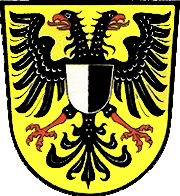
Friedberg still calls itself an imperial city, but its creditors are closing in. The cloth markets that once enriched the town have dwindled, fire has taken whole streets, and merchants who travelled safely to the Frankfurt fairs can no longer rely on the escorts they once bought. Above the houses stands a second power: Friedberg Castle, home to its own community of imperial knights and officers. The town council and the castle’s Burgmannen share a name, but not an obedient relationship.
- Realm: imperial city in the Wetterau, within the Holy Roman Empire
- City government: town council and magistrates, constrained by debts and imperial pledges
- Castle government: the separate imperial burgraviate of Friedberg, led by a Burgrave and its association of Burgmannen
- Neighbouring markets: Frankfurt and the Wetterau towns; Frankfurt’s fairs dominate the region’s trade
- Livelihoods: cloth-making, farming supplies, craft shops, cartage and market tolls
- Defences: town wall, Friedberg Castle and the castle’s prominent Adolfsturm
- Recent blows: damaging fires in 1383 and 1447, falling cloth revenues, mounting obligations
- Immediate danger: the town’s insolvency gives the castle’s noble officers new leverage over civic decisions
What Is Happening Right Now?
A party of cloth merchants has gathered at the town hall with ledgers and letters from Frankfurt. The escort that protected their goods on the way to the fairs has been withdrawn. One merchant wants a loan to hire armed riders; another would rather surrender his looms than add to the debt. The council has called for a fresh accounting, but its wealthiest creditors live beyond its walls.
At the castle the Burgrave’s men see the city’s distress as an opening. Six Burgmannen already sit among the town’s councillors under arrangements older than the current crisis, and their captain offers guards for the market road—if the city acknowledges additional castle rights. The town officers are divided over accepting protection that could become permanent control.
The Castle Above the Town
Friedberg Castle is not merely the residence of a count. It is an imperial castle community whose knights hold properties and obligations of their own. Within its walls stand their lodgings, halls, stores and the high Adolfsturm, built in the fourteenth century. The Burgmannen can muster armed retainers and draw on landed incomes while the town’s tax receipts falter.
A well-known tale explains the Adolfsturm’s construction through a captured nobleman. In the story the castle’s knights took Count Adolf of Nassau prisoner during a feud in 1347 and raised the tower with his ransom. Whether told proudly by a castle soldier or bitterly by a townsman, the story reminds visitors how much power a well-defended stronghold can exert over those outside its walls.
Cloth, Debt and the Frankfurt Road
Friedberg’s looms once supplied cloth traded well beyond the Wetterau. That commerce is now under pressure from larger markets, especially Frankfurt. Merchants need safe passage, credit and trustworthy measures; weavers need orders and regular payment. When a cloth merchant loses access to the Frankfurt fair, dyers, carters and shopkeepers all feel it.
Two great fires, in 1383 and again in 1447, have left families rebuilding while debts remain. A street that looks prosperous from the market may conceal houses pledged twice over. A landlord can demand arrears from a family whose roof has only lately been replaced; the council, desperate for revenue, may insist on collecting a tax that it previously overlooked.
Two Authorities, One City
Friedberg’s imperial status does not settle every question of command. The king has pledged rights over the city to outside interests, while the castle’s officers maintain their own privileged community. Councillors record debts and civic privileges; the Burgrave’s men keep accounts of castle dues and military service. A person summoned before one authority may insist that only the other can judge the case.
The conflict is not confined to nobles and magistrates. Tailors, fullers, millers, traders and hired watchmen depend upon a working agreement between the castle and the town. The city needs escorts and security; the Burgmannen need a market worth defending. Neither benefit is guaranteed by a grand title.
Travelling and Finding Work
Friedberg sits on the routes through the Wetterau towards Frankfurt and the north. A caravan may obtain lodging and food but struggle to find a dependable escort to the fair. Wagons carrying cloth draw attention from thieves and from officers demanding dues. The castle has armed men, but their allegiance is not to every traveller who asks for help.
Those who seek employment might be hired to carry a debt record safely to Frankfurt, accompany a creditor willing to inspect a burned warehouse, recover stolen cloth without starting a feud or stand witness while a council clerk counts the contents of a sealed chest. A good witness may be worth more to the council than another armed retainer.
Historical Sources and Neighbours
The City of Friedberg’s account of the Adolfsturm records the fourteenth-century tower and its ransom tradition. The Hessian State Archives’ Friedberg Castle collection documents the Burgmannen’s separate privileges and extensive dealings with the town. Later charters, including the 1483 agreement, attest how far castle control would eventually reach. The present town is still fighting to preserve its independence. Frankfurt and the other Wetterau towns remain essential to its merchants. Gelnhausen, farther along the imperial road network, faces its own struggles over pledged rights; both towns know the cost of depending on outside claimants.
Keep this reference growing
If this page helped with your reading or game, you can support its upkeep or explore the curated books.
Explore the Bookshop — epics, classics and stories behind imagined worlds.