
Hainaut — The Burgundian County of Mons
Mons · Valenciennes · Binche · River trade and contested estates
At a Glance
| County | Hainaut, a territory of the Holy Roman Empire included in the Burgundian union |
|---|---|
| Count | Philip the Good, who acquired Hainaut with Holland and Zeeland in 1433 |
| Chief Town | Mons, the political and judicial centre |
| Other Places | Valenciennes, Binche, Ath and other fortified settlements and river crossings |
| Government | Count’s officers, chartered towns, regional nobles and estate assemblies; no one town speaks for the entire county |
| Trade | Rivers, livestock, cloth, crafts, agriculture and ironworking; routes toward Flanders, Brabant and Namur |
| Faith | Local gods of hearth, river, harvest, contracts and protection; ancestral rites and varied temple precincts |
| Risks | Contradictory warrants, noble rivalries, unsafe crossings, disputed taxes and supernatural obligations |
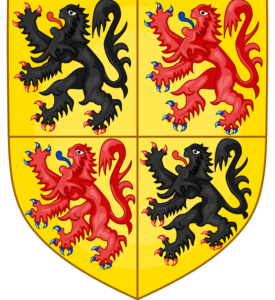
The Country of the Two Rivers
The duke can grant an office in Mons, but he cannot make every lord on the Sambre accept it. Across Hainaut, wagons follow narrow tracks between fortified estates. Merchants depend on the valleys of the Haine and Sambre, while town councils weigh their own privileges against orders from the Burgundian court.
Philip the Good is the count, yet the county preserves local traditions of consultation and law. A sealed deed from Brussels may mean little to a tenant whose family has paid its dues to a different authority for three generations. The same question can arise over an old temple’s protection or a river spirit’s boundary.
What Is Happening Right Now?
The Count’s Officers Audit the Estates
Philip’s stewards seek clearer records of tolls and land grants. A missing series of charters means two wealthy families now owe the same tax revenues to rival courts.
Merchants Take the Long Way Around
Reports of robber bands and armed quarrels have made one crossing unsafe. Some traders are diverted toward Namur, others toward Flanders. Caravan leaders ask for escorts, and local captains see a chance to charge new fees.
Old Gods and New Oaths
One district’s sacred house offers sanctuary to fugitives, while a neighbouring lord claims the refuge was never legally recognised. Town elders want a peaceful settlement before armed retainers violate the precinct.
Places and People
Mons
County courts, town magistrates, markets and temples share influence in the chief town. A lord who wants a disputed seal recognised must find witnesses capable of defending it in public.
Valenciennes
Merchants, craftsmen and civic councils guard profitable river and road links. Contracts witnessed here may not automatically carry the same authority in Mons.
Binche and Ath
Fortified towns and estates provide important routes through the county. Noble households and guild officers compete for access to couriers, markets and defensive resources.
Philip the Good is the principal ruler. Gilles Binchois, a musician associated with the Burgundian court, is a useful link between patrons, feasts and political intelligence. Local temple custodians, human merchants and dwarven metalworkers have different interests; no people is treated as one unanimous political faction.
Adventure Hooks
- The Double Grant. Two families hold genuine deeds to the same stretch of riverbank.
- The Composer’s Letter. A sealed message concealed among musicians’ papers implicates an officer at court.
- Peace at the Temple Gate. A sacred refuge has promised safety to a man the count’s bailiff wants arrested.
- The Lost Road Dues. A bridge keeper vanishes after refusing to collect a new levy.
Travel, History and Sources
Hainaut includes several courts and estates, so a visitor should establish whose seal carries force on the next road. Travellers need safe ferries, local witnesses and an understanding of temple immunities.
The historical territories of Hainaut passed to Philip the Good alongside Holland and Zeeland in 1433. Charleroi’s fortress dates only to 1666, and Mons’s later monumental belfry and modern attractions are not present in their familiar forms. Wallonia’s chronology of Charleroi documents the later foundation. In-world temple traditions and supernatural events are campaign lore.
Related Lands
Keep this reference growing
If this page helped with your reading or game, you can support its upkeep or explore the curated books.
Explore the Bookshop — epics, classics and stories behind imagined worlds.