
Paradise Lost
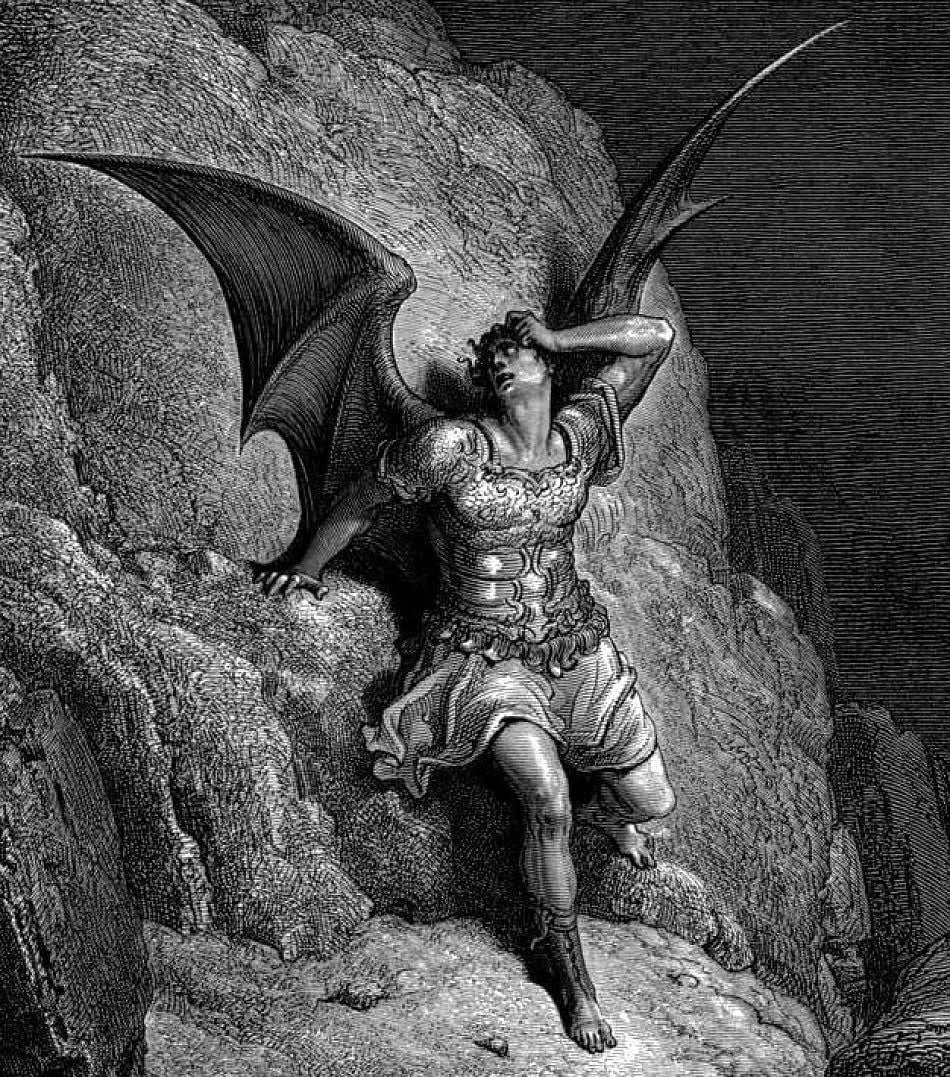
John Milton’s Paradise Lost turns the fall of Adam and Eve into an epic of rebellion, temptation and human choice. Its stage stretches from Heaven through Hell and Chaos to the Garden of Eden, yet its most difficult conflicts are intimate: pride, trust, love and the decision to disobey.
At a Glance
- Author: John Milton
- Form: Epic poem in blank verse
- First published: 1667 in ten books; the 1674 edition is arranged in twelve
- Principal settings: Heaven, Hell, Chaos and Eden
- Central conflict: The rebellion of Satan and the temptation and fall of humankind
The Story
The poem opens after Satan and his followers have been cast from Heaven. They gather in Hell, debate their defeat and turn towards the newly created human world. Satan makes his way across Chaos to Eden. Adam and Eve receive warnings, but temptation enters the garden, and their decisions alter their lives and the world beyond it.
Milton moves across time as characters recount the war in Heaven, creation and the future consequences of the fall. The poem’s vast scale never lets the reader forget the two people at its centre. Adam and Eve are loving, proud, vulnerable and capable of choosing; their separation and reconciliation give the cosmic story its human force.
Why It Matters
Satan’s speeches have the force of heroic rhetoric, but the poem asks readers to examine what his language conceals. Ambition can sound like liberty even when it demands dominion over others. Milton’s epic therefore rewards close attention to speakers, motives and the distance between what characters claim and what they do.
The long sentences and biblical allusions can be demanding. Book I establishes the fallen angels’ voice and their new realm; the Eden books bring Adam and Eve into focus; the final books face loss while keeping a path towards hope. Read alongside earlier epics, Paradise Lost transforms inherited poetic scale into an argument about freedom, obedience and responsibility.
Further Viewing
Read Further
Compare Milton’s epic journey with Virgil’s Aeneid and Dante’s Divine Comedy. Return to Books, Comics & Graphic Novels for the wider library.
Read the Poem
Ad – affiliate link. If you buy through the Bookshop.org link below, the site can earn a commission at no extra cost to you.
Paradise Lost — John Leonard’s edited Penguin Classics edition at Bookshop.org.
Sources: The Poetry Foundation introduction explains the editions and context; its text of Book I offers a place to begin reading.
Keep this reference growing
If this page helped with your reading or game, you can support its upkeep or explore the curated books.
Explore the Bookshop — epics, classics and stories behind imagined worlds.