
Armor Class
Combat rules · Defences · Character creation
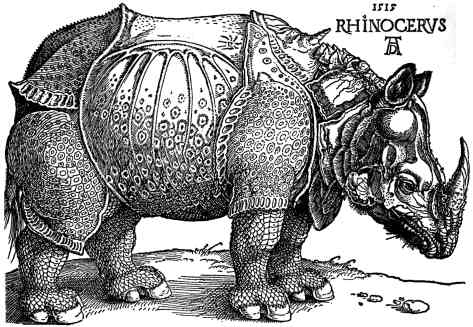
Your Armor Class (AC) represents how hard it is for opponents to land a solid, damaging blow on you. It’s the attack roll result that an opponent needs to achieve to hit you.
Your AC is equal to the following:
Armor Class at a Glance
Armor Class (AC) is the target number an attack roll must meet or exceed to hit. The right calculation depends on your game’s edition, equipped armour and shield, and any features or magical effects that explicitly change AC.
| Rules | How to begin |
|---|---|
| D&D 2024 | 10 + Dexterity modifier without armour; use the equipped armour’s AC calculation when worn |
| D&D 2014 | 10 + Dexterity modifier without armour; use the equipped armour’s AC calculation when worn |
| Pathfinder 1e | 10 + armour bonus + shield bonus + Dexterity modifier + size modifier and other applicable bonuses |
| D&D 3.5e | 10 + armour bonus + shield bonus + Dexterity modifier + size modifier and other applicable bonuses |
Armor Class by Edition
Armor Class — D&D 2024
Unarmoured: AC = 10 + Dexterity modifier unless another feature supplies a base AC calculation. Armour supplies the AC formula in its equipment entry; use only one base calculation. A trained shield user adds +2 AC when wielding a Shield. Light armour commonly adds full Dexterity, medium armour caps its addition, and heavy armour gives a fixed AC.
Example: Dexterity 14 (+2) in a Chain Shirt has AC 15 (13 + 2). With a Shield and Shield Training, the character has AC 17.
Training matters: Wearing armour without its training imposes Disadvantage on Strength- or Dexterity-based D20 Tests and prevents spellcasting; a shield without training grants no AC bonus. Strength requirements and Stealth consequences belong to each armour entry.
Armor Class — D&D 2014
Unarmoured: AC = 10 + Dexterity modifier. Armour determines a different calculation, such as Leather 11 + Dexterity or Chain Mail 16. A shield normally adds +2 AC. A class feature or spell giving an alternative base AC does not stack with another base calculation; use the one that applies.
Example: Dexterity 14 (+2), Chain Shirt and Shield yield AC 17. A heavily armoured character can have a fixed AC without adding any Dexterity bonus.
Proficiency matters: Without the required armour proficiency, the character suffers the edition’s nonproficiency restrictions and cannot cast spells while wearing that armour.
Armor Class — Pathfinder 1e
Normal AC: 10 + armour bonus + shield bonus + Dexterity modifier + size modifier + other applicable modifiers. Armour can cap the positive Dexterity bonus. Natural armour, deflection and dodge bonuses may also apply according to their types and stacking rules.
Touch AC: excludes armour, shield and natural armour bonuses; Dexterity, size, deflection and other allowed bonuses remain. Flat-footed AC: normally removes a positive Dexterity bonus and dodge bonuses.
Example: Dexterity 16 (+3), Leather Armour (+2) and a Heavy Wooden Shield (+2) produce normal AC 17, touch AC 13 and flat-footed AC 14 before other modifiers.
Armor Class — D&D 3.5e
Normal AC: 10 + armour bonus + shield bonus + Dexterity modifier + size modifier + other modifiers. The exact bonus types and stacking rules govern additions from protective spells and magic items.
Touch AC: ignores armour, shield and natural armour bonuses, but keeps allowable Dexterity, size, deflection and dodge bonuses. Flat-footed AC: normally excludes a positive Dexterity bonus and dodge bonuses.
Example: Dexterity 16 (+3), Leather Armour (+2) and a Heavy Wooden Shield (+2) produce normal AC 17, touch AC 13 and flat-footed AC 14 before other modifiers.
Before You Roll an Attack
- Choose the appropriate rules edition.
- Equip armour and shield that the character actually has and can use.
- Apply the edition’s AC calculation, Dexterity limit and any qualifying class or magical features.
- Check special situations such as cover, touch attacks or being flat-footed only when those rules exist in that edition.
Related references: Armour and Shields · Starting Equipment · Weapons.
Keep this reference growing
If this page helped with your reading or game, you can support its upkeep or explore the curated books.
Explore the Bookshop — epics, classics and stories behind imagined worlds.