
Wickrath — The Guelders Border Lordship
Lordship of Wickrath
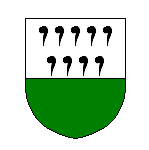
- Coat of Arms/Flag
- The heraldic arms of the Broichhausen family, held by the current lords of Wickrath.
- The family’s emblem is shown beside this entry; its authority comes through inherited local rights and the feudal relationship with Guelders.
- Capital City
- Wickrath
- A small settlement clustered around Wickrath Castle, the administrative and noble seat.
- Other Settlements
- Scattered hamlets and villages in the surrounding countryside.
- Primarily agrarian communities supporting the castle and estate.
- Languages
- Middle High German (local dialect of the Lower Rhine/Franconian variety).
- Latin used in official and ecclesiastical documents.
- Religion(s)
- Local household, civic, rural, court and ancestral traditions
- The town’s sacred precincts honour local household, ancestral and protective deities and preserve land charters.
- Government
- Feudal lordship held as a fief of Guelders; its castle court governs daily life, but the lordship is not free of superior feudal claims.
- Administered directly from Wickrath Castle.
- Legislature
- No formal legislature.
- Local justice and governance handled by the lord’s court and stewards.
- Local customary law regulates village obligations, while claims from Guelders can become decisive in disputed inheritances or military levies.
- Current Ruler
- Wickrath is held by the Lords of Broichhausen, who defend hereditary castle rights and their Guelders feudal relationship.
- The head of the Broichhausen household is the lord, supported by estate stewards, a castle captain and town witnesses.
- Other Notable Residents
- Castle stewards and reeves (manage lands and revenues).
- Temple steward and keepers of the local gods, who witness oaths and protect sacred records.
- Minor knights and retainers serving the lord.
- Guild representatives from the small artisan community (miller, smith, etc.).
The castle and its villages follow the Broichhausen lords. Their court holds charters that neighbouring Jülich officers and Guelders representatives may interpret differently; local families and priests of the old gods refuse to surrender those rights without a hearing.
What Is Happening Right Now?
The Lord’s Feudal Oath
A messenger from Arnold of Egmont demands an inventory of Wickrath’s armed tenants. The Broichhausen castellan refuses until an older agreement is produced. Jülich’s officers watch closely; a weakened neighbouring lordship can become a useful ally.
A Hompesch Knight at the Gate
A knight of the Hompesch household offers protection to villagers and asks to inspect the castle’s deeds. The ruling family suspects he is gathering evidence for a rival claim. His offer appeals to merchants tired of paying tolls to soldiers from two territories.
The Guelders Road
Packhorse merchants and halfling carriers travel past the outlying Schwanenberg lands toward other markets. The road crosses the rights of several lords; a ducal permit can be genuine and still leave its bearer liable for another toll at Wickrath’s bridge.
Places, Gods and Adventures
Wickrath Castle holds the lordship’s deeds and a defended court. The settlement’s smiths, millers and drovers need reliable access to market. Roads lead toward Jülich and Myllendonk; both jurisdictions can draw travellers into disputes. Temple stewards preserve water oaths made before the current family held the castle.
- The Missing Feudal Charter. The duke’s envoy has one version of an oath, the castle another, and neither will allow the witness to leave.
- Hompesch’s Proposal. A knight promises repairs to a flooded road in return for rights the ruling family cannot grant.
- The Water-Crossing Keeper. A ferryman vanishes after refusing both a noble toll and an offering demanded by an old river spirit.
Related Lands
Guelders · Jülich · Myllendonk
Keep this reference growing
If this page helped with your reading or game, you can support its upkeep or explore the curated books.
Explore the Bookshop — epics, classics and stories behind imagined worlds.