
Brakel — Hanseatic Roads of Paderborn
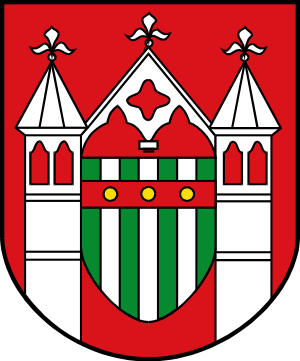
- Realm: Chartered trading town of the Prince-Bishopric of Paderborn, not an independent Free Imperial City.
- Location: Westphalian Nethegau, between the Egge Hills and Weser basin, where two ancient land roads cross.
- Standing: A town with its own market and court rights beneath the temporal authority of Paderborn’s prince; a Hanseatic associate trading through Paderborn’s city network.
- Origins: First mentioned in 836 as villa Brechal; a local lordly family and emerging civic rights are known from the twelfth century onward.
- Landmarks: The market and town hall, two principal trading streets, defensive walls and gates, craft halls, and the ancient sacred precinct.
- Trade: Cloth, grain, livestock, leather, shoes, carts and goods passing toward the Weser and Baltic markets.
- Guilds: Merchants, cobblers and leather workers, bakers and other craftsmen whose associations maintain standards and take part in civic disputes.
- Condition: The fourteenth-century commercial boom is easing; debts and road expenses trouble the town’s merchants and workshops.
Brakel stands where old Westphalian roads cross, far enough from the Weser to need a well-run caravan service and near enough to profit from the river trade. Its merchants know the routes through Paderborn to the Rhine towns and north to Baltic markets. The town has its own court and market traditions, yet it belongs to the prince of Paderborn. Its guild elders do not mistake the right to trade through the Hanse for a right to ignore their territorial lord.
The Roads through the Nethegau
The two main trading streets meet beside the market. On busy mornings carts from the farms arrive with grain, cheeses and hides while merchants unload bundles of woollen cloth and leather. The road known as the Hellweg carries travellers across Westphalia. Carters find lodging, wheelwrights and fodder in Brakel, where a team can rest before the next crossing of the Egge country.
Brakel has flourished by offering strangers a place where bargains can be witnessed, debts enforced and goods weighed. It belongs to the same commercial world as Paderborn and Warburg, and goods bearing its merchants’ marks have travelled all the way to the Baltic. The market is less prosperous than its fathers remember, however. A missed payment by one long-distance partner can leave three workshops short of coin before winter.
The Town that Is Not an Imperial City
Brakel’s privileges do not make it sovereign. The prince of Paderborn retains overarching territorial authority, while the town magistrates exercise rights earned by charters and custom. In the towns of the prince’s lands, Brakel has long ranked with Paderborn and Warburg for trade and administration. Its role in the Hanse is likewise connected to Paderborn rather than to an independent imperial vote.
In 1385 the territorial ruler confirmed important market liberties. Those charters still shape what a seller may demand for a stall, when tolls are payable and how disputes pass before local judges. A visitor armed with a letter from a Hanseatic port will find friends among the merchants, but the letter will not command the prince’s bailiff to open a locked warehouse.
Guilds, Leather and the Changing Trade
The merchants’ guild has guarded access to distant markets since before the present generation was born. Shoemakers and tanners run a separate craft organisation, and the bakers watch their own weights and ovens. A guild member who breaks rules might find a fine waiting when he returns from a fair, regardless of whether his foreign buyer was pleased with the goods.
Brakel’s oldest sacred houses and household rites remain woven into these associations. At the guild feast, apprentices swear before witnesses to work honest leather, and traders make offerings for safe passage before leaving on the Hellweg. Customs differ between families; people sharing the same street need not share every divine patron. The immediate value of these ceremonies is that fellow craftsmen know who promised what.
What Is Happening Right Now?
A pack of freshly minted silver coins has reached the Brakel market bearing a local merchant’s mark, but several are cut from older foreign pieces. The coin examiner is convinced someone is clipping payments before they reach the guild halls. The suspected trader has documents for every sack of coins; the smith who usually checks the scales has disappeared on a journey toward the Weser. The truth may lie with a caravan guard who remembers an unexplained stop at a roadside forge.
At the town’s spring market an ageing leatherworker has opened his shop to his widowed daughter, who can finish the family’s outstanding orders. Some competitors say she must pay a fresh entrance fee to the guild; others remember a clause that lets a member’s widow continue the business. The guild’s record chest can settle it if anyone can find the right folio, but the apprentices are already buying hides for the new season.
Travelling through Brakel
Carters and merchants can find repaired harness, lodging, bread and market news here. The roads toward Paderborn, Warburg and the Weser carry trade through the year, but wet ground in the valleys can delay heavy wagons. Travellers who wish to negotiate tolls or arrange reliable escort should approach the merchant houses early. Those seeking an audience with the territorial prince will need help from the town’s older families or a letter carried onward to Paderborn.
Historical Sources
Stadt Brakel — Town History; Stadt Brakel — Hanseatic Trade and Paderborn Status; Stadt Brakel — Municipal Archive.
Keep this reference growing
If this page helped with your reading or game, you can support its upkeep or explore the curated books.
Explore the Bookshop — epics, classics and stories behind imagined worlds.