
Dwarf Witch Tradition — Xothia and Solitary Craft
Dwarf Witches are rare practitioners whose craft often develops outside ordinary clan expectations. The Xothia tradition preserves the old image of the isolated dwarven Witch as keeper of hidden lore, divination and difficult truths.
Choose a Dwarf Witch If…
- You want Witchcraft to sit beside deep clan history, craft traditions and guarded lore.
- You like the idea of a practitioner who knows things a community may need even when it distrusts how that knowledge was gained.
- You want the Xothia as a secretive dwarven Witch school rather than a rule for every dwarf who becomes a Witch.
At a Glance
| Best traditions | Eclectic, Family, Classical, Craft of the Wise or a local dwarven school. |
|---|---|
| Strong themes | Hidden lore, clan duty, divination, craft, old grudges and difficult truths. |
| Legacy archetype | Xothia — a dwarven Witch school associated with sages and secluded covens. |
| 5.5e use | Use normal dwarf ancestry rules and choose any 5.5e Witch Tradition appropriate to the character. |
What it feels like to play: a dwarf Witch works best when clan, craft and occult knowledge pull in different directions. You may be the person everyone mistrusts until the mine collapses, the old seal breaks or the dead king starts speaking again.
Legacy cultural note
The material below preserves a d20-era dwarven Witch adaptation. It describes one tradition among dwarves rather than fixed ancestry, alignment, sex or personality rules.
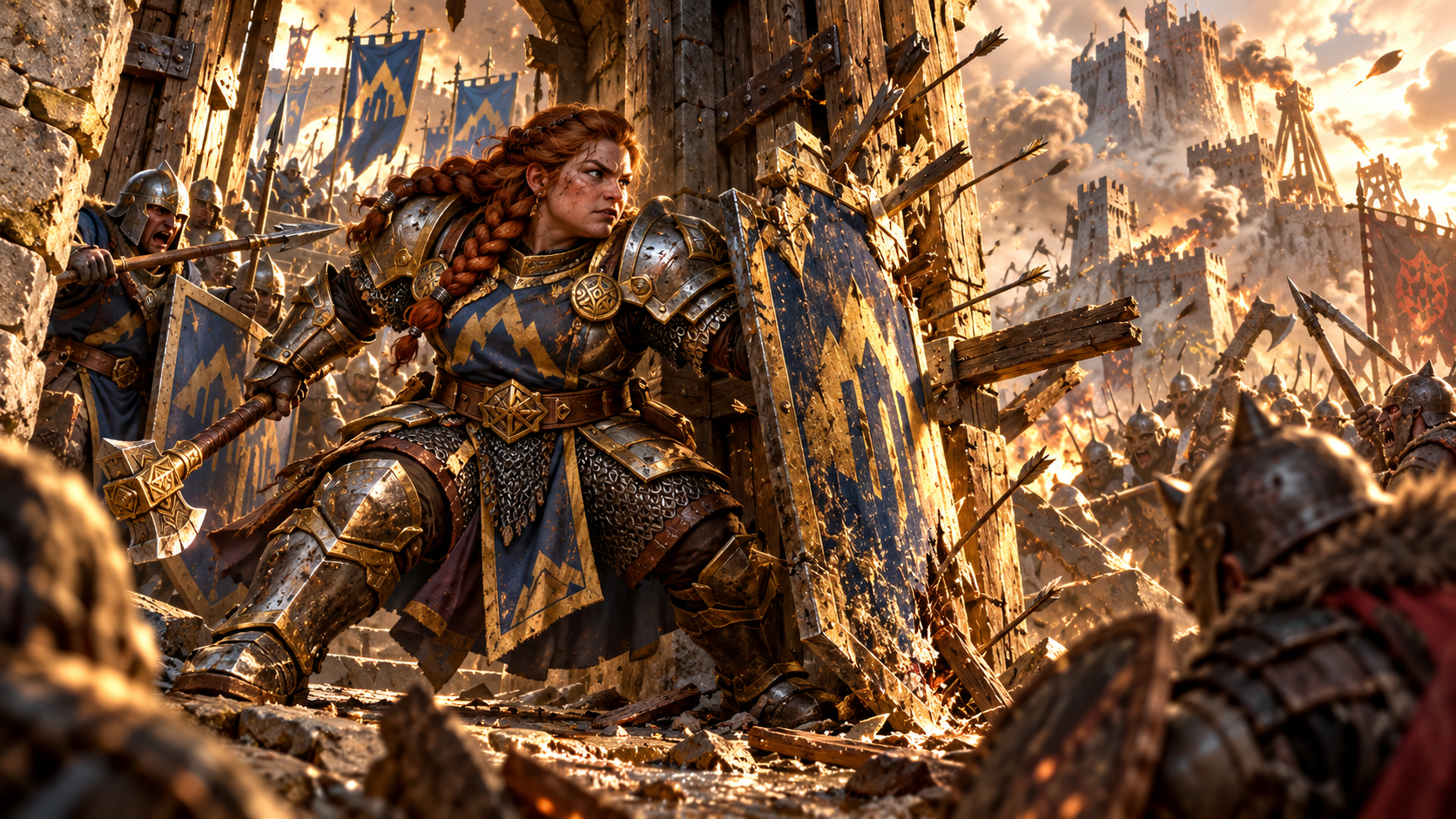
The dwarven witch feels isolation from her normal community due the distrust of arcane magic among dwarves. This distrust seems to date back in time to the first recorded appearance of dwarven witches, a coincidence that seems too strong to ignore.
Liber Mysterium
The Netbook of Witches and Warlocks
By Timothy S. Brannan and The Netbook of Witches and Warlocks Team
In dwarven society, men and women are regarded as equals. The dwarven witch is seen as contrary to this established reality. Most dwarven witches feel deep fear when they first hear the call and either leave their communities or try to suppress what they now know and feel. Dwarven witches become Solitaries, learning their art and faith directly from the Mother of dwarves herself.
While some find content with this life, others are constantly reminded that they will never truly belong, either as a dwarf or as a witch. Dwarven witches are the rarest form of witch one will encounter.
Preferred Traditions: Dwarven witches tend to be Eclectic due their unconventional training. Any witch with family members who are also witches can belong to a Family Tradition. All other Traditions are nearly unheard of.
Preferred Covens: Dwarf witches tend to be Solitaries even if they belong to a Family Tradition.
Racial Perks: Very few. High Constitution is a bonus regardless of calling.
Legacy drawback: The original write-up gives dwarven Witches a heavy social stigma and describes many Xothia as non-lawful. Treat that as a feature of this tradition’s history and organisation, not as a fixed personality rule for dwarven characters.
Legacy Archetype, Xothia: The Xothia (“Zoethee-ah”) is a secretive dwarven Witch school whose senior members act as repositories of clan lore, divination and difficult magical knowledge. Some old Xothia covens were women-only and developed distinctive grooming or dress customs, but those are individual coven traditions rather than requirements of dwarven Witchcraft. The senior Witch of a Xothia coven may also bear the title Xothia and serve as adviser to clan leaders.
The Xothia lives apart from the main community of dwarves, where she and her coven can use magic to scry and record all that needs to be known. Often such answers cannot be gathered by magic and the Xothia witch must travel the world in Search of them. A full coven of Xothia is nine witches, eight members and the Xothia. Their manner and style of clothing have often been described as “elf-like,” not in insult, but as a means for the common dwarf to label what she does not know. The ritual tools of the Xothia are the “Labrys” or small double bladed axe, and the “Malleus” or hammer. The labrys may be wielded with one hand. It has two semi-circular blades on either side that would make a circle if they were joined. The labrys has a small knob on top of the shaft located between the two blades. Xothia must be of any non-lawful alignment. Evil Xothia are nearly unheard of.
Keep this reference growing
If this page helped with your reading or game, you can support its upkeep or explore the curated books.
Explore the Bookshop — epics, classics and stories behind imagined worlds.