
Druid: Ollave
Ollave (Ollamh)
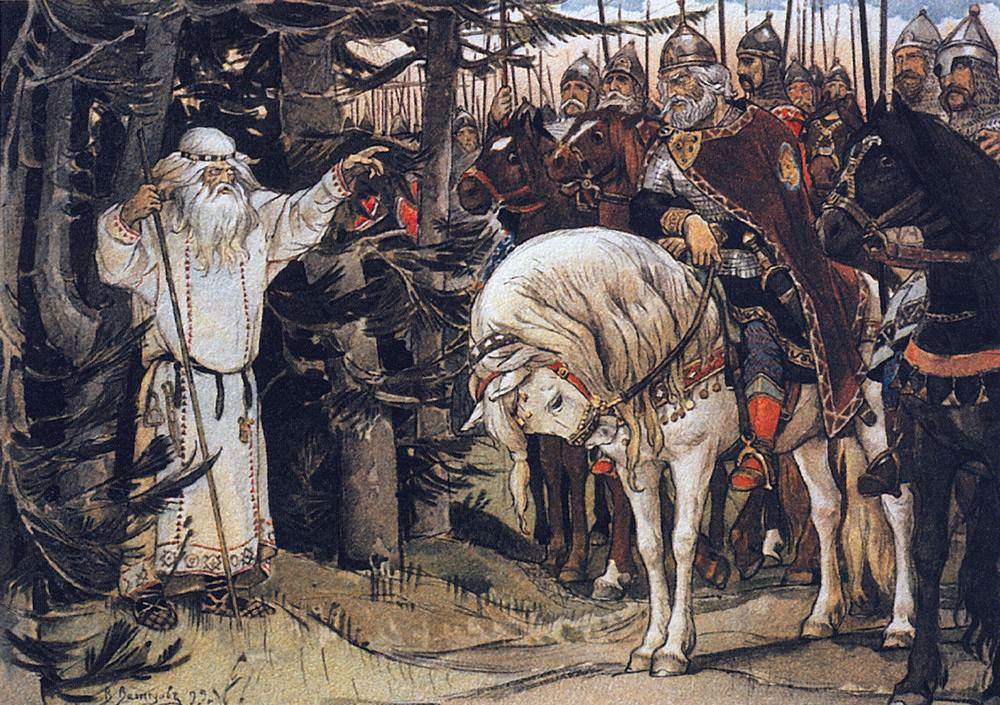
Ollamh is a grade of mastery, not an ecclesiastical office. This older-rules druid option represents an ollamh who voluntarily accepts a public custodial role within a clan, sacred college or local community.
The Quintessential Druid
Author Robin O. Duke
Series The Quintessential Series
Publisher Mongoose Publishing
Publish date 2002
In the wider learned tradition, ollamh is the highest recognised grade of mastery used by senior druids, filí and other exceptional learned figures. It brings honour, precedence and trust, but not automatic command over lower-ranked members of another household, tribe or college. See the Druidic Hierarchy for the full sequence of grades.
This specialist option represents a druidic ollamh who has chosen to become unusually involved in public life. Instead of spending nearly all of their time in wild places or private study, they advise rulers, keep a sacred site, receive petitioners, interpret geasa, teach students and accept responsibility for a particular community or ritual circuit.
Benefits: The ollave gains the respect and access that come with recognised public service. Knowledge (religion) is treated as a class skill for this older-rules option. In play, the character also has a defined network of petitioners, students, allied learned figures and local obligations that the Games Master can use as contacts and adventure hooks.
Responsibilities: Public standing costs time and freedom. The ollave is expected to answer serious petitions, protect entrusted sacred places, teach or examine students, uphold accepted judgements and respond when the community’s ritual obligations are threatened. These duties can interfere with travel and solitary wilderness practice. They do not make the ollave a priestly superior, and they do not create a church-like chain of command.
Using the title: In Ireland, an ollamh may be a druid, fili, brehon, physician or other master of a recognised learned discipline. The Druid: Ollave page is therefore one mechanical expression of the title, not its universal definition.
Keep this reference growing
If this page helped with your reading or game, you can support its upkeep or explore the curated books.
Explore the Bookshop — epics, classics and stories behind imagined worlds.