This site is games | books | films

Illusion Cantrip · Mobile Light · Magical Misdirection

Dancing Lights

Four Lights Moving Through the Dark

Create wandering lanterns, floating orbs or a dim humanlike figure that can illuminate distant ground, mark a route, signal allies or make observers look in the wrong direction.

Dancing Lights creates mobile magical illumination. Its lights can be positioned away from the caster, moved through open terrain and arranged to resemble lanterns, strange orbs or a distant humanoid presence.

The spell is not an attack and does not compel belief. It does not deal damage, blind creatures, reveal invisible enemies or create a solid body. Its value comes from range, movement, placement and the uncertainty produced when a light appears without a visible bearer.

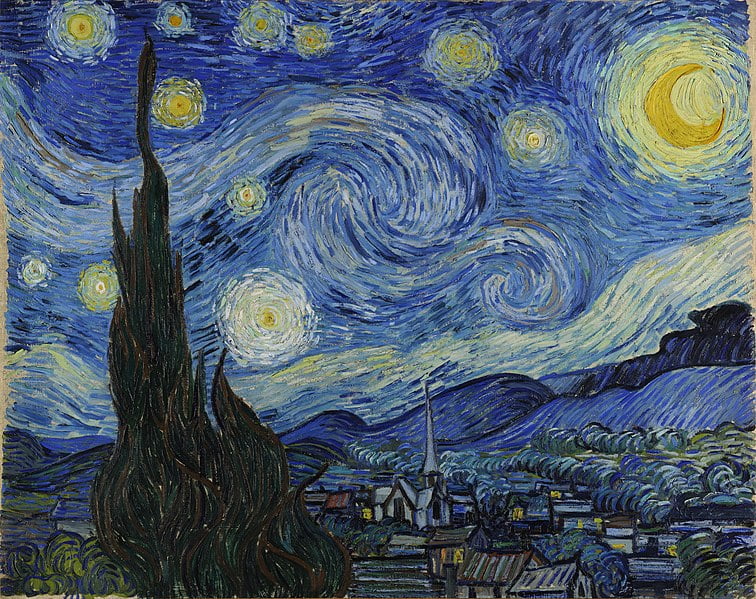
Dancing Lights spell represented by bright yellow lights moving through a deep blue night sky above a dark village.
Vincent van Gogh, The Starry Night (1889). Public domain.

Quick Rules Reference

The spell’s central idea remains consistent, but its school, range, movement, light output, concentration and permanency rules differ sharply between editions.

Primary role Mobile illumination, scouting, signalling, route marking and visual misdirection.
Created forms Up to four lights, or one vaguely humanlike form created from the combined lights.
Direct offence No damage, attack roll, saving throw, dazzling effect or automatic fear effect.
Physical force No stated weight, solidity, carrying capacity or ability to manipulate objects.
Key counters Concentration loss, magical darkness, range restrictions and Dispel Magic.
Keep the editions separate: D&D 5.5e/2024 requires Concentration and a Bonus Action to move the lights. Pathfinder 1e and D&D 3.5e use a fixed 1-minute duration, require no concentration and permit movement of up to 100 feet per round.

Edition-Separated Mechanics

Select the rules used by the campaign. Do not combine terminology, actions, ranges, active-casting limits or permanency costs between editions.

D&D 5.5e / 2024-Compatible Rules

Dancing Lights

Level and school
Illusion cantrip
Casting time
1 Action
Range
120 feet
Components
V, S, M
Material
A bit of phosphorus
Duration
Concentration, up to 1 minute
Attack or save
None
Spell lists
Bard, Sorcerer, Wizard

Effect

You create up to four torch-sized lights within range. They can resemble torches, lanterns or glowing orbs and hover for the duration.

Instead of separate lights, you can combine all four into one glowing Medium form with a vaguely humanlike appearance.

Each light sheds Dim Light in a 10-foot radius. The combined humanoid form is treated as the spell’s single visible formation and provides the spell’s stated Dim Light.

As a Bonus Action, you can move the lights up to 60 feet to a space within range. Every separate light must remain within 20 feet of another light created by the same casting. A light vanishes if it exceeds the spell’s 120-foot range.

Movement and Formation

  • The same Bonus Action directs the spell’s lights. The spell does not require a separate Bonus Action for each light.
  • The lights can form a chain. Each light needs at least one other light within 20 feet, but all four do not need to occupy one tight cluster.
  • The destination must remain within the spell’s range after movement.
  • A light that exceeds the range vanishes. The remaining lights continue if they still form a legal arrangement.
  • The movement option is available whenever the caster can take a Bonus Action, including the turn on which the spell is cast.
Rules clarification — one separate light: The spell permits “up to four” lights but also says that a light must remain near another light. The text does not resolve a solitary light cleanly. The safest literal ruling is to create at least two separate lights, use all four, or choose the combined humanoid form.
Rules clarification — changing forms: The form is chosen when the spell is cast, and the spell provides no action for changing between separate lights and the humanoid form. Allowing a mid-casting transformation is a house ruling.

Light Output

  • The spell creates Dim Light rather than Bright Light.
  • Overlapping Dim Light areas increase coverage but do not automatically become Bright Light.
  • For stronger dependable illumination, compare the spell with Light.
  • The lights do not blind, dazzle, burn, frighten or impose a condition.
  • The lights do not reveal an invisible creature merely by illuminating its space.

Physical Limits

The spell gives the lights no creature statistics, weight, solidity or ability to manipulate the environment. They cannot carry equipment, open doors, trigger pressure plates, block movement, support weight, provide cover or occupy space as creatures.

Walls, Doors and Unseen Destinations

Practical table ruling: The lights should move through available open space rather than passing through solid walls or closed doors. Because the movement sentence does not require the destination to be visible, a DM can permit movement around a known corner or through an open doorway when the caster can identify a valid destination.

Concentration and Counters

  • The entire spell ends when the caster’s Concentration ends.
  • The spell competes with every other spell that requires Concentration.
  • If an area created by the 2024 Darkness spell overlaps the light, Darkness dispels the spell that created it.
  • Dispel Magic can target the ongoing magical effect and end it automatically because Dancing Lights is a cantrip.
  • Moving outside the spell’s range removes individual lights rather than causing them to follow the caster indefinitely.

Pathfinder First Edition Rules

Dancing Lights

School
Evocation [light]
Level
0-level spell
Casting time
1 standard action
Components
V, S
Range
Medium: 100 ft. + 10 ft./level
Effect
Up to four lights in one 10-ft.-radius area
Duration
1 minute (D)
Save and SR
None; Spell Resistance no

Class lists: arcanist 0, bard 0, magus 0, medium 0, mesmerist 0, occultist 0, psychic 0, shaman 0, skald 0, sorcerer 0, witch 0 and wizard 0.

Effect

You create up to four lights resembling lanterns or torches, up to four glowing spheres resembling will-o’-wisps, or one faintly glowing and vaguely humanoid shape.

The complete formation must remain inside a single 10-foot-radius area. The lights can move forward, backward, upward, downward, around turns and through other open routes as directed.

The lights move up to 100 feet per round. No concentration is required, and the spell lists no separate action cost for directing their movement.

A light winks out if its distance from the caster exceeds the spell’s current range.

Light Output

The selected torch or lantern forms provide the illumination normally associated with those light sources under Pathfinder rules. The glowing-orb and humanoid options remain limited by the spell’s description. Overlapping light does not ordinarily stack into a stronger category unless another rule specifically permits it.

One Active Casting

A caster can have only one non-permanent Dancing Lights spell active at a time. Casting it again dispels that caster’s previous active casting. A permanent version does not count against this limit.

Permanency

Dancing Lights can be made permanent on an object or area with Permanency. Pathfinder requires a minimum caster level of 9th and 2,500 gp of diamond dust.

The permanent spell remains vulnerable to Dispel Magic under the normal rules for permanent spells placed on objects or areas.

Light and Darkness

Because this is a 0-level spell with the [light] descriptor, higher-level [darkness] magic can counter or dispel it. Apply the exact interaction stated by the relevant Darkness spell.

Limits

  • The full formation must remain within one 10-foot-radius area.
  • The humanoid form is faint and vague rather than a detailed likeness.
  • The spell creates no sound, physical body, attack, saving throw, damage, blindness or fear effect.
  • It does not automatically reveal invisible creatures.
  • Spell Resistance does not apply.

Dungeons & Dragons 3.5e Rules

Dancing Lights

School
Evocation [Light]
Level
Bard 0, Sorcerer/Wizard 0
Casting time
1 standard action
Components
V, S
Range
Medium: 100 ft. + 10 ft./level
Effect
Up to four lights in one 10-ft.-radius area
Duration
1 minute (D)
Save and SR
None; Spell Resistance no

Effect

You create up to four lights resembling lanterns or torches, up to four glowing spheres resembling will-o’-wisps, or one faintly glowing and vaguely humanoid shape.

All created lights must remain within one 10-foot-radius area. The lights move as directed without concentration and can travel up to 100 feet per round.

They can move forward, backward, upward, downward, around turns and through other open routes. A light disappears if it exceeds the spell’s range from the caster.

Multiple Castings

The D&D 3.5e spell does not contain Pathfinder’s one-active-casting restriction. Separate castings can coexist, although identical light effects do not gain additional mechanical power merely by overlapping.

Permanency

Dancing Lights can be made permanent on an object or area with Permanency. The D&D 3.5e version requires a minimum caster level of 9th and an expenditure of 500 XP.

Do not replace the 3.5e XP cost with Pathfinder’s diamond-dust cost.

Light and Darkness

The [Light] descriptor makes the spell subject to D&D 3.5e interactions with Darkness and other spells that counter or dispel light magic of an equal or lower spell level.

Dispelling

The temporary or permanent spell effect can be targeted by Dispel Magic. A successful targeted dispel ends the relevant casting.

Limits

  • The lights remain one clustered spell effect even when four points are visible.
  • The spell requires no continued concentration.
  • The spell creates no damage, blindness, fear, physical force or automatic detection of invisible creatures.
  • The humanoid option is vague and does not automatically reproduce a particular person.
  • Spell Resistance does not apply.

How the Spell Works in Play

Dancing Lights trades raw brightness for placement. A normal lamp must be carried into danger. These lights can appear farther ahead, hover above a drop, move across a courtyard or wait beside a doorway while the caster remains somewhere less exposed.

The spell also creates uncertainty. A distant lantern ordinarily implies a traveller, guard or occupied building. Dancing Lights breaks that connection. The observer sees light but cannot be certain who created it, whether anyone carries it or whether it marks safety at all.

That uncertainty does not become automatic deception. An intelligent observer can question unnatural movement, investigate the area or recognise a familiar spell. Successful misdirection depends on distance, darkness, weather, terrain and how convincingly the caster moves the lights.

Best Uses for Dancing Lights

The spell is strongest when movement and uncertainty matter more than bright illumination.

Illuminate Distant Ground

Place light beside an unexplored doorway, bridge, ledge, pit, tunnel mouth or enemy position while the party remains farther back.

Mark a Safe Route

Arrange the lights along a ruin, mine, woodland trail or battlefield route so allies can follow a visible sequence of markers.

Signal Allies

Use prearranged numbers, movements or formations to communicate simple instructions such as advance, retreat, danger or rendezvous.

Suggest Travellers

Moving lanternlike lights can resemble a patrol, caravan or group of travellers when viewed at distance or through poor visibility.

Draw Attention Away

Move the lights towards one route while the party uses another. The spell cannot compel pursuit, but it can give observers a reason to look elsewhere.

Create a Ghostly Figure

The humanoid form can suggest a watcher, spirit or distant sentry when seen through fog, rain, foliage or broken architecture.

Tactics

Keep the Caster Outside the Light

Place the lights ahead or to one side of the party. This illuminates the useful area without turning the caster into the obvious centre of attention.

Use Height

A hovering light can illuminate the upper surface of a wall, roof, tree, ledge or elevated firing position. Height also makes a signal easier for distant allies to see.

Use Terrain to Make the Lie Believable

Lights that follow roads, pause at gates and turn through open passages are more convincing than lights that drift through solid barriers or move with perfect mechanical smoothness.

Move Like a Lantern Bearer

A light intended to resemble a carried lantern should vary slightly in height, slow at obstacles and follow a plausible walking route. Movement often matters more than appearance.

Remember the Verbal Component

The initial casting is not automatically discreet. Nearby observers may hear the caster or notice the gestures. Misdirection becomes safer once the existing lights have moved away from the casting point.

Protect Concentration in 2024 Play

The modern spell competes with more powerful Concentration options. Use it before combat, during exploration or when the tactical value of remote light outweighs another sustained spell.

Creative Uses and Adjudication

Simple Codes

Four lights can form arrows, lines, crosses, numbers or other simple prearranged signals. They cannot reproduce detailed writing, maps or animated illustrations.

False Numbers

Several moving lights can suggest several people carrying lanterns. This is most convincing when observers cannot see the supposed travellers clearly.

Temporary Navigation Marks

The lights can identify intersections, exits, hazards or rendezvous points. Duration and range prevent them from replacing permanent trail markers.

Testing Open Routes

A light can be sent along an open corridor or around a known turn to reveal visible terrain. It does not report what it sees, detect creatures or function as a remote sensory organ.

Creating an Omen

In a culture that recognises corpse candles, marsh lights or spirit lanterns, a carefully placed light may alarm witnesses. Any social effect comes from the witnesses’ beliefs rather than an inherent fear mechanic.

Ability checks: The spell creates its stated appearance automatically. A check becomes appropriate only when the caster tries to persuade someone that the lights are something they are not. Choose the ability and skill according to the method, audience and circumstances rather than applying a universal check.

Important Limitations

  • The spell does not create a creature.
  • The lights cannot attack or take actions.
  • They cannot speak, make footsteps or reproduce other sounds.
  • They cannot carry objects or interact physically with the environment.
  • They cannot provide cover or block movement.
  • They do not trigger traps solely by occupying a space.
  • They do not reveal invisible creatures automatically.
  • They do not remove concealment beyond the illumination they actually provide.
  • They do not force an observer to believe that a lantern, ghost or traveller is present.
  • The humanoid form remains vague rather than becoming a detailed duplicate of a person.

Dancing Lights Versus Light

Practical differences between two common illumination cantrips.
Feature Dancing Lights Light
Position Created remotely and moved through the environment. Normally attached to an object that must be carried or moved.
Coverage Several separate points or one vague humanoid form. One stable source centred on the affected object.
2024 brightness Dim Light in a 10-foot radius from each light. Better suited to dependable ordinary illumination.
2024 Concentration Required. Not normally required.
Misdirection Can resemble lanterns, orbs or a vague humanoid. Creates an illuminated object rather than moving independent lights.
Best role Scouting, signalling, placement and deception. Reliable travel, work and combat illumination.

Rules Questions

Can Dancing Lights damage or blind a creature?

No. The spell contains no damage roll, attack roll, saving throw or blinding effect.

Does Dancing Lights reveal invisible creatures?

No. Illumination does not remove invisibility. The light might expose tracks, disturbed dust, rain or other environmental evidence, but it does not directly reveal an invisible creature.

Can the lights pass through walls or closed doors?

The spell grants no ability to pass through solid matter. Older editions explicitly permit movement around corners, but that does not make the lights incorporeal. Use open passages, windows, doorways and other available routes.

Can the humanoid form impersonate a specific person?

Not by itself. It is vaguely humanlike and has no stated facial detail, clothing, voice, texture or physical substance. It may suggest a person at distance without becoming a convincing duplicate at close range.

Can the lights create detailed words or pictures?

No detailed images are provided by the spell. Four points can form simple symbols or prearranged codes but cannot reproduce complex writing, maps or animated scenes.

Can Dispel Magic end Dancing Lights?

Yes. Dancing Lights is an ongoing spell effect and can be targeted by Dispel Magic. Use the dispelling rules of the relevant edition.

What happens inside magical darkness?

Apply the wording of the relevant darkness effect. Stronger magical darkness can suppress, counter or dispel lower-level magical light. The 2024 Darkness spell dispels an overlapping light spell of 2nd level or lower.

Can Dancing Lights be made permanent?

Pathfinder 1e and D&D 3.5e expressly allow this through Permanency, using different costs. The standard D&D 5.5e/2024 spell has no general permanency option.

GM Guidance

Reward Convincing Placement

The spell becomes memorable when the player thinks about sightlines, distance, weather, architecture and how real people carry lights. Good placement should matter even when the spell provides no direct numerical bonus.

Let Intelligent Creatures Investigate

Experienced guards, spellcasters and creatures familiar with magic need not accept every moving light as genuine. They may wait, call for support, fire towards it, send a scout or watch the route from which it came.

Avoid Adding Free Conditions

Do not turn ordinary use of the spell into automatic blindness, fear, distraction or advantage. Such results require circumstances, successful deception or another rule that supports them.

Keep the Humanoid Form Vague

It can look like a distant figure or luminous presence. It should not replace a dedicated illusion spell capable of creating a detailed creature, voice or scene.

Use Darkness as a Real Counter

Magical darkness should matter. When edition rules say that darkness counters, dispels or suppresses lower-level light, apply that interaction consistently.

Dancing Lights in the World

The cantrip changes the meaning of light after dark. A moving lantern no longer proves that a traveller is present. Four lights on a hillside may indicate a patrol, a warning code, a magician or deliberate bait.

Miners and ruin-delvers use the spell to mark intersections, illuminate unstable ground and inspect passages without sending a person forward. Watchmen employ coded formations between towers. Couriers use moving lights to mark a rendezvous. Performers turn them into processional lanterns and ghostly figures.

Thieves, smugglers, scouts and raiders value the same qualities for darker purposes. Lights can suggest movement at the wrong gate, draw sentries towards an empty road or create the appearance of approaching reinforcements beyond a ridge.

Sailors and river pilots may use controlled lights as temporary markers. False beacons are treated harshly wherever ships depend on shore lights, because a harmless cantrip can become lethal when it directs a vessel towards rocks, shoals or hostile ground.

Folkloric danger: In communities familiar with marsh spirits, corpse candles or hostile wandering lights, the spell may cause panic. Its glowing spheres resemble the appearance associated with the Will-o’-Wisp, but the cantrip does not summon or control that creature.

Adventure Hooks

The False Harbour Lights

Merchant vessels are wrecking on the same reef after following lights that imitate the harbour signal. The culprit may be a smuggler, coastal magician or genuine will-o’-wisp.

Four Lights at the Gallows

Four pale orbs appear above an abandoned execution ground and travel towards a magistrate’s house. The formation is both a public omen and a private code.

The Lantern Patrol

Guards repeatedly abandon their posts to investigate lights moving along the outer wall. Someone is measuring their response before attempting a larger infiltration.

The Permanent Procession

Humanlike lights repeat the same journey through a sealed ruin. Their route preserves the final movements of the architect who hid the inner vault.

The Missing Surveyors

A mining crew follows its route-marking lights underground, only to discover that a second formation has appeared and quietly altered the path behind them.

The Corpse-Candle Accusation

A pale light travels from a sick noble’s home towards the cemetery. Rival heirs, frightened servants and a court magician all have reasons to manufacture the omen.

Historical and Occult Development

Before reliable street lighting, a distant lamp carried immediate social meaning. It might identify a road, inn, boat, watch post, household, procession or traveller. A light that moved without a visible bearer challenged ordinary expectations and suggested that an unseen intelligence was present.

Reports of wandering lights often gather around marshes, graveyards, moors, shorelines and isolated roads. Distant lanterns, reflections, atmospheric effects, bioluminescence and deliberate fraud can all contribute to such sightings. Folklore gives the uncertain light purpose: it guides, deceives, warns, predicts death or marks hidden treasure.

The Welsh tradition of the cannwyll corff, or corpse candle, describes mysterious moving lights interpreted as warnings of death or as spectral forerunners of a funeral procession. Museum Wales preserves recorded oral accounts in which witnesses describe corpse lights travelling towards a house or leaving the home of a person near death.

In occult practice, a controlled light can serve as a signal, ritual guide, boundary marker, omen or spirit-lamp. Dancing Lights turns that symbolic language into repeatable magic. The caster can deliberately create the signs that folklore treats as spontaneous and dangerous.

Mythological Parallels

Will-o’-the-Wisps

The spell’s floating-orb form resembles wandering lights associated with bogs, marshes and dangerous roads. Folklore commonly portrays these lights as elusive presences that retreat as travellers approach or lead them away from safe ground.

The resemblance is visual only. Dancing Lights does not summon or control an actual Will-o’-Wisp.

Corpse Candles

Pale lights associated with death, burial routes and coming misfortune appear throughout Welsh oral tradition. A spellcaster reproducing such a light could create a convincing omen without possessing any ability to predict death.

Fairy and Spirit Lights

Across many traditions, mysterious night lights are attributed to fairies, ghosts, wandering souls, hidden treasure or supernatural guardians. Some guide travellers; others lure them away from roads and into danger.

The False Beacon

A distant light promises safety while directing travellers towards peril. Stories of deceptive shore lights, marsh flames and wandering lanterns share this pattern. Dancing Lights reproduces the same danger on command.

PBS’s Will-o’-the-Wisp: Monstrous Flame or Scientific Phenomenon? provides an accessible overview of the folklore, recorded appearances and proposed natural explanations surrounding wandering lights.

Video Guides

These retained videos discuss the legacy fifth-edition version. Their tactical ideas remain useful, but rules should be checked against the current edition tab above.

Rules Sources and Licensing

Scroll to Top