
 Buy me a coffee
Spell, Minor Image, “Echoing Phantasm”
Minor Image, “Echoing Phantasm”
Minor Image 5e Conversion: Classic 3.5 Illusion Rebuilt for 2024 Play
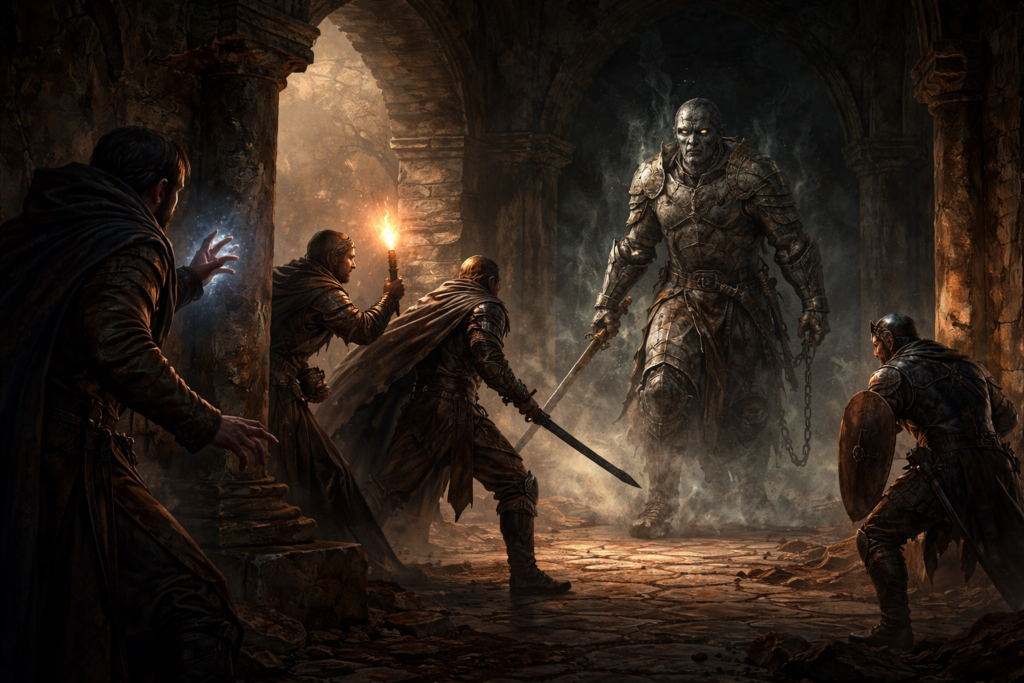
A false shape can mislead the eye, but a false shape with the right scrape, tread, rattle, or distant cry can command fear, halt pursuit, and make an illusion feel perilously close to life.
Minor Image 5.5
Minor Image 3.5
Minor Image
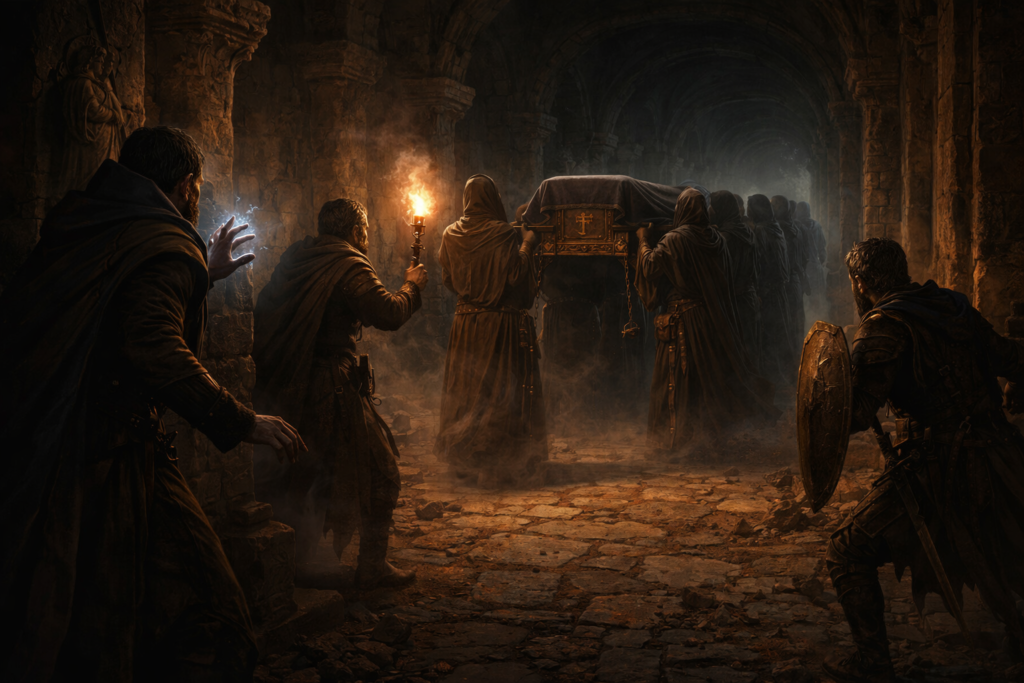
When silence would invite doubt, the smallest fitting sound can turn a visible lie into a convincing presence.
Alternative Name: Echoing Phantasm
2nd-Level Illusion
Casting Time: 1 action
Range: 60 feet
Components: V, S, M (a bit of fleece)
Duration: Concentration, up to 10 minutes
Available To: Bard, Sorcerer, Wizard
Effect: You create the image of an object, a creature, or another visible phenomenon within range that is no larger than a 15-foot Cube. The image appears at a spot you can see and lasts for the duration. As a Magic action on your later turns, you can move the image to another spot within range and alter its appearance so that its movements appear natural for the image.
The illusion also produces minor sounds appropriate to it, such as footsteps, rattling chains, creaking wood, scraping stone, rustling cloth, low growls, knocks, wingbeats, sobbing, or similar simple noises. These sounds can support the illusion, but they cannot form intelligible speech, sustained music, or any precise spoken message.
Physical interaction reveals the illusion, because things can pass through it. A creature that takes the Study action to examine the image can determine that it is an illusion with a successful Intelligence (Investigation) check against your spell save DC. If a creature discerns the illusion for what it is, the illusion becomes faint to that creature.
Overview
Minor Image is the missing middle step in the classic illusion ladder: more convincing than a purely silent visual deception, but still far short of a full sensory falsehood. Its strength is simple and elegant. It lets an illusion make just enough noise to feel inhabited.
That change is more powerful than it first appears. A false guardian that turns its head is useful. A false guardian that turns its head with a faint grind of stone is much harder to dismiss. A phantom beast is threatening; a phantom beast with claws clicking on flagstones is believable. Minor Image does not merely show something that is not there. It gives the lie a little weight.
This makes it a superb spell for dread, hesitation, and scene control. It thrives in ruins, tombs, corridors, vaults, shrines, keeps, and other places where sound travels badly, shadows conceal detail, and frightened people are ready to believe the worst.
Why Minor Image Matters
The spell’s role is clear: it sits between visual illusion and richer sensory deception. It does not compete with Minor Illusion, which is smaller and more surgical. It does not replace Silent Image, which remains the cleaner low-level visual-only deception. And it does not reach the breadth of Major Image, which belongs to stronger illusion magic.
What Minor Image offers is precision with presence. It gives the caster a way to create a false thing that feels active enough to change behavior. That makes it excellent for pursuit, ambush, infiltration, sacred dread, and defensive misdirection.
It also creates satisfying play because it rewards judgment. The illusion does not need to survive perfect scrutiny. It needs to win the first glance, the first listen, the first instinctive decision. That is often enough.
Best Uses
False Guardians
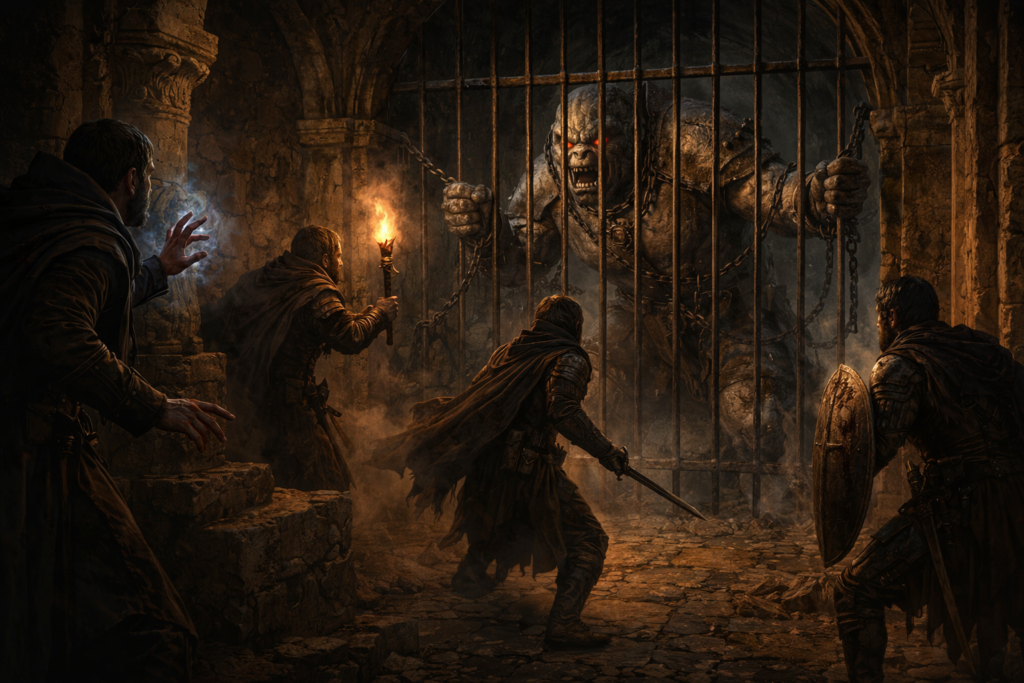
A tomb warden, stone saint, chained revenant, crouching beast, or armored sentry becomes far more persuasive when it seems to move and sound as though it belongs where it stands.
Occupied Spaces
Minor Image is excellent for making a place seem watched, haunted, active, or dangerous. A false patrol, acolyte, or lurking animal can make enemies hesitate before entering a space they would otherwise cross.
Pursuit and Delay
A phantom threat in a narrow hall, on a bridge, or at a doorway can force pursuers to slow, spread out, test the ground, raise shields, or reconsider the route ahead.
Ambush Preparation
The spell is ideal for fixing attention in the wrong place. A convincing illusion draws eyes and nerves toward itself while the real danger develops elsewhere.
Sacred and Haunted Pressure
Minor Image excels where fear is already present. In crypts, shrines, catacombs, towers, and desecrated halls, even a small supporting sound can make an illusion feel like awakened judgment.
Practical Tactics
Let Sound Confirm the Image
The best use of Minor Image is not loudness. It is agreement. The sound should reinforce what the target thinks it sees. A false wolf should sound like movement and breath, not theatrical noise. A false tomb guardian should creak, grind, or drag, not perform.
Keep the Sounds Simple
The spell is strongest when its sounds remain limited and suggestive. It should imply life, motion, danger, or presence without becoming a full performance. That preserves its niche and keeps stronger illusion magic meaningful.
Use It for First Reactions
This spell is at its best when creatures are forced to decide quickly. A guard on alert, looters in a crypt, soldiers in a corridor, or cultists entering a forbidden shrine are all more likely to trust a convincing first impression.
Match the Place
A false thing that belongs in the environment is always stronger than one that merely looks impressive. Build the illusion from the architecture, history, and fear of the place around it.
Move with Restraint
Slow, deliberate motion is often more convincing than frantic motion. A slight turn of the head, one dragging step, a shifting wing, or a chain pulled half taut can do more than exaggerated action.
Limits of the Spell
Minor Image is still a restrained illusion. It does not create smell, temperature, texture, force, or true substance. It does not speak clearly, hold conversation, sing precisely, or generate full sensory unreality. It remains a spell of supported appearance, not complete simulation.
It is also fragile under direct testing. Touch reveals the truth. Careful scrutiny weakens it. Creatures with time, courage, and reason to investigate are much harder to fool than creatures who are rushed, frightened, or already expecting danger.
That is not a flaw. It is the spell’s design. Minor Image succeeds because it sharpens uncertainty, not because it erases it.
DM Notes
Judge Minor Image by plausibility and pressure. If the image and its sound would reasonably alter a creature’s next decision, let it do so. If the illusion is out of place, overly dramatic, or given too much time under scrutiny, let suspicion rise naturally.
Different creatures should respond differently. A grave robber may recoil from a false saint-statue that seems to stir. A disciplined knight may halt and test. A fanatic may challenge it. An exhausted scout may simply choose another route. The spell becomes richer when reaction grows from character rather than from a flat binary ruling.
The key is to reward intelligent illusion play without letting the spell become full reality editing. Minor Image should feel clever, atmospheric, and dangerous, but still bounded.
Good Combinations
Silent Image: Use Silent Image when sight alone is enough; use Minor Image when the deception needs just enough sound to feel inhabited. Together they define a clear illusion progression.
Minor Illusion: A separate small sound or visual detail elsewhere can reinforce the larger falsehood and create multi-point confusion.
Fog Cloud: Obscurement makes uncertain forms and simple sounds much harder to verify.
Invisibility: An unseen caster can reposition and maintain pressure while enemies focus on the false threat.
Mage Hand: Distract enemies with the illusion while moving a real item, opening a latch, or creating a second layer of misdirection.
Stealth-focused parties: Rogues, scouts, infiltrators, ambushers, and escape artists gain enormous value from a spell that changes enemy choices before battle begins.
Adventure and Story Uses
Minor Image is a superb spell for mythic spaces. It belongs in tombs where the dead are feared, shrines where old powers are still honored, keeps where footsteps echo through abandoned halls, and vaults where a single false sound can turn greed into dread.
It is also a strong storytelling spell because its effects are human-sized. It does not flatten a scene beneath spectacle. It gives fear one confirming sound. It gives suspicion one visible shape. It gives a place one more reason to feel alive than it should.
That is why it lingers in memory. Not because it overwhelms the world, but because it makes the world’s existing tension answer back.
Minor Image
This material is Open Game Content, and is licensed for public use under the terms of the Open Game License v1.0a.
Illusion (Figment)
Level Bard 2, Sorcerer/Wizard 2
Duration Concentration +2 rounds
This spell functions like silent image, except that minor image includes some minor sounds but not understandable speech.