
 Buy me a coffee
North American Pantheon
Gods, spirits, tricksters, creator beings, animal powers, and sacred figures from the mythic traditions of North America.
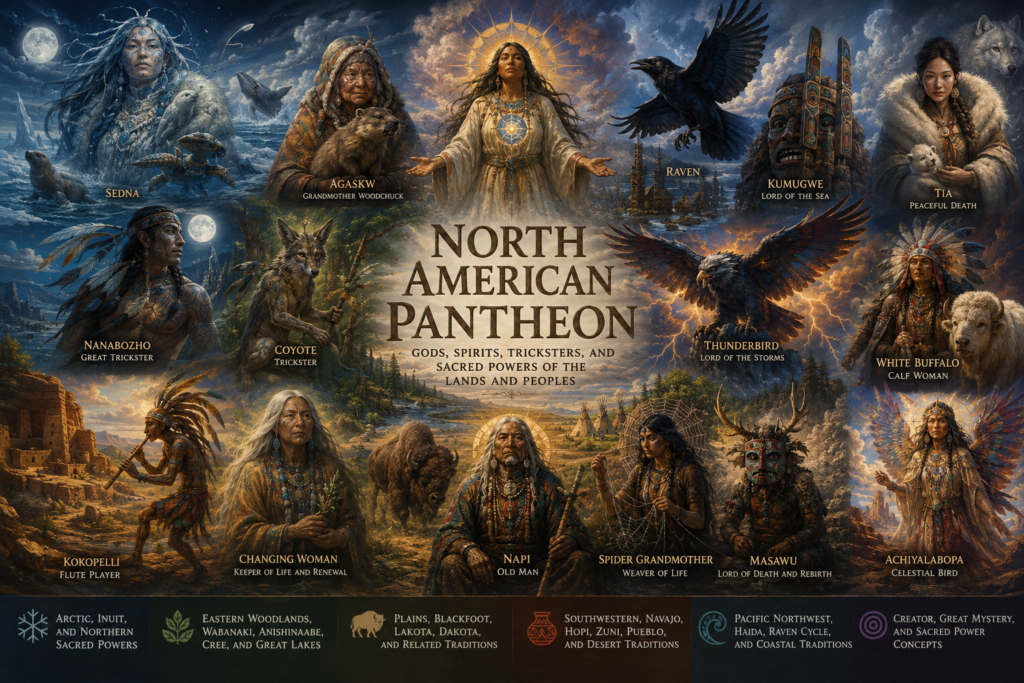
The North American Pantheon is a gateway to many different sacred stories and divine figures from across the continent. These traditions come from many peoples, landscapes, languages, and story-cycles, from Arctic sea powers and Plains sacred teachers to Pueblo celestial beings, Eastern Woodlands culture heroes, Pacific Northwest sea and death powers, and trickster spirits of forest, plain, and desert.
This page gathers those figures in one place so readers can explore them more easily. Some are creator beings, some are tricksters, some are animal powers, some are culture heroes, and some are spirits of weather, sea, land, household, death, or transformation.
Using This Hub
Use this page as a doorway into the individual entries below. The figures listed here do not all belong to one single divine family or temple hierarchy. Many are better understood through story, place, season, taboo, kinship, hunting, ceremony, or the relationship between human communities and the living world around them.
For fantasy gaming and worldbuilding, this makes the North American sacred landscape especially rich. A divine power may appear through a storm front, a winter coast, a buffalo trail, a desert spring, a cedar house, a raven’s bargain, a spider’s teaching, a sacred animal, or a story that must only be told at the proper time.
Explore by Region and Tradition
- Arctic, Inuit, and Northern Sacred Powers
- Eastern Woodlands, Wabanaki, Anishinaabe, Cree, Northeastern, and Great Lakes Figures
- Plains, Blackfoot, Lakota, Dakota, and Related Sacred Figures
- Southwestern, Navajo, Hopi, Zuni, Pueblo, and Desert Traditions
- Pacific Northwest, Haida, Raven Cycle, and Coastal Traditions
- Creator, Great Mystery, and Sacred Power Concepts
Major Figures and Sacred Powers
The entries below should retain their individual page links. Where possible, each entry should identify the figure’s own tradition, region, and mythic role.
Arctic, Inuit, and Northern Sacred Powers
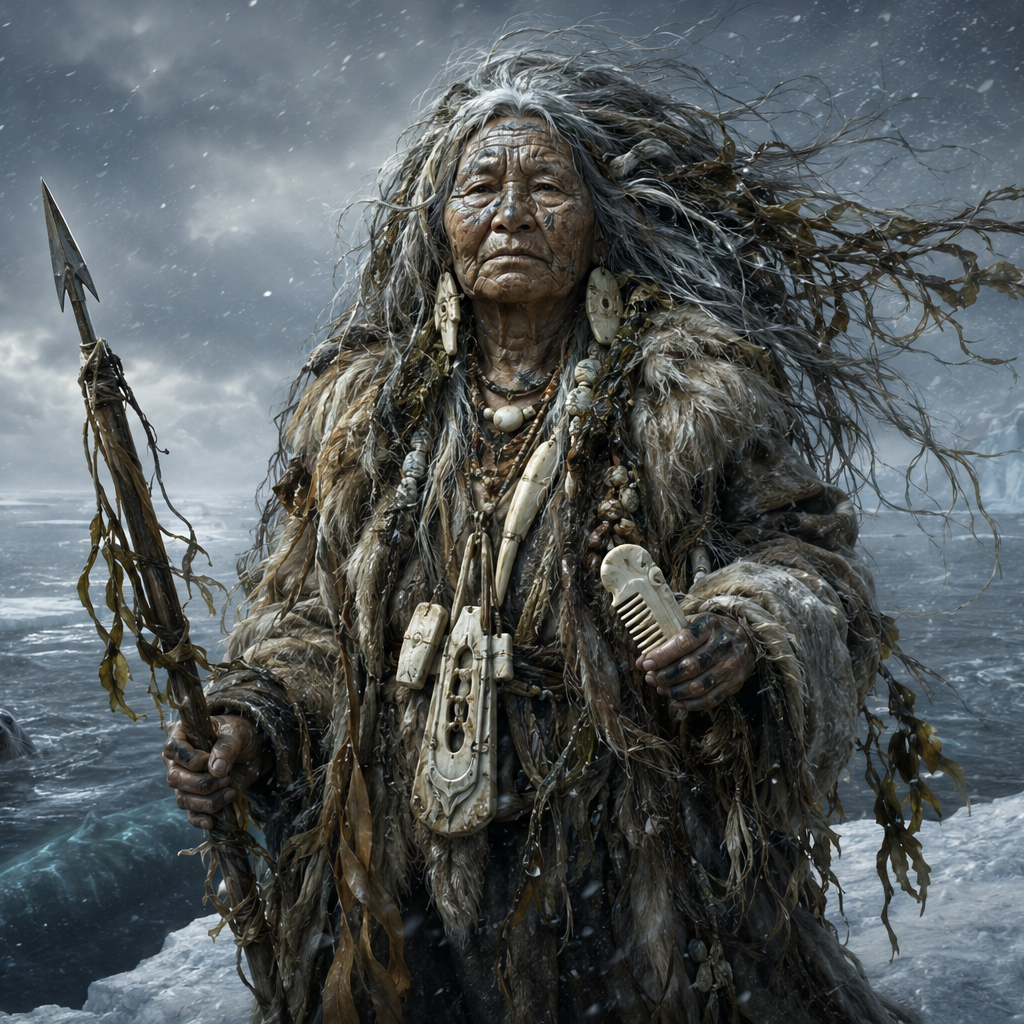
These figures are especially useful for stories of sea hunting, winter survival, storms, famine, taboo, animal masters, the dead, and the dangerous boundary between human settlement and the polar world.
- Aakuluujjusi
- Akna
- Arnakuagsak
- Arnapkapfaaluk
- Asiaq
- Sedna

Northwest Coast, Nuxalk, Kwakwaka’wakw, Haida, Tlingit, and Tsimshian Figures
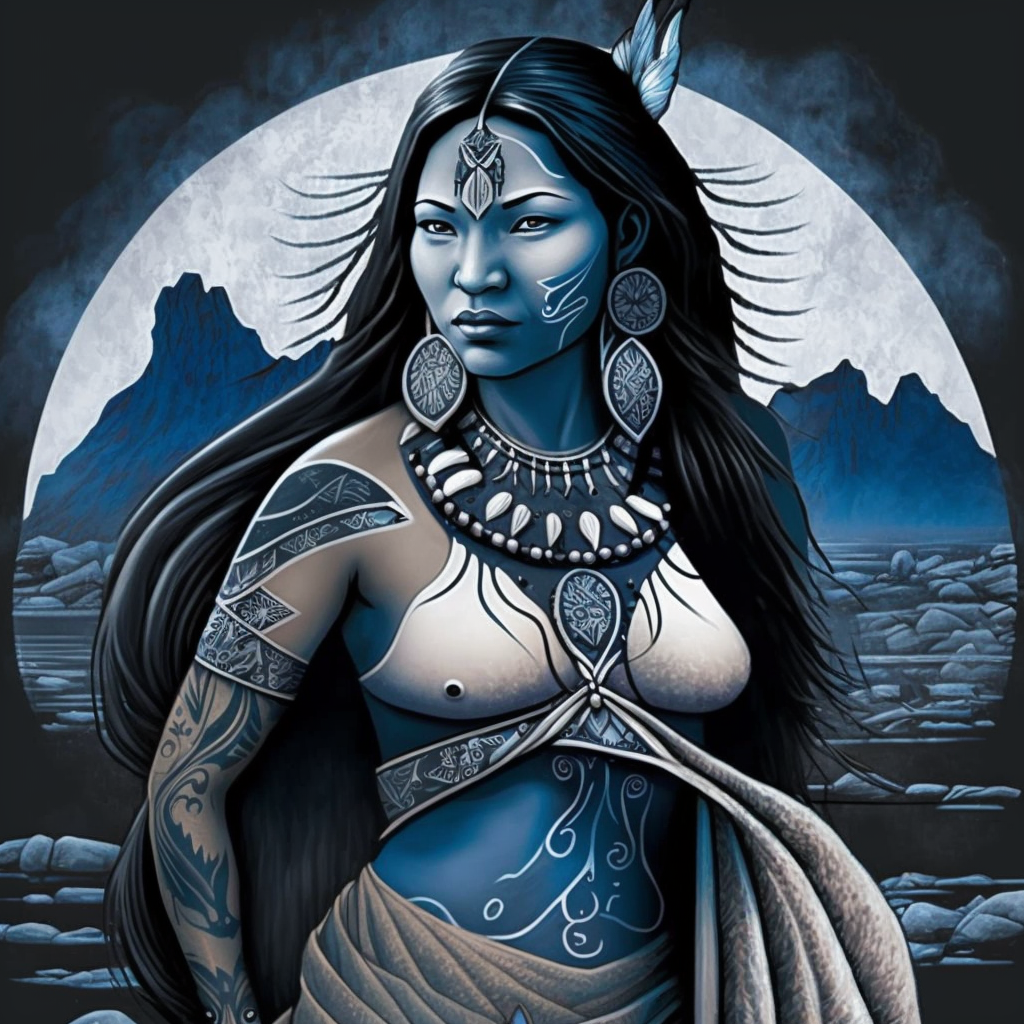
These entries work well in stories of cedar houses, sea roads, river mouths, mountain walls, layered heavens, undersea kingdoms, winter ceremonies, wealth, storm power, dangerous masks, transformation, and world-shaping tricksters. Qamaits belongs here because she is a Nuxalk / Bella Coola figure of the upper heaven, not an Inuit or Arctic goddess.
- Qamaits
- Kumugwe / Komokwa
- Winalagalis
- Dzunuḵ̓wa
- Bakwas
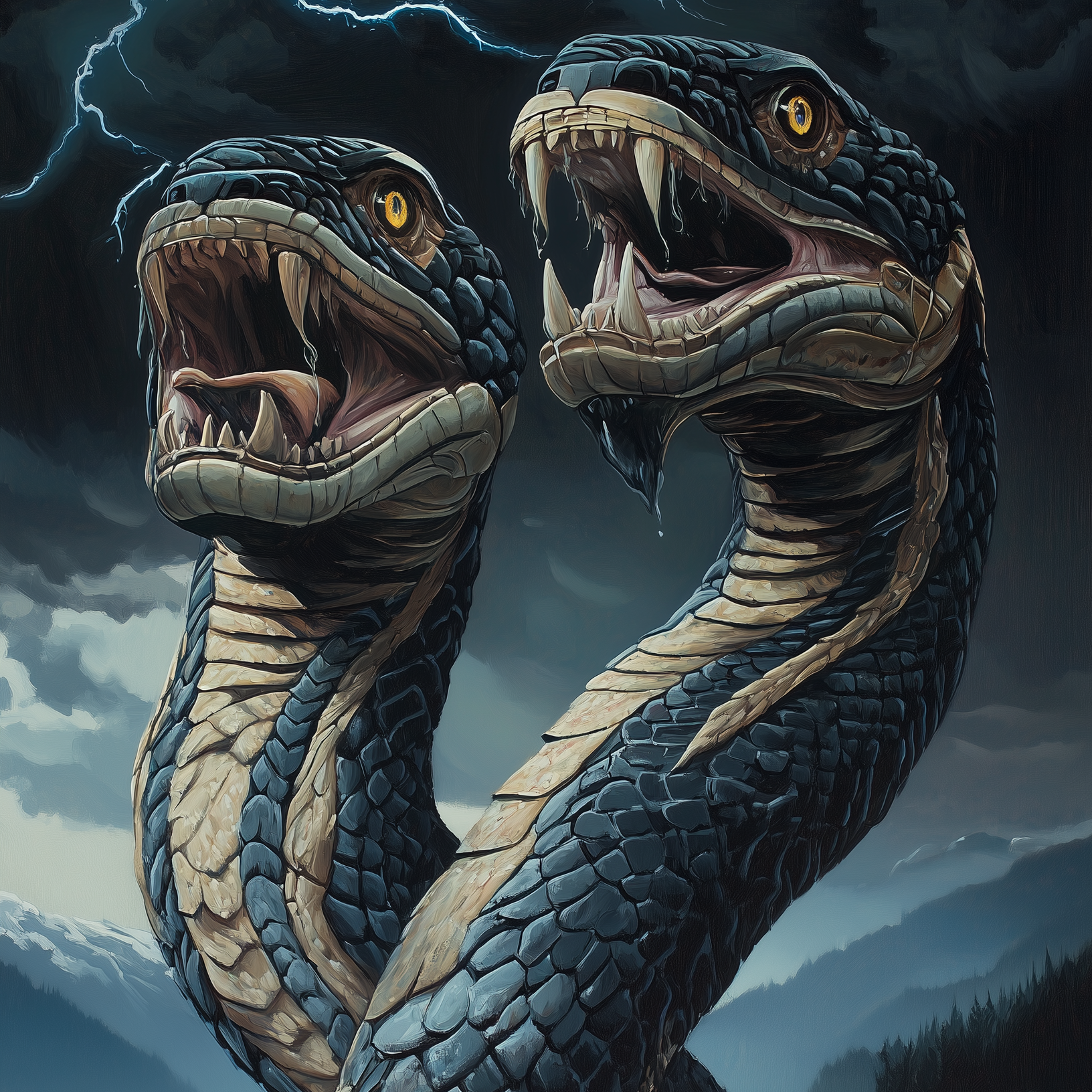
- Sisiutl / Si’siutl
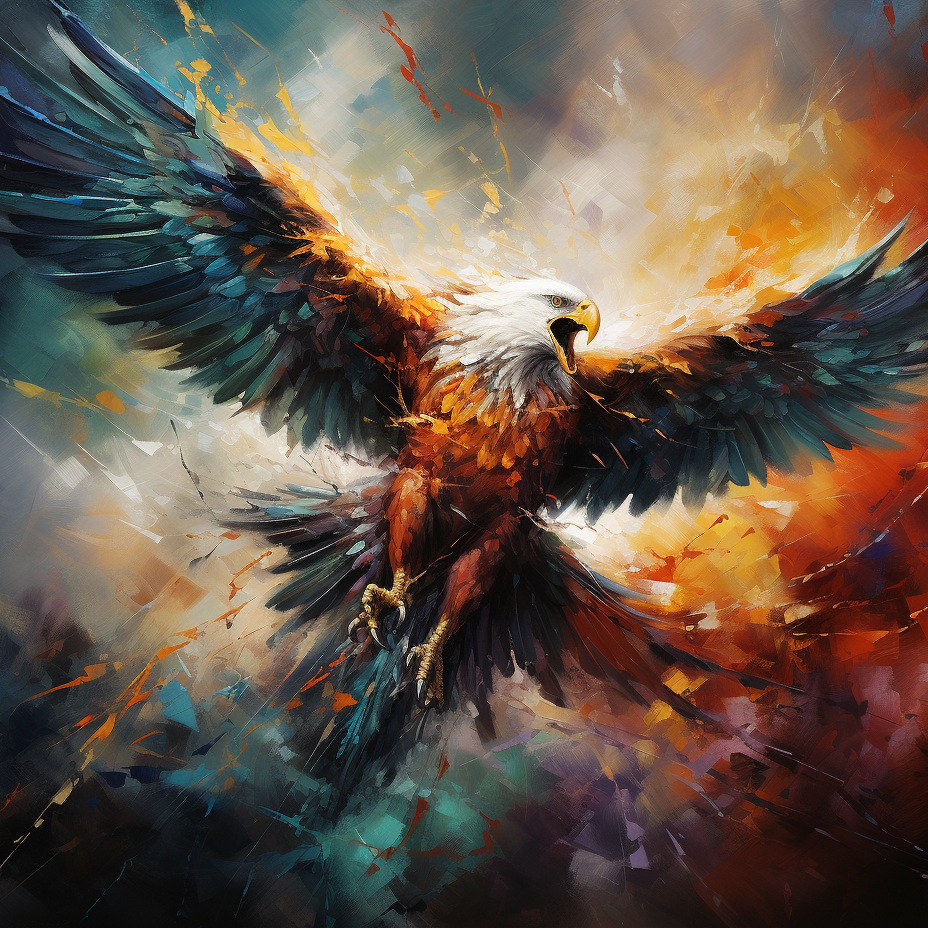
- Thunderbird
- Raven Figures of the Northwest Coast — including Tlingit Yéil, Haida Xhuuya / Xuyaa, and Tsimshian Txamsem / Txaamsm
Eastern Woodlands, Wabanaki, Anishinaabe, Cree, Northeastern, and Great Lakes Figures
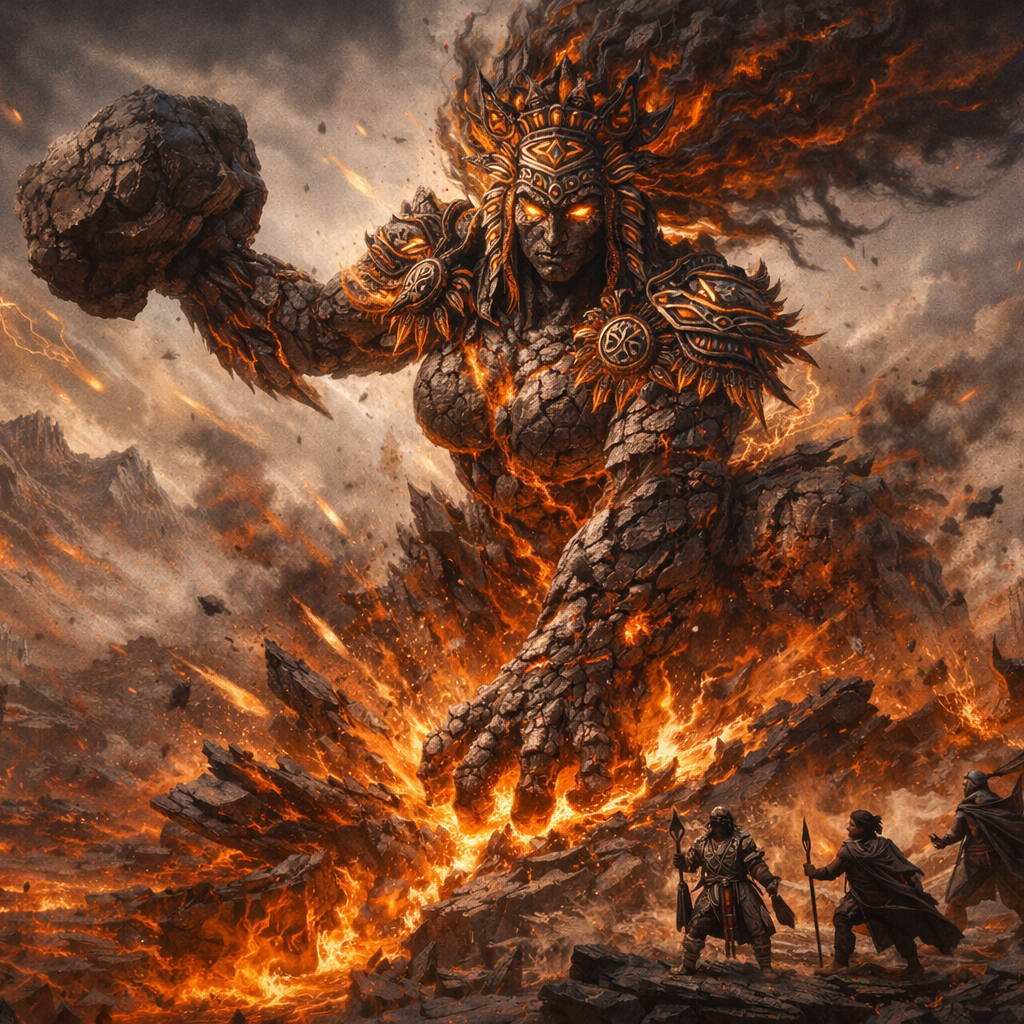
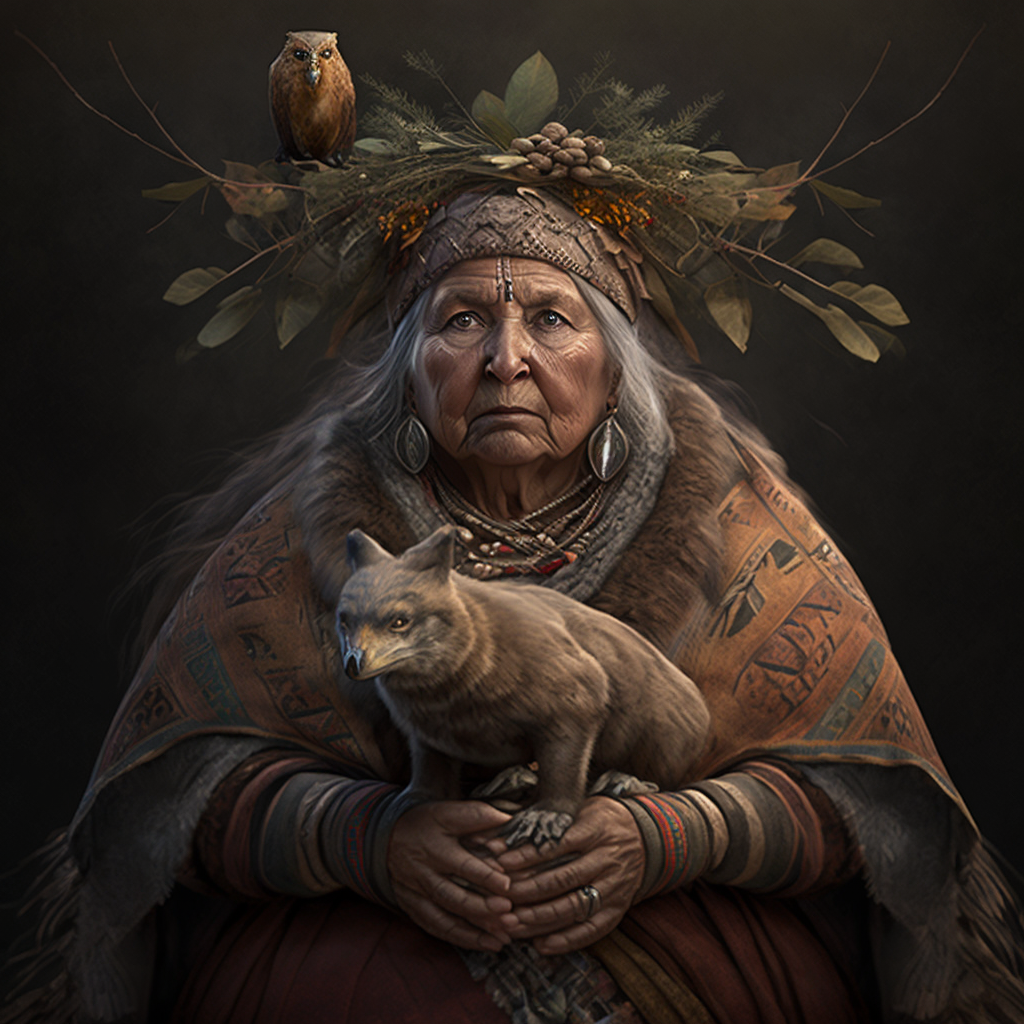
These entries work well in stories of creation, transformation, trickery, culture heroes, rival brothers, animal powers, forest law, river travel, hunting custom, and the shaping of human communities. Agaskw belongs here because of her connection to Glooscap/Gluskabe traditions rather than in a general uncertain category.
- Agaskw
- Atahensic
- Azeban
- Glooscap
- Malsumis
- Michabo
- Nanabozho / Nanabush / Manabozho
- Tabaldak
- Wisakedjak / Weesageechak
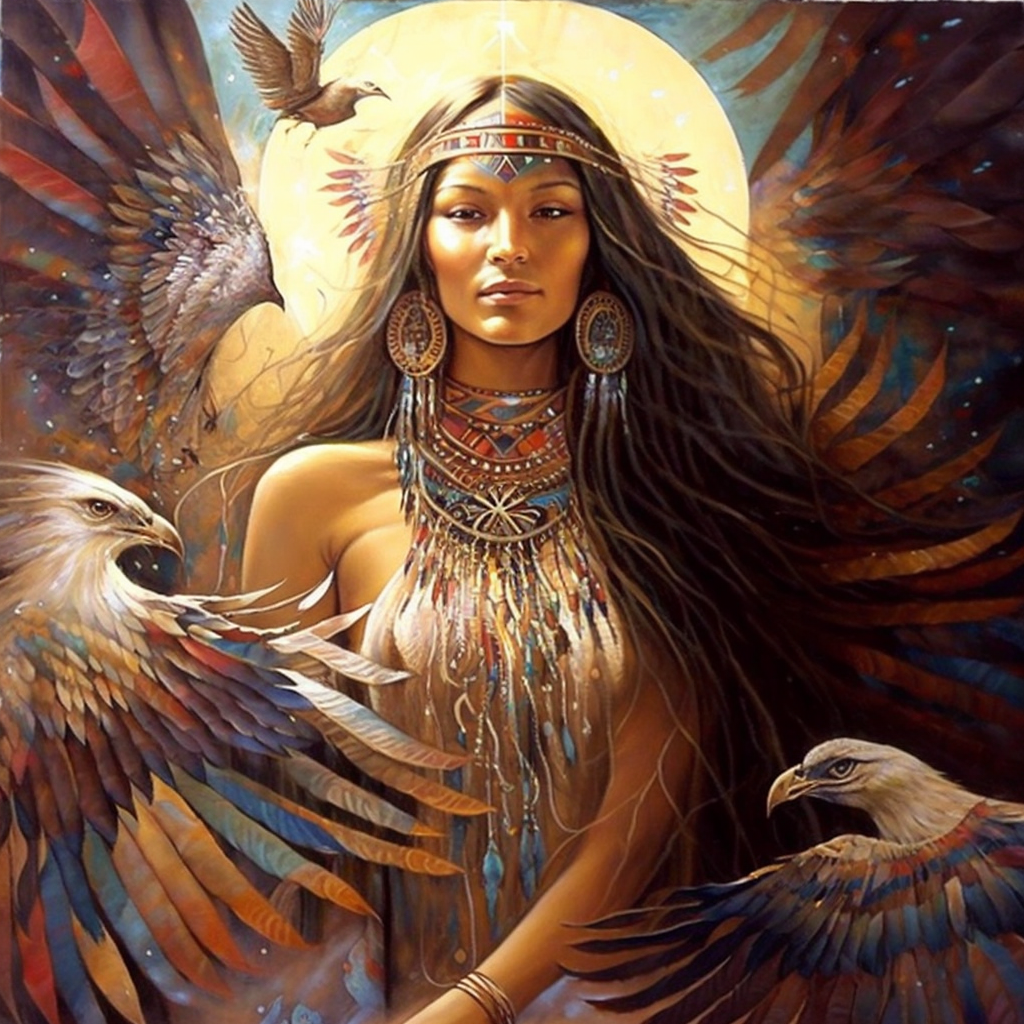
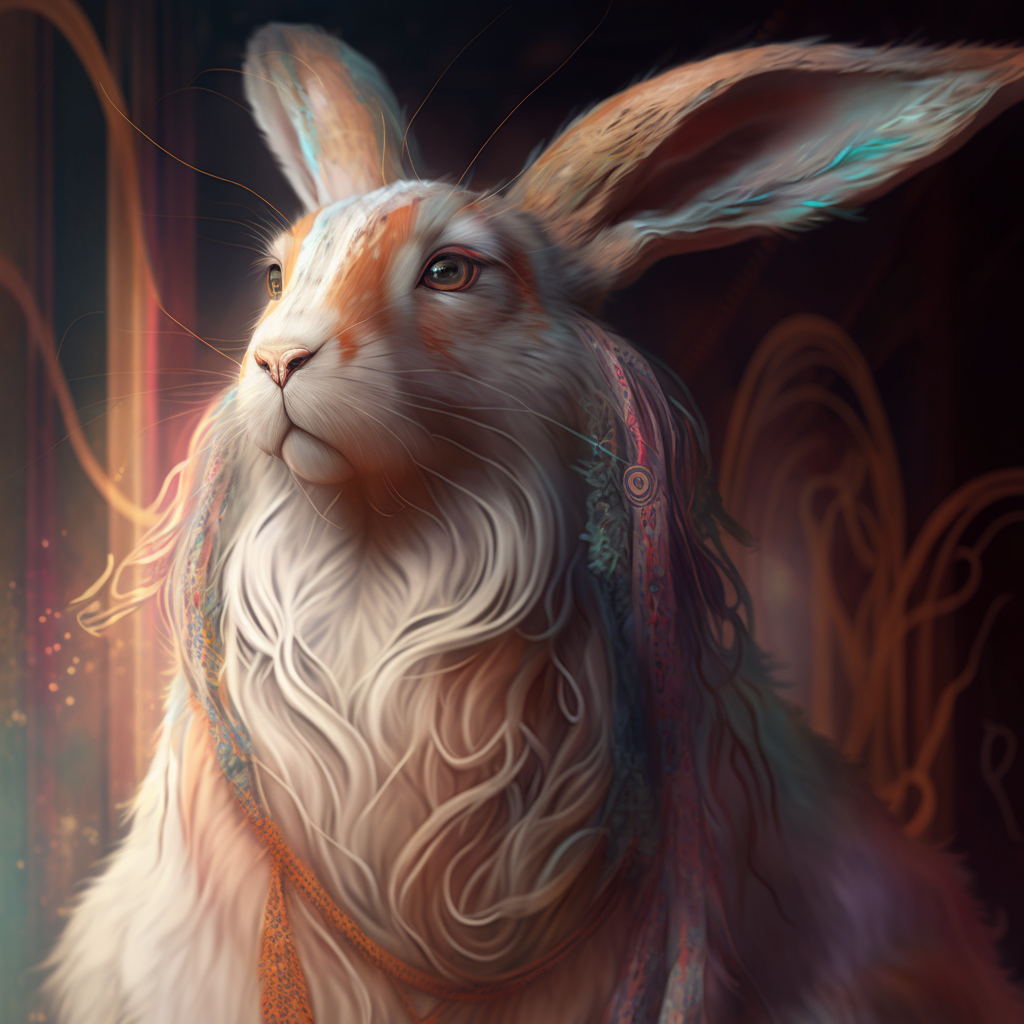
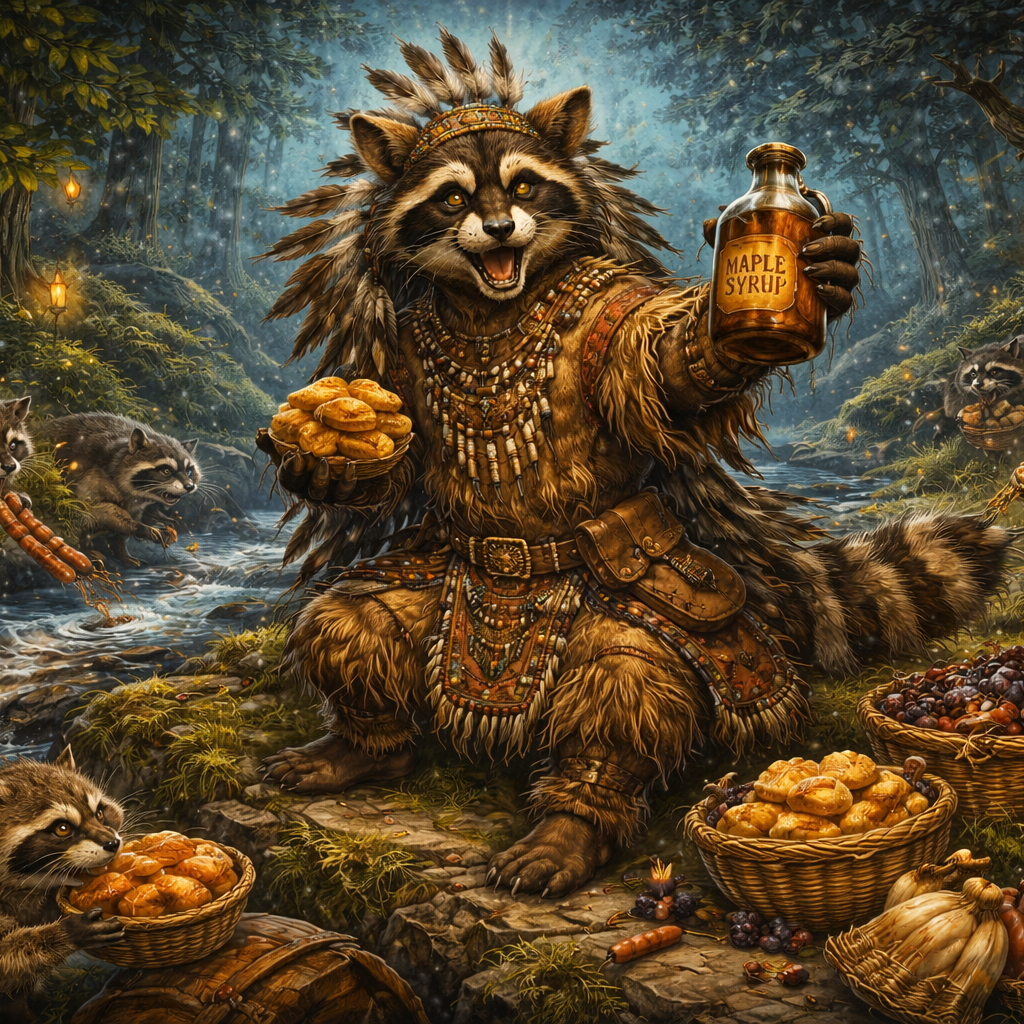
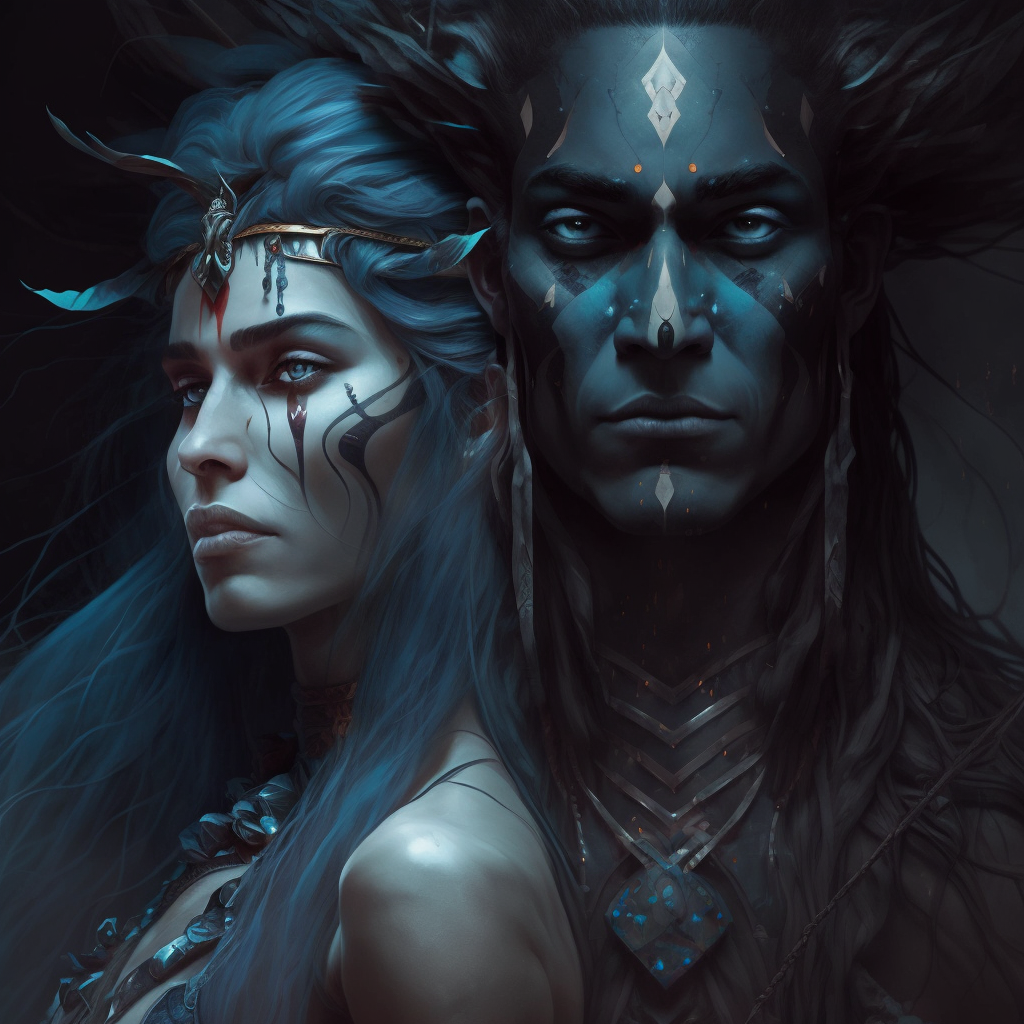
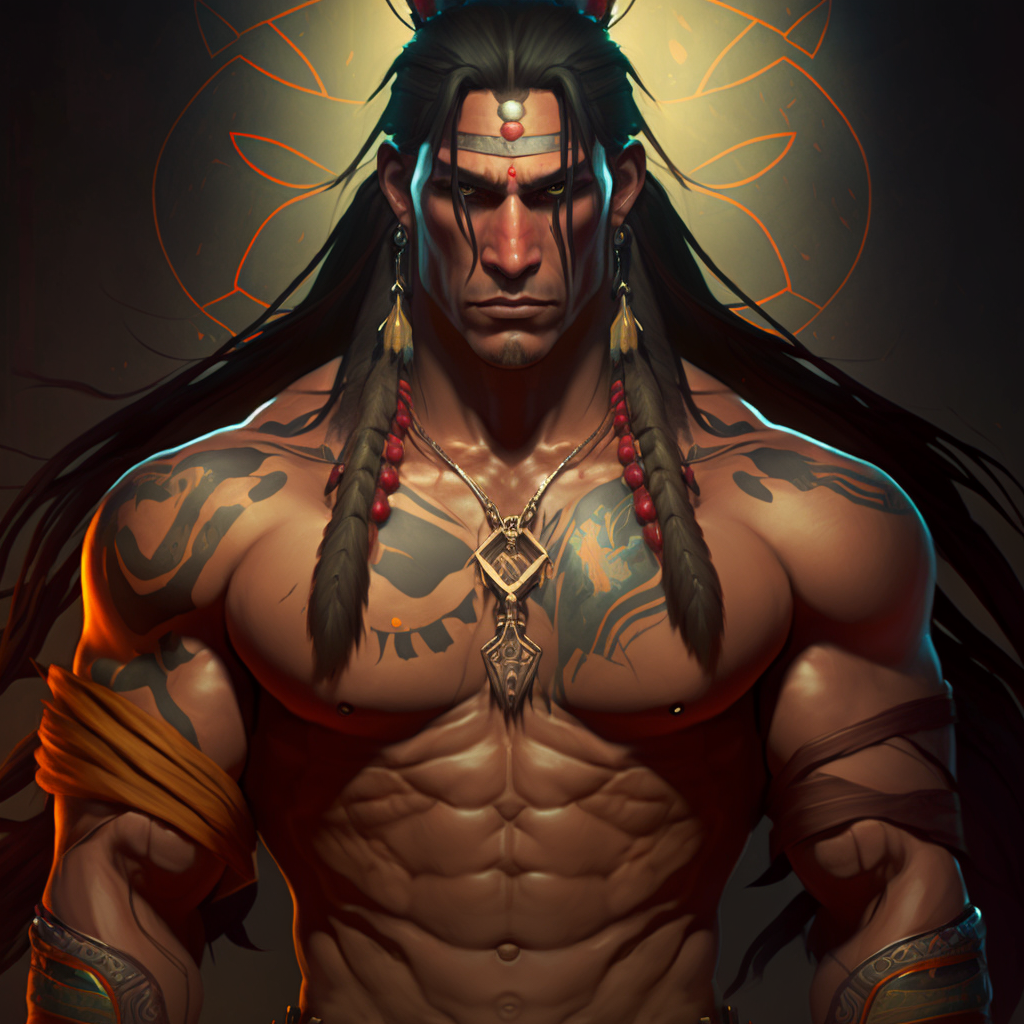
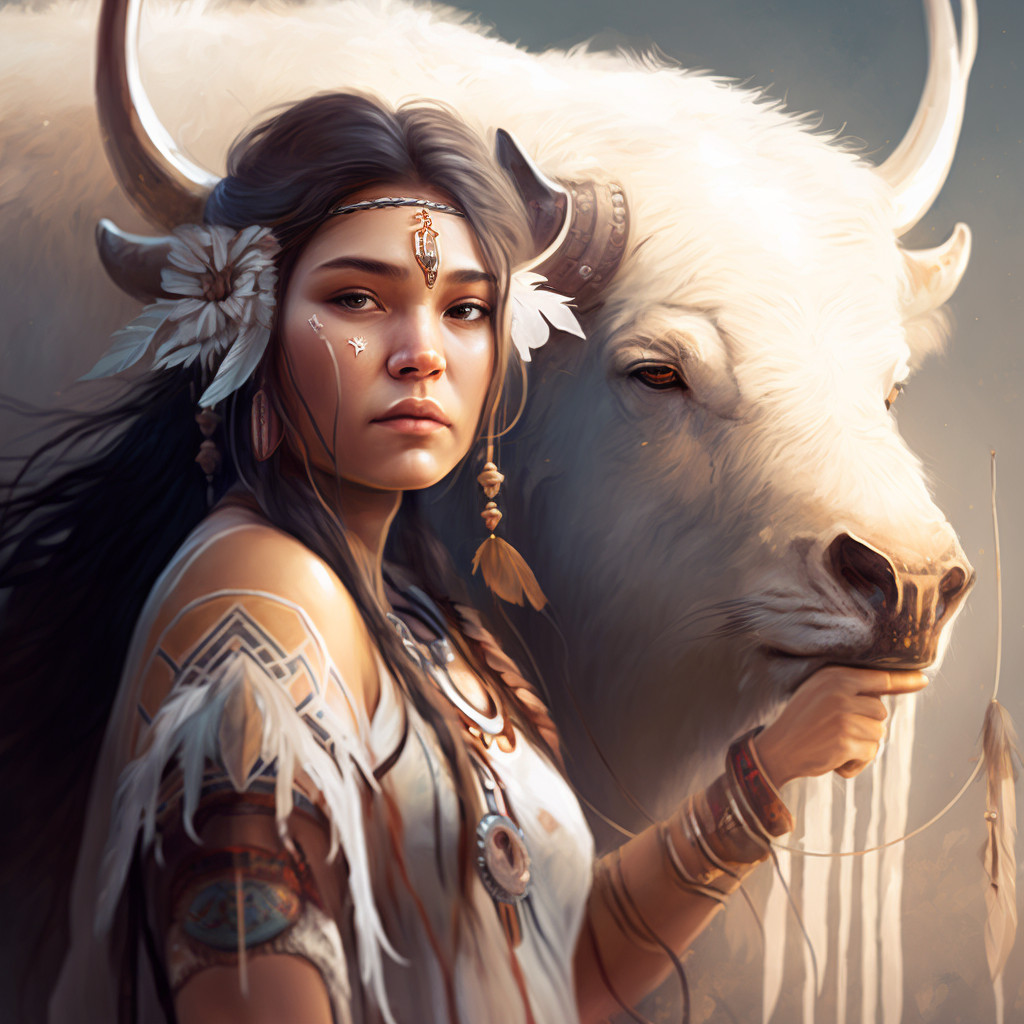
Plains, Blackfoot, Lakota, Dakota, and Related Sacred Figures
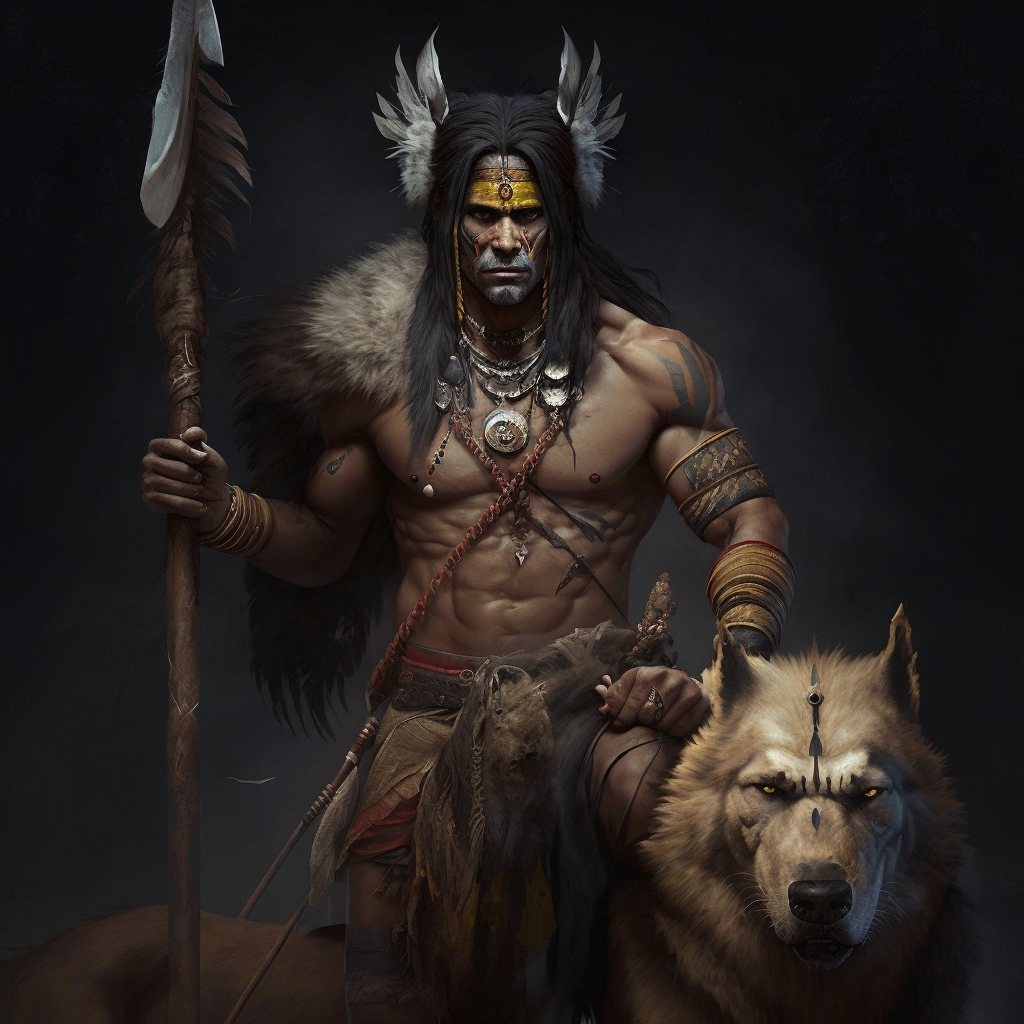
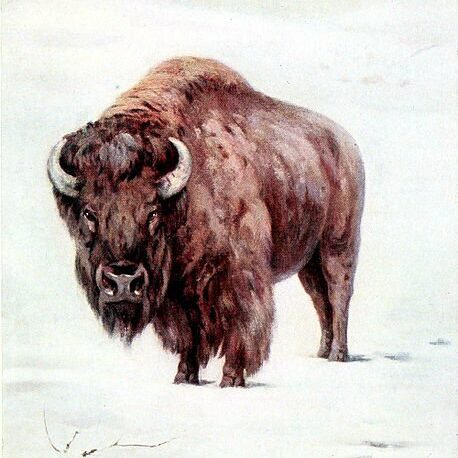
These figures suit stories of sacred law, weather, buffalo, kinship, prophecy, trickery, household duty, vision, ceremony, and the relationship between human communities and the living plains.
- Coyote
- Haokah
- Iktomi
- Inyan
- Napi / Old Man
- Skan
- Tate
- Thunderbird / Wakíŋyaŋ
- White Buffalo Calf Woman
- Čhápa, Lord of Domesticity and Labor
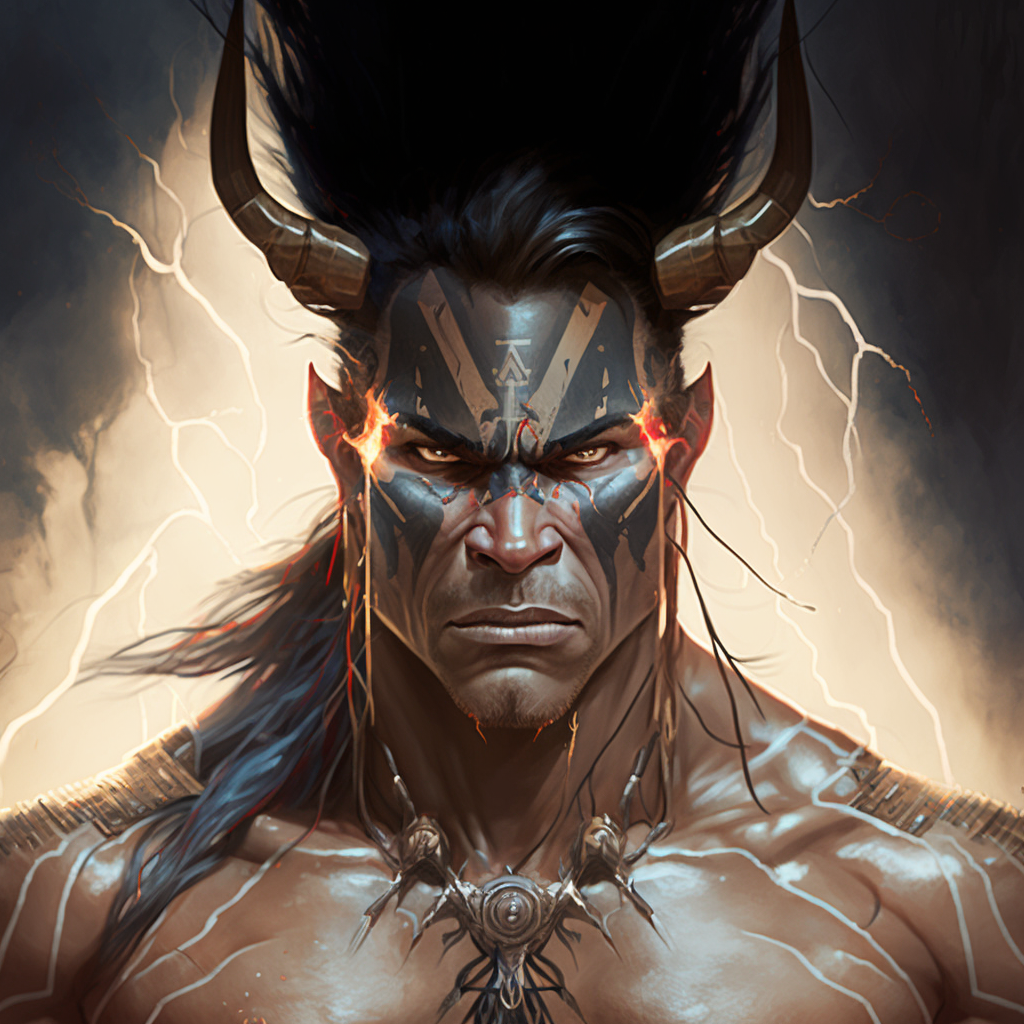
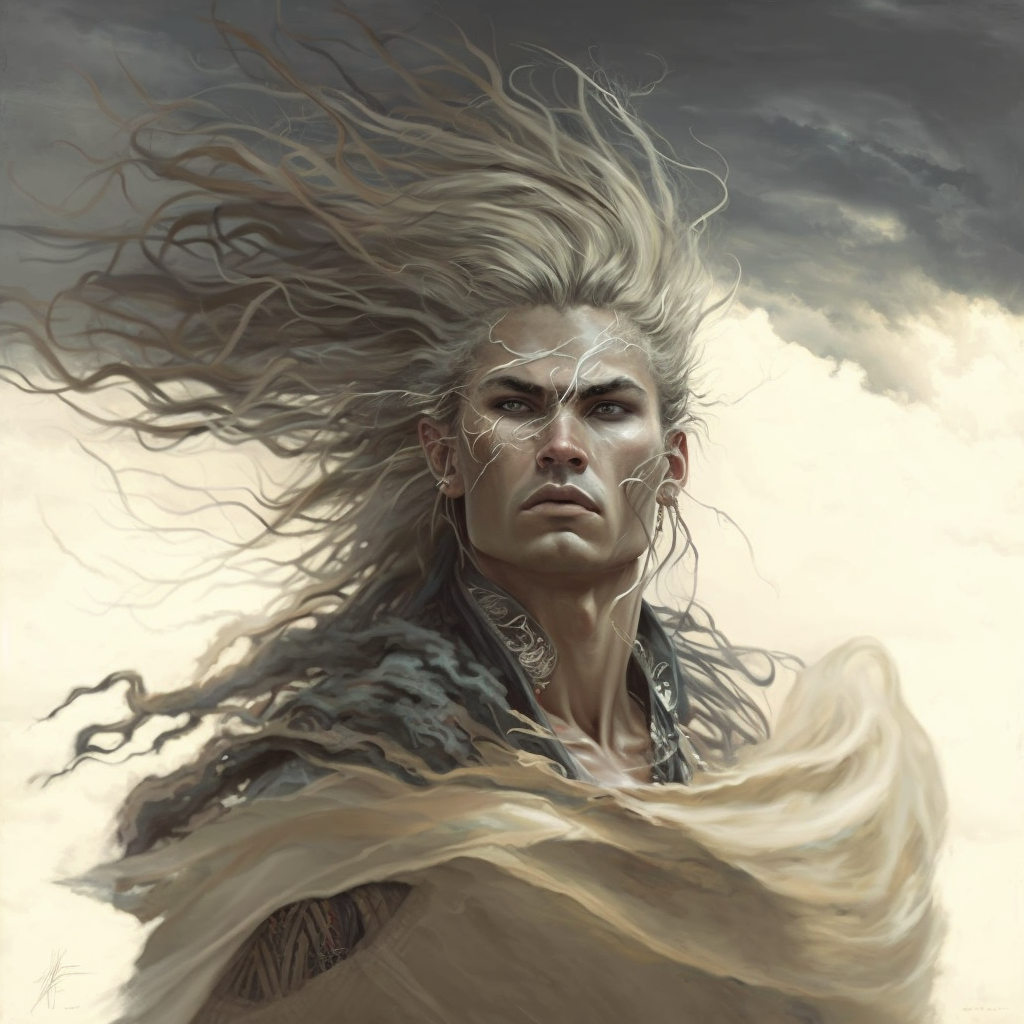
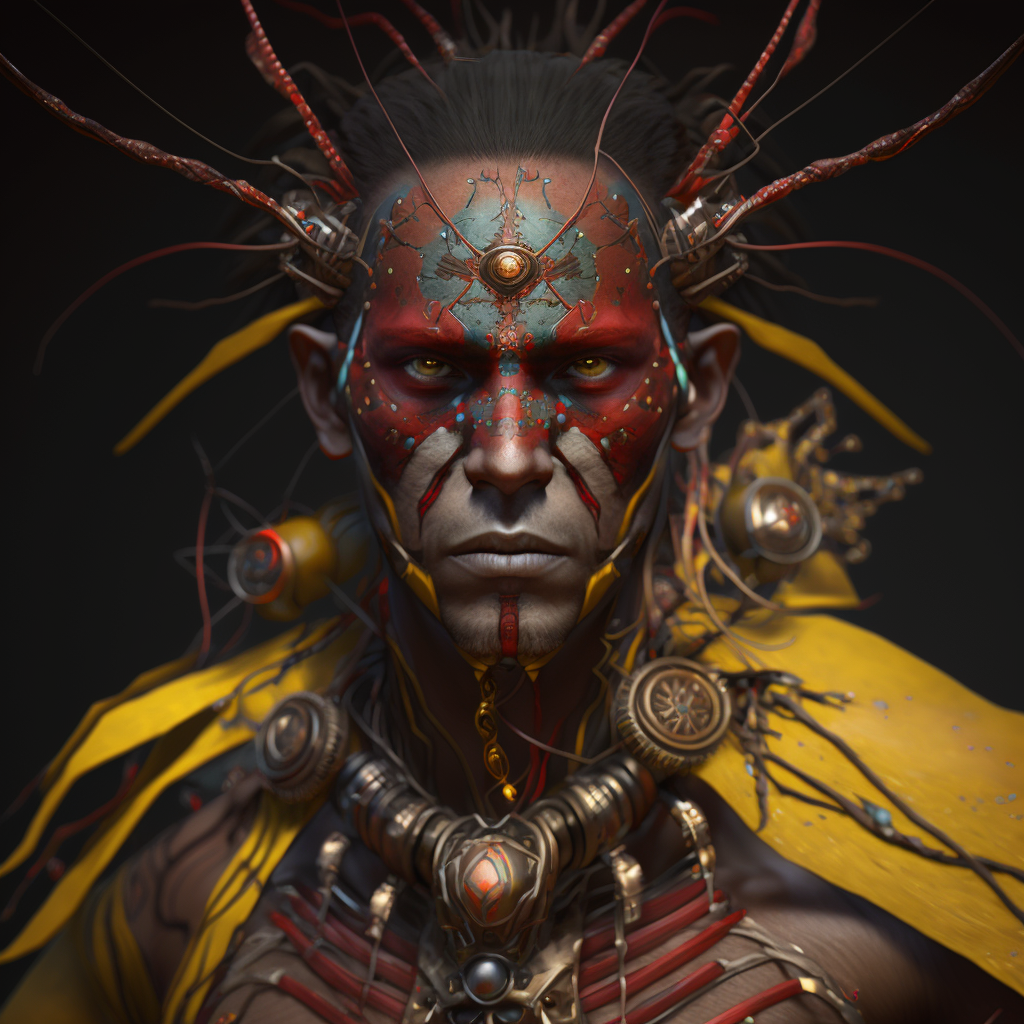
Southwestern, Navajo, Hopi, Zuni, Pueblo, and Desert Traditions
These entries are useful for stories of emergence, fertility, weaving, teaching, migration, dry lands, hidden knowledge, seasonal rites, celestial signs, death, fire, renewal, and the fragile bond between settlement and landscape. Achiyalabopa belongs here as a Zuni/Pueblo celestial or Knifewing figure, not as a generic continent-wide bird spirit.
- Achiyalabopa
- Changing Woman / Asdzáá Nádleehé
- Coyote
- Iyatiku
- Kokopelli
- Maasaw / Masauwu
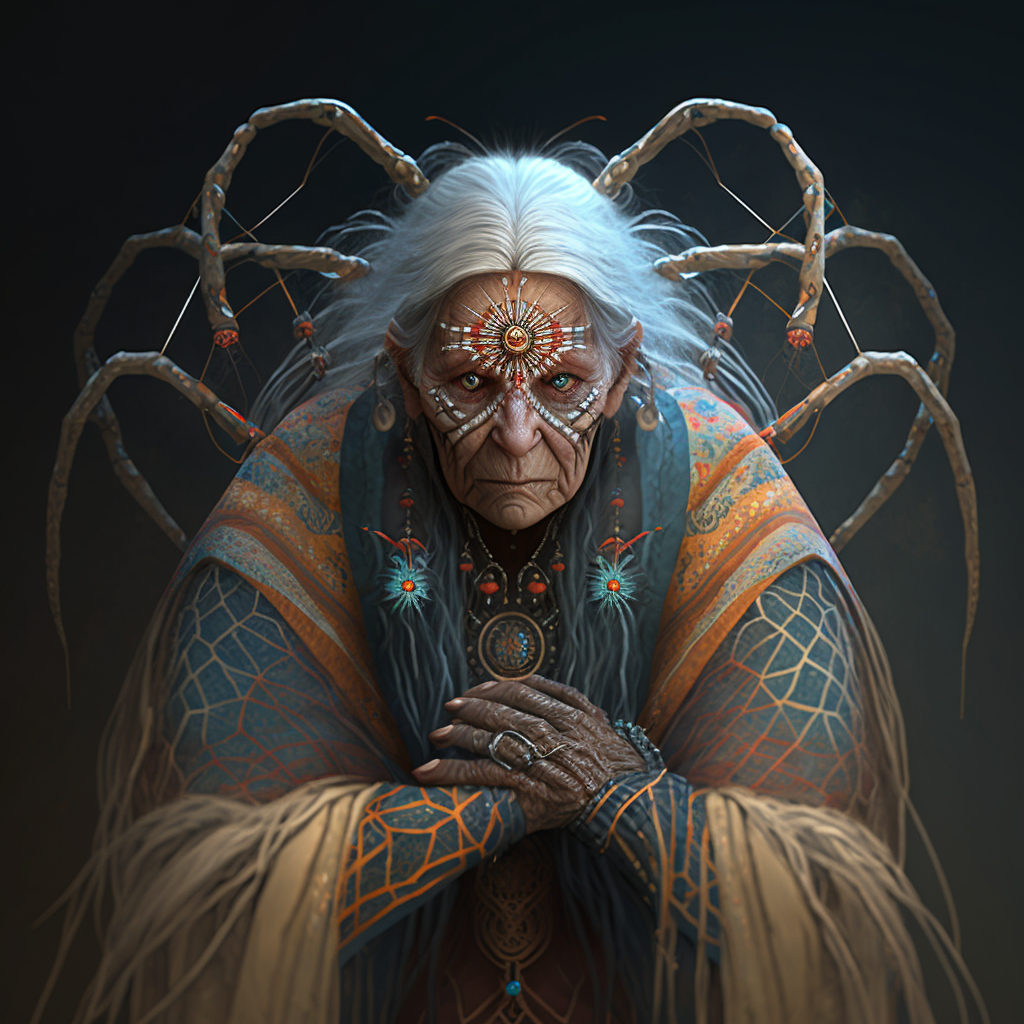
- Spider Grandmother
Pacific Northwest, Haida, Raven Cycle, and Coastal Traditions
These figures are strongest in stories of sea wealth, hidden houses, underwater realms, masks, lineage, death, winter ceremony, coastal travel, transformation, and the supernatural power of the ocean. Tia belongs here because of her Haida death-role and her pairing with Ta’xet. Raven belongs here as a major Northwest Coast culture hero, transformer, and trickster figure.
- Kumugwe
- Raven
- Tia
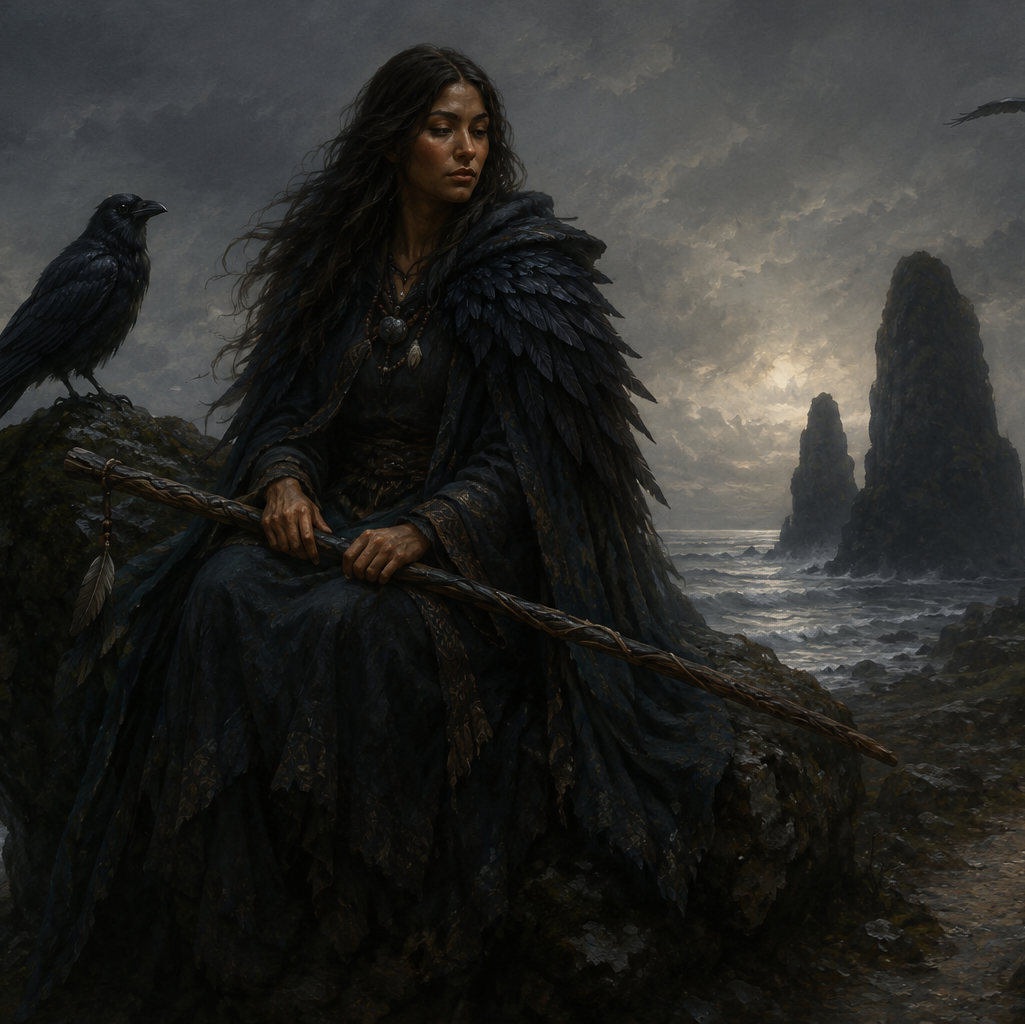
Creator, Great Mystery, and Sacred Power Concepts
This section is for broad sacred concepts, creator titles, and comparative terms that do not fit cleanly into one regional deity list. The Great Spirit is best handled as a concept page that can explain related names, translations, and tradition-specific meanings, rather than as one simple god shared by every people across the continent.
- The Great Spirit
Common Themes
- Place-based power: Rivers, lakes, coasts, plains, mountains, caves, forests, deserts, and sky roads may have their own guardians, dangers, and obligations.
- Animal nations: Animals may be more than beasts or resources. They may have speech, law, ancestry, treaties, spirits, and punishments for human arrogance.
- Trickster figures: Tricksters may create, deceive, humiliate, teach, liberate, or ruin. Their stories are rarely simple moral lessons.
- Transformation: Many stories turn on changes of body, species, season, identity, kinship, or moral state.
- Taboo and consequence: Broken sacred law may bring hunger, weather, illness, exile, failed hunts, haunting, or loss of protection.
- Creation and instruction: Many sacred figures do not simply rule the world. They teach people how to live within it.
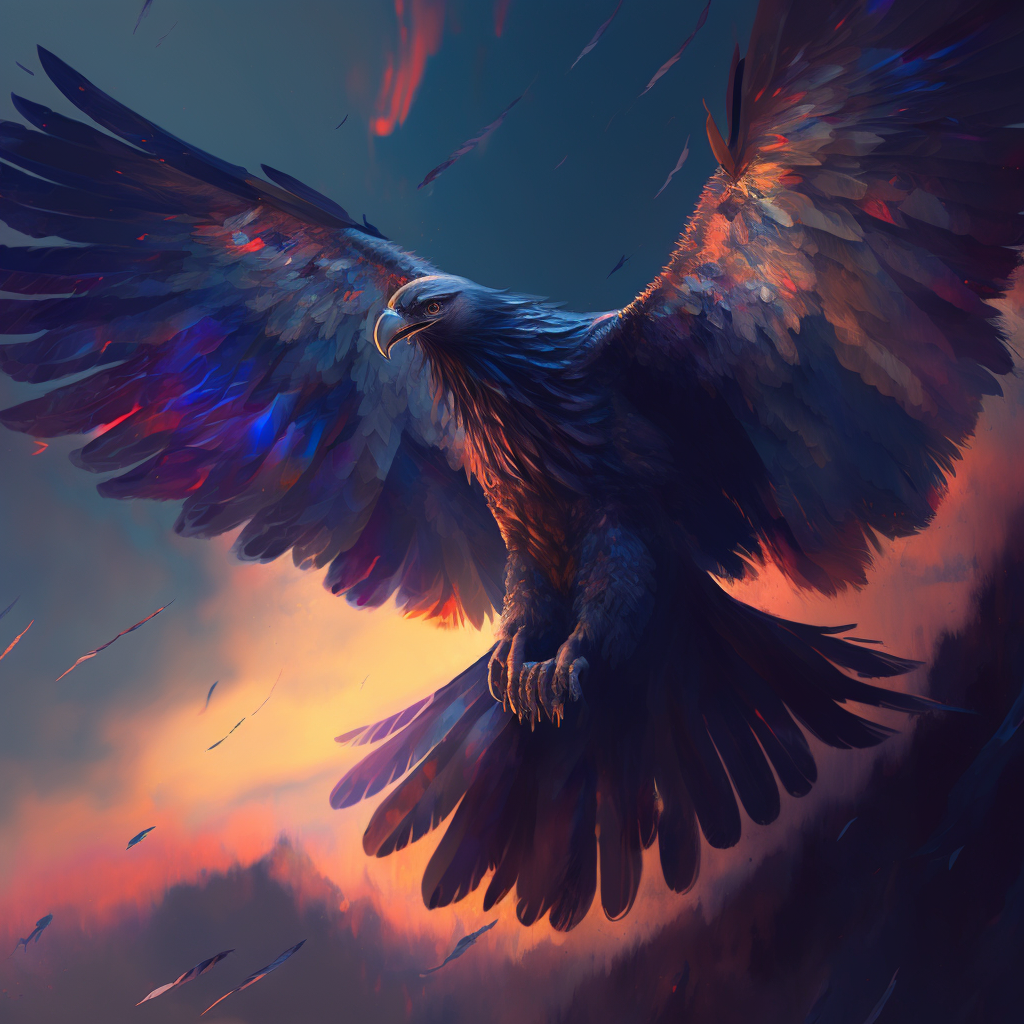
- Sky and storm powers: Thunderbirds, thunder beings, wind powers, and upper-world spirits may enforce sacred order through weather, lightning, vision, and fear.
- Death and renewal: Some figures rule the dead, guard emergence, renew the seasons, or teach mortals how to live with death rather than escape it.
Adventure and Worldbuilding Uses
- A hunting band breaks an old compact with an animal nation, and the herds vanish from the land.
- A winter settlement refuses to speak a sea spirit’s name after a failed hunt, and every boat launched from the shore returns empty.
- A trickster gives two rival leaders the same prophecy, ensuring that both believe betrayal is the only path to survival.
- A lake spirit demands the return of bones taken from an underwater shrine.
- A wandering culture hero appears in disguise to test whether a ruler still honours guest-law.
- A sacred teacher leaves behind a law that no king, chief, war-band, or foreign empire can safely ignore.
- A storm is not random weather but the visible edge of an offended power.
- A mask, bundle, pipe, robe, drum, carving, or song carries obligations far beyond its material value.
- A Thunderbird vision marks a warrior, judge, healer, or oath-breaker for a dangerous duty.
- A Raven story repeats itself in the present, forcing mortals to decide whether the old trick ends in creation or disaster.
- A death guardian offers safe passage only to those who have kept faith with land, crops, kin, and the dead.
In a Campaign World
These figures work best when they are tied to place and consequence. A sacred being may not need a temple, priesthood, stat block, or divine court to shape the world. It may be felt through a vanished herd, a forbidden cave, a storm that follows oathbreakers, a river that rejects the dead, a winter that arrives too early, or an animal that speaks only once.
For game use, the strongest approach is to let each figure change the behaviour of people around it. Villages keep taboos. Hunters follow old rules. Chiefs fear certain stories. Travellers avoid certain waters. Children learn which names not to speak at night. That is often more powerful than treating every sacred figure as another distant god on a list.
Sources and Further Reading
For broad background on Native American and Indigenous religious traditions, see Encyclopaedia Britannica: Native American religions, The Canadian Encyclopedia: Religion and Spirituality of Indigenous Peoples in Canada, and Encyclopaedia Britannica: Mythologies of the Indigenous Peoples of the Americas.
For specific figures and story-cycles, see Native Languages of the Americas: Woodchuck Mythology, Native Languages of the Americas: Wisakedjak, Native Languages of the Americas: Napi, Native Languages of the Americas: Thunderbird, Native Languages of the Americas: Raven Mythology, Encyclopaedia Britannica: Raven Cycle, The Canadian Encyclopedia: Nanabozo, Brown University Library: Skin Painting of the Spirit Achiya:latapa (Knifewing), Native Languages of the Americas: Skeleton Man / Masaw, and Changing Woman Initiative: Our Creation Story.
Further Watching
These videos are useful as supplementary introductions, especially for the Arctic, Inuit, and Northern Sacred Powers section.