
Dumuzid / Dumuzi — Shepherd King, Lover of Inanna & the Descent Cycle
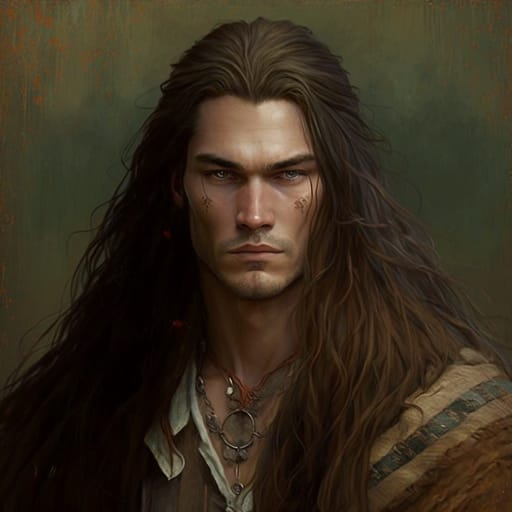
Dumuzid—Dumuzi, later Tammuz—is the divine shepherd and royal lover whose story binds pastoral abundance to loss, lamentation and the underworld. His relationship with Inanna places him inside one of Mesopotamia’s great cycles of desire, kingship and substitution, while his sister Geshtinanna preserves the bond between the living and the dead.
At a Glance
Intermediate Deity
Neutral Good
The Shepherd; Beloved of Inanna; Lord of the Fold
Shepherds, flocks, pastoral abundance, royal courtship, lamentation, seasonal loss and return
Tammuz
Descent, substitution and mourning
The Shepherd’s Fields at the road to the Great Below
Game Mechanics
The following statistics are campaign adaptations, not official rules material.
5.5e / 2024 — Direct Divine Manifestation
Medium Celestial (Deity), Neutral Good. AC 25; HP 620; Speed 40 ft.; CR 31; PB +9. STR 28, DEX 24, CON 30, INT 24, WIS 34, CHA 34. Saves Str +18, Con +19, Wis +21, Cha +21. Resistances necrotic, radiant, psychic; Immunity poison. Truesight 120 ft.
Divine Nature; Legendary Resistance (4/Day); Magic Resistance. Shepherd of the Living. Beasts and herd animals within 120 feet cannot be frightened and will not stampede unless Dumuzid permits it. Chosen Substitute. Once per long rest, when an ally within 60 feet would drop to 0 hit points, Dumuzid may take half the triggering damage and the ally instead remains at 1 hit point.
Actions — Shepherd’s Crook. +18 to hit; 3d8+8 bludgeoning plus 4d8 radiant. Call the Fold (Recharge 5–6). Up to six allies within 90 feet move up to half Speed without provoking Opportunity Attacks and gain 20 temporary hp. Lament of the Shepherd (Recharge 5–6). Enemies in a 30-foot radius make DC 28 Wisdom saves; on failure they take 36 psychic damage and cannot take Reactions until end of next turn. Return from Below (1/Day). Dumuzid returns one willing creature dead no more than 1 minute to life with half hit points, but Dumuzid cannot use Chosen Substitute again until the next dawn.
Legendary Actions. Shepherd’s Step; Crook Strike; Calm the Herd (1), end Frightened on one ally; Geshtinanna’s Warning (2), grant one ally Advantage on a save; Descent Exchange (3), swap positions with a willing ally within 60 feet and take one harmful ongoing effect from them.
Cleric themes. Nature, Life and Grave fit different parts of Dumuzid. A campaign Shepherd Domain might use animal friendship, sanctuary; aid, beast sense; plant growth, revivify; death ward, guardian of faith; commune with nature, reincarnate.
Pathfinder 1e — Campaign Adaptation
CR 31 / MR 8. AC 50; hp 600; Fort +31, Ref +29, Will +37; DR 15/epic; SR 42. Signature abilities: Divine Shepherd (Su), calm and command herd animals; Chosen Substitute (Su), immediate damage-sharing to save an ally; Lament (Su), fear/sorrow effect; Return from Below (Su), 1/day breath of life or limited resurrection. Domains: Animal, Community, Life, Nature, Repose.
D&D 3.5e — Campaign Adaptation
Intermediate Deity; Divine Rank 10; Outsider 20 / Ranger 10 / Cleric 15; Neutral Good; suggested CR 38. DR 20/epic; SR 52. Salient abilities: Avatar, Divine Spellcasting, Gift of Life, Rejuvenation and portfolio powers over herds and seasonal return. Domains: Animal, Community, Life, Nature, Repose.
What Is Dumuzid Doing Right Now?
Dumuzid is following displaced herds, seasonal migrations and communities whose wealth walks on four legs. War has broken old grazing routes, and shepherds are being forced through dangerous territory where spirits, monsters and armed toll collectors all expect payment.
He is also reliving the descent cycle in small ways. People who survive because someone else took their place—a soldier covering a retreat, a sibling accepting blame, a shepherd drawing a predator away—sometimes dream of Dumuzid afterward. The god is very interested in the difference between willing sacrifice and someone else choosing the victim.
Appearance & Manner
Dumuzid appears as a youthful shepherd-king carrying a crook, dressed in fine but practical woven garments. He smells of sheep, dust and fresh grass rather than perfume. He can be charming and proud, but the underworld has left him with a deep fear of cages, closed gates and decisions made on behalf of the absent.
The Shepherd, Inanna & the Descent Cycle
Dumuzid’s mythology links pastoral life and kingship to Inanna. Sacred-marriage traditions present him as the goddess’s lover or spouse, while descent stories place him in the terrible role of substitute when Inanna returns from the underworld.
His sister Geshtinanna appears in mourning traditions and becomes deeply connected to the netherworld through her devotion to him. Later interpretations often turn this into a neat seasonal vegetation cycle; the surviving Mesopotamian traditions are richer and less uniform than that summary suggests.
Divine Relationships
Inanna / Ishtar. Lover, spouse and the divine figure whose descent leads to Dumuzid’s own seizure as substitute.
Geshtinanna. His sister, dream interpreter and protector in the tale of Dumuzid’s Dream. Her underworld connections grow from the same mourning cycle.
Ereshkigal. The queen of the realm into which Dumuzid is dragged; she is not his natural enemy so much as the sovereign of the law that claims him.
Worship, Shepherds & Lamentation
Dumuzid’s worshippers include shepherds, herders, pastoral communities, royal households and mourners. His rites value flock health, fair access to pasture and honest mourning for people whose absence changes the structure of a household.
His name should not be padded with unrelated classical aliases. Apollo is not an alias of Dumuzid, and later comparative mythology belongs in historical commentary rather than the identity block.
Omens, Favour & Displeasure
Favour appears as a lost lamb returning, a flock refusing a dangerous route, a mourner finally dreaming of the dead or green shoots appearing where animals rested. Dumuzid dislikes needless abandonment, rulers who take livestock without compensation and sacrifices imposed on people who never agreed to make them.
Encounters & Adventure Use
The Substitute
An underworld spirit demands the person named in an old ritual, but the recorded name belongs to someone who never consented.
The Shepherd King’s Flock
A sacred herd refuses to cross a border because something beneath the road leads to Irkalla.
Geshtinanna’s Dream
A priestess dreams Dumuzid’s death exactly as in the old lament—except the pursuers wear the arms of a living ruler.
Divine Realm — The Shepherd’s Fields
Dumuzid’s realm lies on green uplands crossed by a road descending toward Irkalla. Flocks graze freely, but every gate can be opened from both sides. The realm embodies his greatest lesson: care for a flock is not ownership of the lives within it.
Relics & Sacred Objects
The Crook of the Returning Flock. It leads lost herd animals home and points toward missing members of a travelling group.
The Lament Reed. Played during mourning, it allows one shared dream of the dead without summoning or binding them.
The Substitute Cord. It can transfer one curse or wound to a willing bearer, but does nothing if consent is coerced.
Historical & Mythological Context
Dumuzid/Dumuzi is a Mesopotamian shepherd deity associated with Inanna and with traditions of descent, mourning and substitution. His sister Geshtinanna is central to the lament traditions around his death and attempts to escape the forces pursuing him. Later Tammuz traditions extend his influence well beyond early Sumerian literature.
The direct divine statistics, realm, relics and current activity above are campaign adaptations. Apollo and unrelated modern/Renaissance material have been removed.
Sources & Licensing
Historical foundation: ORACC’s Mesopotamian deity corpus, including Geštinanna and project material on Inanna’s descent and Dumuzid’s substitution. Game mechanics and campaign material are original adaptation.
Keep this reference growing
If this page helped with your reading or game, you can support its upkeep or explore the curated books.
Explore the Bookshop — epics, classics and stories behind imagined worlds.