
Reuss Lands of Greiz — Divided Castle and Vogtland Lordship
Reuss Lands of Greiz — Divided Castle and Vogtland Lordship
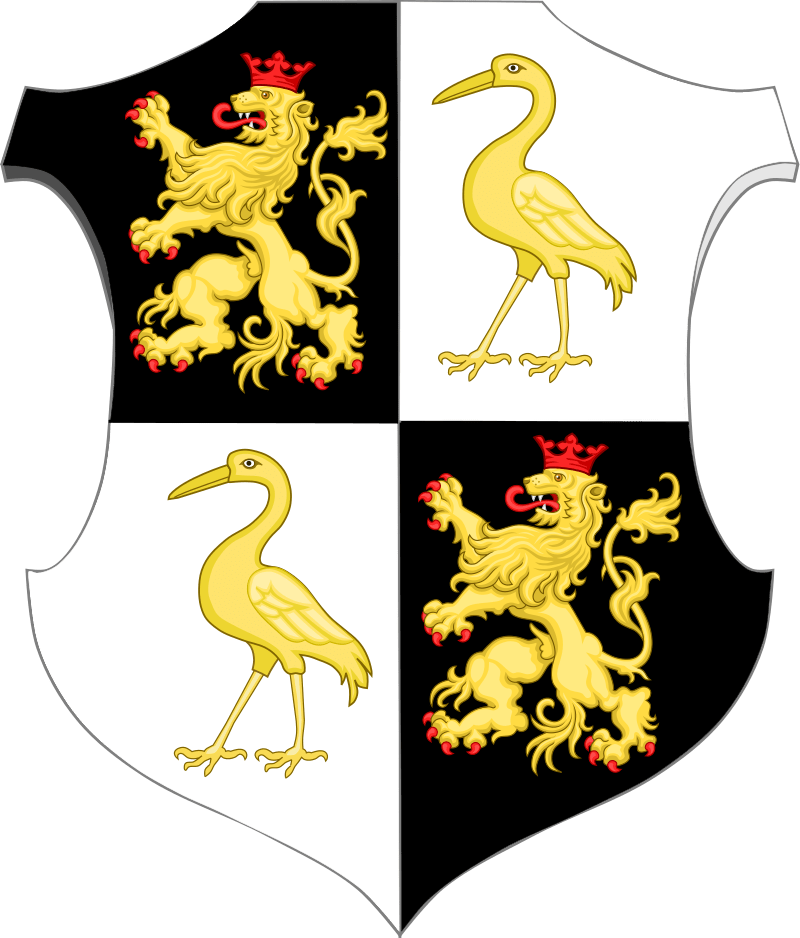
The Reuss lands around Greiz form a small Vogtland lordship within the Holy Roman Empire. Greiz itself has only recently been divided between two castle seats, making family agreements and local rights unusually important.
- Coat of Arms/Flag: A red shield with a golden lion rampant, surmounted by a silver crown. The flag is a red and gold horizontal stripe.
- Status: Reuss lordship in the Vogtland; Greiz is divided between family holdings centred on its two castle seats
- Country: Holy Roman Empire
- Principal Seat: Greiz, with the town and castle complex divided between Reuss family holdings
- Other Settlements: Villages, mills, estates and market routes across the Greiz and Vogtland sphere
- Current Authority: The Reuss lords of Plauen, whose Greiz possessions are divided among family branches
- Immediate Political Pressure: Maintaining tolls, inheritance rights and obligations across a town and castle complex divided between related family holdings
- Government: Dynastic lordship exercised through Reuss household officers, castle retainers and local town authorities
- Law: Lordly commands operate alongside town rights, inherited contracts, estate custom and imperial obligations
- Demographics: Germanic
- Languages: German
- Population: A modest town-and-rural population spread through Greiz, estates, mills and surrounding villages
- Sacred traditions: Local divine cults, household rites, ancestral obligations, river powers and regional sacred customs
- Places of Interest: The divided Greiz castle complex, town market, White Elster crossings, forest roads, mills and fortified approaches through the Vogtland
- Other Notable Residents: Reuss household officers, Greiz councillors, millers, merchants, foresters, castle retainers and messengers carrying agreements between the family holdings
The Reuss lands around Greiz are small enough that a mill lease, toll right or marriage agreement can become high politics. The market, castle approaches and White Elster crossings draw merchants and messengers, while surrounding forests and estates supply timber, game and labour.
The 1449 division of Greiz means that neighbours can owe service to different family holdings while using the same market, road or river crossing. Adventurers may be hired to witness a boundary, recover a missing charter, escort rent or prove which lord has the right to command a particular gate.
The surrounding hills, forests and waters are also claimed by creatures and local powers that are part of the landscape rather than superstition. Wyverns threaten exposed roads and livestock, while river beings and territorial spirits can make a disputed crossing dangerous long before armed retainers arrive.
Keep this reference growing
If this page helped with your reading or game, you can support its upkeep or explore the curated books.
Explore the Bookshop — epics, classics and stories behind imagined worlds.