
County of Gorizia (Princely)
County of Gorizia (Princely)
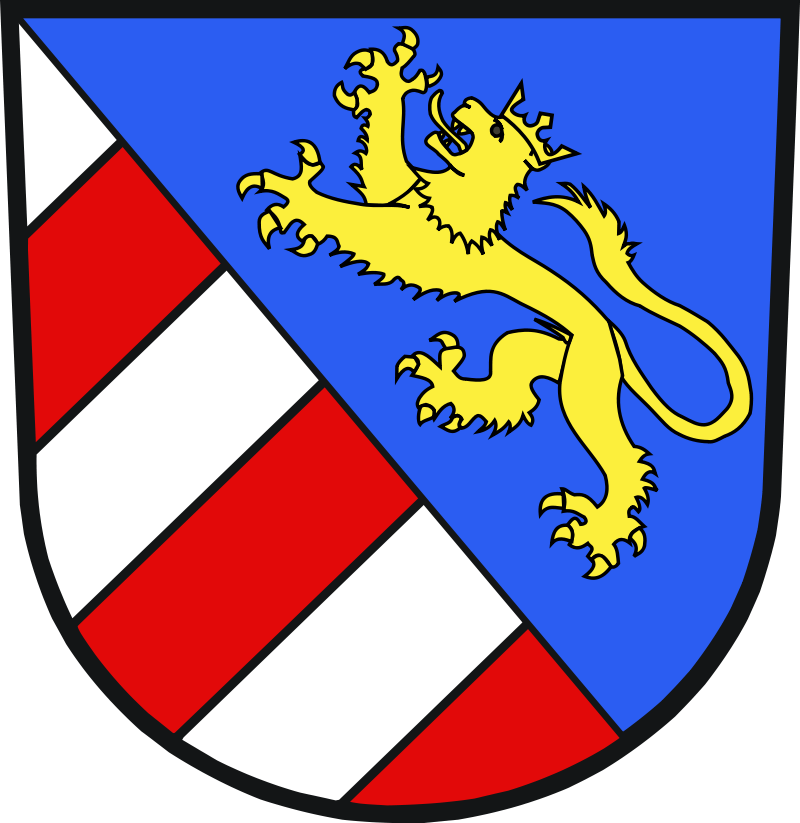
The County of Gorizia is a small state located in the heart of the Holy Roman Empire, nestled between the Julian Alps and the Adriatic Sea. It is known for its picturesque streets, rich history, and vibrant culture.
- Coat of Arms/Flag:
- Country: Holy Roman Empire
- Capital City: Gorizia
- Other Settlements: Nova Gorica (across the border in Slovenia)
- Current Ruler: Countess Isabella von Habsburg
- Local ruler: The County of Gorizia is an autonomous state within the Holy Roman Empire, ruled by the Count or Countess of Gorizia.
- Government: The County of Gorizia operates under a feudal system, with the local ruler holding power and paying allegiance to the Holy Roman Emperor.
- Legislature: The county council is the legislative body of the County of Gorizia, with members appointed by the local ruler.
- Demographics: The County of Gorizia has a population of around 33,000 people, mostly made up of Germans, Italians, and Slovenians.
- Languages: Latin is the official language of the Holy Roman Empire, but German, Italian, and Slovenian are also widely spoken in the County of Gorizia.
- Population: The County of Gorizia has a population of around 33,000 people.
- Religion(s): Local Alpine, civic, household, court and ancestral traditions.
- Places of interest: Gorizia Castle, Piazza della Vittoria, The Cathedral of St. Ignatius of Loyola, The Synagogue of Gorizia, The Old Bridge.
- Other Notable residents: Giuseppe Tomasi di Lampedusa, author of “The Leopard”
The County of Gorizia is a state of great historical and cultural significance within the Holy Roman Empire. It has a rich history that dates back to the Roman Empire, and has been ruled by various powers throughout the centuries, including the Austro-Hungarian Empire. The county is known for its beautiful architecture, including the Gorizia Castle and the Cathedral of St. Ignatius of Loyola.
The county also has a strong dwarven artisan and mining community, centred on stoneworking yards, metalworkers, assayers and a fortified guildhall used for contracts, storage and arbitration. Gorizia lies on important routes between the Alpine, Adriatic and imperial worlds, and its surrounding uplands are also associated with giant and mountain-spirit traditions.
Keep this reference growing
If this page helped with your reading or game, you can support its upkeep or explore the curated books.
Explore the Bookshop — epics, classics and stories behind imagined worlds.