
Electorate of Cologne (Kurfürstentum Köln)
“A theocratic stronghold of electors, holy warriors, and cloistered power, ruling the Rhine’s countryside from the archiepiscopal throne-city of Bonn.”
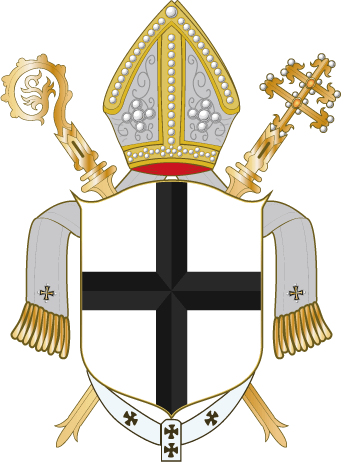
Type: Ecclesiastical Principality • Seat: Bonn • Imperial Status: Prince-Elector
Alignment: LN (theocratic, orderly, hierarchical)
Overview
The Electorate of Cologne is one of the most prestigious ecclesiastical states of the Holy Roman Empire. The realm is governed by the Prince-Archbishop of Cologne, who holds spiritual authority, territorial jurisdiction, and the coveted dignity of Imperial Elector. Despite his title, the archbishop exercises no authority within the Free Imperial City of Cologne; instead, he rules a constellation of rural lands, abbeys, villages, and river fortresses from his court in Bonn.
The Electorate’s identity is defined by the interplay of canon law, noble privilege, monastic wealth, and political ceremony. Cloisters and cathedral schools shape its intellectual life, while knightly households and river fortifications secure its borders.
Territory
The Electorate consists of scattered holdings along the Middle and Lower Rhine, including:
- Bonn, the administrative residence and de facto capital
- Ecclesiastical estates, abbeys, and monastic domains
- Fortified towns and river crossings controlling regional trade
- Outlying districts held in feudal or religious tenure
The city of Cologne remains a separate, independent entity.
Government & Authority
Rule is vested in the Prince-Archbishop, supported by:
- The Cathedral Chapter (canon clergy and noble clergy)
- Ministerial officials and monastic stewards
- Knightly vassals responsible for military service
- Ecclesiastical courts enforcing strict legal order
The governance of the Electorate blends spiritual oversight with pragmatic territorial management.
Imperial Role
As one of the Empire’s elite Electors, the prince-archbishop participates directly in selecting the Holy Roman Emperor. This privilege grants the Electorate an influence far beyond its size and makes Bonn a regular center of diplomatic activity.
Economy
The principality maintains a stable, land-based economy built upon:
- Monastic estates and agricultural production
- Rhine toll stations and river traffic
- Tithes, rents, and ecclesiastical incomes
- Artisanal workshops in episcopal towns
The Electorate’s economic strength lies in reliability, not urban dynamism.
Culture & Identity
The realm’s culture is deeply shaped by its religious institutions. Cathedrals, monasteries, and libraries foster learning, piety, and administrative expertise. Nobility and clergy intertwine socially and politically, reinforcing a strongly hierarchical order grounded in religious legitimacy.
Military
The Electorate maintains:
- Knightly retinues sworn to the archbishop
- Rural levies raised from episcopal estates
- Castle garrisons guarding river routes
- Limited siege capability and fortified strongholds
Its forces prioritize defense, border security, and enforcement of ecclesiastical authority.
Relations with the Free Imperial City of Cologne
The Electorate coexists uneasily with the wealthy, self-governing city that expelled the archbishop’s authority after 1288. Tensions persist over toll rights, trade, ecclesiastical jurisdiction, and political prestige. The rivalry is one of city-republic vs. theocratic principality, shaping regional dynamics for centuries.
Settlement Modifiers
(For the Electorate as a whole; adjust for local communities.)
- Corruption: +1
- Crime: –1
- Economy: +2
- Law: +3
- Lore: +2
- Society: +1
Pathfinder Settlement Statblock
Electorate of Cologne
Large City-State (Theocratic Principality); LN
Population: 32,000 (Bonn 12,000; remainder in estates and villages)
Notable Races: Humans (majority), dwarves (masons), halflings (river traders), minority communities
Government: Theocratic (Prince-Archbishop & Cathedral Chapter)
Qualities: Academic, fortified, holy site, pious, prosperous estates, seat of power, river-trade hub
Dangers: Political intrigue, outlaw knights, heretical movements, smuggling, border tensions
Marketplace
- Base Value: 6,000 gp
- Purchase Limit: 40,000 gp
- Spellcasting: Up to 6th level (higher within cathedral precincts)
- Minor Items: 3d4
- Medium Items: 1d6
- Major Items: 1d4 (often restricted, usually ecclesiastical treasures or relics)
Major Sites
- Archiepiscopal Palace & Bonn Cathedral – seat of the Elector and spiritual authority
- Castle Godesburg – river fortress controlling key Rhine traffic
- Monasteries of Siegburg and Heisterbach – centers of learning and scriptoria
- Chapter Archives – political records, theological manuscripts, and restricted relic vaults
- Rhine Toll Stations – lucrative, heavily regulated river checkpoints
Key NPCs
- Prince-Archbishop (LN male human cleric 13) – devout, diplomatic, formidable in politics
- Canon Provost (LN male human expert 8/aristocrat 2) – master of bureaucracy and finance
- Knight-Marshal (LG female human paladin 10) – commander of episcopal martial forces
- Monastic Scholar (N male dwarf cleric 7) – keeper of relics and esoteric lore
Keep this reference growing
If this page helped with your reading or game, you can support its upkeep or explore the curated books.
Explore the Bookshop — epics, classics and stories behind imagined worlds.