
 Buy me a coffee
Prestidigitation Spell: Minor Wonders, Arcane Tricks, Magical Cleaning, and Everyday Enchantments
A novice’s first miracle: too small to win a battle, too useful to ignore.

Prestidigitation is the spell of little wonders. It warms wine, chills water, brightens a cloak, soils a noble’s sleeve, cleans blood from a blade, flavours stale bread, marks a surface, perfumes a glove, lights a candle, or conjures a harmless bauble for a moment of theatre.
Its power is not force. It is convenience, polish, mischief, and control over the small details of the physical world. Prestidigitation is the spell that separates the trained caster from the charlatan, the court magician from the hedge-prankster, and the careful adventurer from the one who sleeps in mud because no one prepared the simplest magic.
The ruling spine is simple: Prestidigitation can change presentation, not substance.
Quick Rules Reference
- Prestidigitation creates minor magical effects only.
- It cannot deal damage, impose conditions, or break concentration.
- It cannot copy another spell.
- It cannot create useful tools, weapons, keys, coins, seals, medicines, food, or spell components.
- It can clean, soil, colour, warm, chill, flavour, mark, decorate, light, snuff, or create harmless sensory tricks.
- It may support a skill check, disguise, performance, or social trick, but it does not replace one.
- The spell changes appearance, comfort, taste, cleanliness, or presentation; it does not change safety, value, truth, structure, or function.
- If a proposed use would replace another spell, tool, proficiency, class feature, or meaningful risk, Prestidigitation is too weak to do it.
Effect
Prestidigitation allows the caster to perform a sequence of harmless minor magical tricks within close reach. These effects are deliberately small. The spell can make sour wine taste pleasant, remove mud from boots, perfume a glove, chill a bottle, warm a blanket, place a temporary sigil on a door, colour a scrap of cloth, light a candle, or create a crude magical trinket that cannot survive serious use.
At the table, Prestidigitation should feel flexible but not unlimited. It is a cantrip of finishing touches, not a substitute for proper spells, tools, skills, craft, medicine, stealth, lockpicking, illusion magic, or attack magic.
When in doubt, allow the spell to alter presentation, comfort, or surface condition, but not utility, danger, truth, value, or function.
Mechanics Tabs
The rules below are mechanics compatible for different game editions.
Prestidigitation 5.5e / 2024
Prestidigitation, Pathfinder 1e / 3.5e
Prestidigitation 3.0e
Prestidigitation 5.5e / 2024

Transmutation Cantrip
Casting Time: Action
Range: 10 feet
Components: V, S
Duration: Up to 1 hour, depending on effect
School: Transmutation
Spell Lists: Bard, Sorcerer, Wizard
Alternative Spell Name: Prestidigitation, “The Apprentice’s Thousand Little Miracles”
You create one minor magical effect within range. Choose one of the following effects:
- You create an instantaneous, harmless sensory effect, such as sparks, a puff of wind, a faint musical note, an odd odour, or a brief shimmer of colour.
- You instantaneously light or snuff a candle, lamp wick, pipe, taper, torch wick, or similar tiny flame.
- You instantaneously clean or soil an object or surface no larger than a 1-foot cube.
- You chill, warm, or flavour up to 1 cubic foot of nonliving material for up to 1 hour.
- You make a colour, a small mark, or a symbol appear on an object or surface for up to 1 hour.
- You create a tiny, harmless trinket or illusory image that fits in your hand. It lasts until the end of your next turn and cannot function as a tool, weapon, key, coin, seal, spell component, container, lockpick, medicine, or trade good.
You may have up to three non-instantaneous Prestidigitation effects active at once. If you create a fourth such effect, the oldest one ends.
Limits: Prestidigitation cannot deal damage, impose conditions, force movement, break concentration, purify food or drink, cure disease, neutralise poison, duplicate another spell, create functioning equipment, create accurate legal documents, or produce anything with lasting market value.
At Higher Levels: This cantrip does not scale with level.
Notes
Prestidigitation can support a disguise, performance, forgery attempt, etiquette scene, or social trick, but it does not replace the relevant ability check. A false perfume, clean robe, warmed cup, or temporary mark may grant advantage only when the detail genuinely helps the scene and cannot decide the whole challenge by itself.
It can remove ordinary dirt, mud, spilled wine, ash, soot, or fresh blood from clothing or gear, but it does not erase deeper traces, magical evidence, scent, witness memory, sacred signs, curses, brands, wounds, poison, disease, or rot unless the DM decides the mark is only mundane surface staining.
It can flavour poor food, but it does not make spoiled food safe. It can warm a blanket, but it does not protect against lethal cold. It can create a tiny trinket, but that trinket cannot hold weight, pick a lock, cut rope, complete a ritual, buy goods, or pass close inspection as a real object.
Prestidigitation may light or snuff a candle, lamp wick, pipe, taper, or torch wick, but it cannot spread fire, ignite a creature, create a combat flame, or replace a damaging fire spell.
Prestidigitation, Pathfinder 1e / 3.5e

Universal Cantrip
Level: Bard 0, Sorcerer/Wizard 0
Components: V, S
Casting Time: 1 standard action
Range: 10 ft.
Target, Effect, or Area: See text
Duration: 1 hour
Saving Throw: See text
Spell Resistance: No
Prestidigitation allows the caster to perform minor magical tricks for 1 hour. These effects are simple, harmless, and sharply limited.
During the duration, you may create small magical effects such as the following:
- Slowly lift or move up to 1 pound of material.
- Colour, clean, or soil items in a 1-foot cube each round.
- Chill, warm, or flavour up to 1 pound of nonliving material.
- Create crude, fragile, artificial-looking small objects.
- Produce harmless sensory flourishes such as faint sparks, odours, sounds, or tiny visual effects, subject to the DM’s approval.
Prestidigitation cannot deal damage, disrupt spellcasting concentration, create useful tools, create weapons, create spell components, duplicate another spell, or produce objects of real value. Created materials are fragile and artificial. They cannot function as proper equipment.
Any actual change to an object beyond moving, cleaning, soiling, warming, chilling, flavouring, or colouring lasts no longer than 1 hour.
Notes
Unattended objects receive no saving throw. If the spell affects an attended object, worn item, or contested social object, the creature holding or wearing it may attempt a Reflex save if the effect matters. The DM may instead call for an opposed Sleight of Hand, Spellcraft, Perception, or relevant skill check when the issue is concealment, timing, or notice rather than physical resistance.
Spell resistance does not normally apply unless the DM rules the effect is being forced directly through a creature’s magical protection.
Prestidigitation cannot clean a disease from flesh, poison from blood, rot from food, or truth from evidence. It can remove visible surface mess. It cannot change what happened.
A created object may be good enough for a joke, lesson, stage trick, or distraction, but it fails as a lockpick, blade, key, coin, legal seal, spell focus, spell component, holy symbol, medicine, or crafted good.
Prestidigitation 3.0e
“Unleash Mystical Marvels with Prestidigitation – The Ultimate Magical Swiss Army Knife for Wizards and Sorcerers!”
This material is Open Game Content, and is licensed for public use under the terms of the Open Game License v1.0a.
Universal
Level Bard 0, Sorcerer/Wizard 0
Components V, S
Casting Time 1 standard action
Range 10 ft.
Target, Effect, or Area See text
Duration 1 hour
Saving Throw See text
Spell Resistance No
Prestidigitations are minor tricks that novice spellcasters use for practice. Once cast, a prestidigitation spell enables you to perform simple magical effects for 1 hour. The effects are minor and have severe limitations. A prestidigitation can slowly lift 1 pound of material. It can color, clean, or soil items in a 1-foot cube each round. It can chill, warm, or flavor 1 pound of nonliving material.
It cannot deal damage or affect the Concentration of spellcasters. Prestidigitation can create small objects, but they look crude and artificial. The materials created by a prestidigitation spell are extremely fragile, and they cannot be used as tools, weapons, or spell components. Finally, a prestidigitation lacks the power to duplicate any other spell effects. Any actual change to an object (beyond just moving, cleaning, or soiling it) persists only 1 hour.
Rules Clarifications and Edge Cases
- Can it clean blood from clothing? Yes, if the blood is ordinary surface staining and within the spell’s size limit.
- Can it destroy evidence? Not reliably. It may remove visible mess, but it does not erase deeper traces, magic, witness memory, scent trails, sacred signs, or investigation consequences unless the evidence was only surface dirt.
- Can it purify food or drink? No. It can flavour, chill, or warm food, but spoiled, poisoned, cursed, diseased, or contaminated food remains unsafe.
- Can it fake a coin, gem, or seal? Only crudely and temporarily. It fails close inspection and has no real value.
- Can it make a key? No. A conjured object is too crude and fragile to function as a proper tool.
- Can it light a torch? It can light a torch wick if the edition version being used allows tiny flame effects. It cannot create a combat fireburst, spread fire, or ignite a creature.
- Can it clean a person? It can clean clothing, gear, hair, skin, and surface grime within reason. It cannot heal, cure, remove parasites from within the body, or replace bathing in a serious disease-control scene.
- Can it help with disguise? Yes, as support. It may improve scent, cleanliness, colour, or presentation, but it does not replace disguise magic or a disguise check.
- Can it distract a spellcaster? It may create a roleplay distraction, but it cannot mechanically disrupt concentration by itself.
- Can it make food taste like anything? Yes within reason, but taste is not nutrition, safety, or substance.
Good Combinations
- Mage Hand: Mage Hand performs simple remote manipulation while Prestidigitation handles cleaning, marking, flavour, scent, warmth, chill, and tiny sensory tricks.
- Minor Illusion: Prestidigitation adds scent, sparks, warmth, chill, or surface detail to make a small illusion feel more convincing.
- Mending: Prestidigitation cleans and presents the item; Mending repairs the actual break.
- Disguise Self: Prestidigitation supports the disguise with scent, surface cleanliness, temporary colour, or small presentation details.
- Unseen Servant: Unseen Servant does the labour; Prestidigitation supplies the polish, tidying, warming, flavouring, and small social touches.
Why This Spell Matters in the World
Prestidigitation is harmless in battle, but socially useful. A caster who can clean clothing, warm cups, perfume gloves, colour ribbons, soil documents, chill wine, and mark objects can influence hospitality, suspicion, courtly impression, trade presentation, ritual preparation, street performance, and petty revenge.
In noble houses, it is a servant’s dream and a steward’s anxiety. In markets, it creates fraud concerns. In temples, it may be dismissed as parlour magic until it interferes with offerings, relic handling, or ritual cleanliness. Among adventurers, it is the spell that makes long travel bearable: clean socks, warm food, dry gloves, fresh taste, and small comfort in places where comfort is otherwise gone.
Adventure Hooks
The Clean Blade
A duelist’s sword is spotless after a murder, but the blood vanished too quickly and too completely. The court mage insists it was only Prestidigitation. The victim’s family claims the cleaning was part of a ritual cover-up.
The Cup That Lied
A prince survives poisoned wine because a nervous apprentice had flavoured every cup at the feast and noticed one taste fighting back against the spell. Now every kitchen servant, cupbearer, and minor caster is under suspicion.
The Apprentice’s Mark
A row of temporary sigils appears each dawn on doors across the city. Most vanish within an hour. One does not. The permanent mark is not Prestidigitation at all, but someone is using apprentice magic to hide the pattern.
Historical and Mythic Context
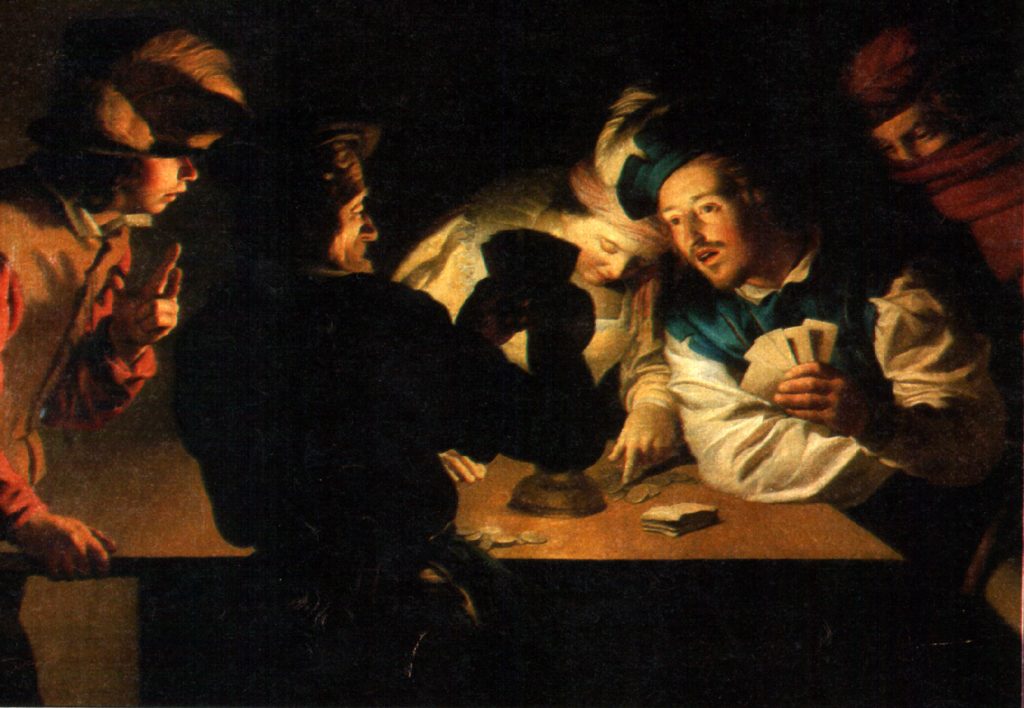
The word prestidigitation belongs to the tradition of sleight of hand, quick fingers, and theatrical conjuring. Merriam-Webster defines prestidigitation as sleight of hand or legerdemain, while Etymonline traces the word to nineteenth-century French prestidigitation, meaning feats of dexterity and skill, especially with the fingers. That origin suits the spell perfectly: Prestidigitation is not grand sorcery, divine miracle, or battle magic. It is the magic of small visible marvels, clever hands, and impossible little changes made right in front of the eye.
In older entertainment traditions, the conjurer’s art lived between wonder and deception. Britannica describes conjuring as the theatrical appearance of impossible acts, built from psychology, misdirection, manual dexterity, mechanical aids, and performance. In a magical campaign world, Prestidigitation turns that stage tradition into real cantrip-level spellcraft. The sparks are not fake. The cup truly warms. The mud genuinely leaves the cloak. The flavour in the bread is real. Yet the scale remains deliberately small: it is the wonder of the hand, not the thunder of the archmage.
This makes Prestidigitation especially useful for apprentices, hedge-magicians, travelling performers, court entertainers, temple assistants, noble servants, and adventurers who understand that small magic changes daily life. It belongs beside the juggler’s cup, the mountebank’s flourish, the court magician’s candle, and the apprentice’s first lesson in controlled power. Its mythic value is not that it conquers monsters, but that it shows a world where magic has entered the ordinary: food tastes better, boots become clean, candles answer a whispered word, and even the smallest act of will can make reality briefly more elegant.