
Philip Wharton — The Restless Duke
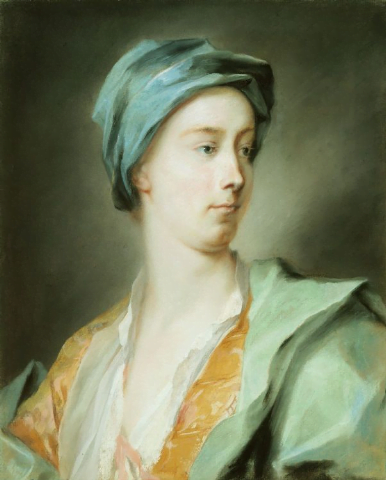
Wharton can obtain almost anything except the good sense to keep it once he has it.
Philip Wharton is a young great lord with money, wit, political access and a remarkable talent for turning every advantage into a fresh complication. He moves between factions too quickly to be trusted and too charmingly to be ignored. In the campaign he functions as the patron who can open a door no one else can open—and then make the party regret walking through it.
At a Glance
- Role: Great lord, political adventurer and unreliable patron
- Primary region: England, Scotland and continental courts
- Status: Alive and active
- Campaign use: Patron, faction switcher, scandal source, diplomatic wild card
- Power: CR 6 social rogue
Game Statistics
5.5e / 2024
Philip Wharton — CR 6 Medium Humanoid; AC 16; HP 68; Dex 16, Int 16, Cha 20. Skills Deception +9, History +7, Persuasion +10, Performance +9. Change of Allegiance. Once per scene Wharton can plausibly produce a new political contact, invitation or safe lodging; doing so creates one new obligation, rival or rumour. Daring Escape. Dash or Disengage as a bonus action. Privileged Guest. Advantage on checks to enter noble households where his identity is known.
Pathfinder 1e
Philip Wharton — CR 7 human aristocrat 4/rogue 3; hp 60; AC 20; Bluff +17, Diplomacy +18, Knowledge (nobility) +15, Ride +13; sneak attack +2d6; Leadership, Negotiator.
D&D 3.5e
Philip Wharton — CR 7 human aristocrat 4/rogue 3; hp 51; AC 19; Bluff +16, Diplomacy +17, Knowledge (nobility) +14; sneak attack +2d6; Leadership, Negotiator, Deceitful.
What Is Philip Wharton Doing Right Now?
Wharton has promised the same set of armed retainers to two rival political patrons and now needs a third party to prevent either side discovering the arrangement before he can choose which promise to honour.
He also possesses a letter linking one faction to a secret meeting. He claims he wants to sell it. In reality he has not yet decided whether blackmail, loyalty or theatrical revelation would be more entertaining.
Encounters
- Wharton offers the party a splendid horse before revealing it belongs to someone else.
- A diplomatic introduction is genuine, but the obligation attached to it is not disclosed.
- He changes sides during a negotiation because he becomes convinced the losing side is more interesting.
- Creditors seize baggage containing politically sensitive letters.
Personality, Appearance and Manner
Charming, restless, intelligent and addicted to motion. Wharton often understands consequences perfectly and proceeds anyway.
He dresses at the upper edge of fashion, travels with too much baggage and speaks as though every disaster is the opening of a better story.
Relationships and Influence
- Political factions: each believes it can use him without being used.
- Creditors: know his promises are valuable until they are not.
- Courtiers: enjoy his company while keeping private letters locked.
- Adventurers: exactly the sort of capable outsiders he needs when formal servants become too visible.
Equipment and Possessions
- Fine sword and riding horse
- Seals and letters from multiple factions
- Expensive clothing and travel chest
- Borrowed money and unpaid bills
- Passes, invitations and disputed credentials
Using This NPC at the Table
Wharton uses status, mobility and surprise alliances. In a fight he retreats behind retainers or escapes; his real challenge is deciding whether his offer is opportunity or contamination.
Adventure Hooks
- Two Promises: both factions arrive to collect the same service.
- The Seized Trunk: creditors accidentally acquire treasonous correspondence.
- The Sudden Defection: Wharton switches sides in the middle of the party’s mission.
- The Borrowed Horse: a small theft exposes a major diplomatic problem.
- The Last Favour: helping Wharton once creates obligations in three courts.
Related Places and People
Sources and Adaptation
Inspired by Philip Wharton, 1st Duke of Wharton, adapted into a fifteenth-century volatile noble patron whose political instability and charisma remain the central gameable traits.
Keep this reference growing
If this page helped with your reading or game, you can support its upkeep or explore the curated books.
Explore the Bookshop — epics, classics and stories behind imagined worlds.