
Amelia Dyer — Keeper of the Quiet House
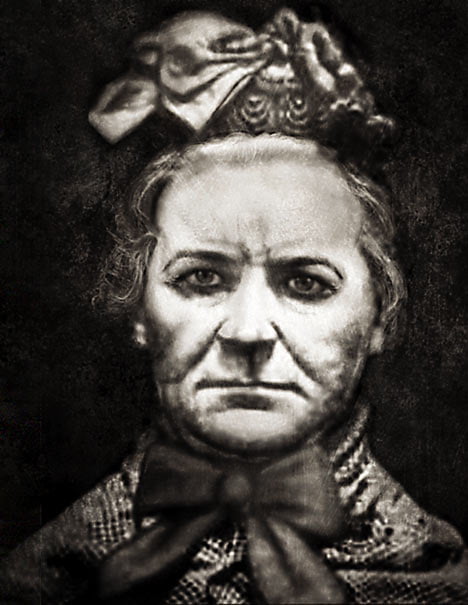
A respectable keeper of lodgings in Reading has learned that poverty, missing paperwork and hurried officials can hide a pattern for far too long.
Amelia Dyer runs a modest house that takes in unwanted infants, abandoned children and desperate mothers for a fee. In public she is brisk, experienced and apparently charitable. In private she treats vulnerable lives as entries in a ledger. Her danger comes less from open combat than from the ease with which a respectable face can exploit people who have nowhere else to go. The campaign version places her in Reading as an active urban-horror antagonist whose crimes are uncovered through records, neighbours, missing payments and testimony rather than graphic description.
At a Glance
- Role: Predatory caretaker, confidence criminal and hidden murderer
- Primary region: Reading and the Thames road
- Status: Alive and active
- Campaign use: Investigation target, false benefactor, protected suspect
- Threat: Social concealment, poison, vulnerable victims and manipulated records
Game Statistics
5.5e / 2024
Amelia Dyer — CR 5 Medium Humanoid; AC 13; HP 58; Speed 30 ft.; Dex 14, Int 16, Wis 15, Cha 17. Skills Deception +9, Insight +6, Medicine +6, Persuasion +7, Sleight of Hand +6. Respectable Mask. Amelia has advantage on Deception checks made to appear harmless, competent or professionally respectable. Prepared Draught. A creature that consumes medicine secretly altered by Amelia must succeed on a DC 15 Constitution save or become Poisoned for 1 hour; this ability represents a prepared plot device, not an improvised combat recipe. Destroy the Paper Trail. Once per scene she may impose disadvantage on one Investigation check concerning her household unless investigators first secure her ledgers or a witness.
Amelia Dyer — 5e / 2014
Medium humanoid (human), neutral evil
Armor Class 13; Hit Points 58; Speed 30 ft.; Challenge 1 (200 XP; proficiency bonus +2, personal combat only).
STR 9 (−1), DEX 14 (+2), CON 12 (+1), INT 16 (+3), WIS 15 (+2), CHA 17 (+3).
Saving Throws Wis +4, Cha +5; Skills Deception +7 (expertise), Insight +4, Investigation +5, Medicine +4, Persuasion +5, Sleight of Hand +4; Senses passive Perception 12; Languages English.
Traits
Respectable Mask. Dyer has advantage on Charisma (Deception) checks to appear harmless or to present genuine qualifications, but witnesses and verifiable records can expose falsehoods.
Household Paper Trail. She has advantage on Intelligence checks to understand or deliberately obfuscate payments, lodging records and correspondence. Investigators who secure ledgers or witnesses can make normal opposed checks.
Prepared Draught (Scenario Only). A creature already exposed to a poisoned preparation established by the GM must make a DC 15 Constitution saving throw or be poisoned for one hour. No ingredients, preparation method or improvised combat crafting are supplied by this trait.
Actions
Dagger. Melee or Ranged Weapon Attack: +4 to hit, reach 5 ft. or range 20/60 ft., one target. Hit: 4 (1d4 + 2) piercing damage.
Falsify the Record (1/Scene). Dyer may impose disadvantage on a single Intelligence (Investigation) check against a false household record if investigators have neither authenticated documents nor credible witness accounts. This ability is ineffective once the falsification is proven.
Original 5e/2014 noncombat antagonist. Crimes against vulnerable people are treated as serious investigative cases; never use victims as disposable atmosphere. The other editions and existing encounters are preserved.
Pathfinder 1e
Amelia Dyer — CR 6 human expert 6/rogue 2; hp 52; AC 17; Bluff +17, Disguise +14, Heal +13, Sense Motive +13, Sleight of Hand +14; sneak attack +1d6. Talents emphasise social camouflage, poison-use abstraction and evidence concealment rather than stand-up combat.
D&D 3.5e
Amelia Dyer — CR 6 human expert 6/rogue 2; hp 44; AC 16; Bluff +16, Disguise +13, Heal +12, Sense Motive +12, Sleight of Hand +13; sneak attack +1d6; Deceitful, Persuasive and Skill Focus (Bluff).
What Is Amelia Dyer Doing Right Now?
A clerk in Reading has noticed that several fees recorded in Amelia’s household ledger have no matching child in later parish-free civic records. He is frightened enough to copy the pages but not brave enough to accuse her openly.
Amelia knows someone is asking questions. She is shifting lodgers between addresses, calling in small debts and preparing to leave the town under another respectable arrangement if the investigation gets too close.
Encounters
- A neighbour insists Amelia is stern but charitable and becomes offended by accusations.
- A frightened servant has seen enough to matter but believes no official will protect her.
- A family asks the party to trace a child after Amelia claims the child was placed with travellers who cannot be found.
- Amelia attempts to turn investigators against one another by accusing a witness of theft.
Personality, Appearance and Manner
Controlled, observant and ruthlessly practical. Amelia rarely raises her voice; she prefers to make accusers look emotional while she appears reasonable.
She dresses as a respectable householder of modest means, keeps keys and account tablets close at hand, and speaks in the language of fees, shortages and practical necessity. At the table, the horror comes from the contrast between ordinary domestic routine and the pattern hidden beneath it.
Relationships and Influence
- Reading clerks: several know fragments of the paperwork but not the whole pattern.
- Landlords and neighbours: some defend her because she pays on time and appears useful.
- Servants: potential witnesses, often frightened and economically dependent.
- Families in crisis: her victims are people with few safe choices and little institutional leverage.
Equipment and Possessions
- Keys to several rooms and chests
- Household medicines and sealed jars
- Payment ledger, correspondence and coded placement notes
- Modest travelling chest and concealed emergency funds
- Ordinary kitchen and household tools
Using This NPC at the Table
Amelia should not behave like a dungeon assassin. She lies, delays, relocates evidence, pressures witnesses and seeks respectable allies first. If physically cornered, she attempts escape rather than a dramatic duel.
Adventure Hooks
- The Missing Names: copied account entries reveal six children with no later trace.
- The Helpful Neighbour: the person defending Amelia most strongly is unknowingly repeating a story she invented.
- Two Houses: evidence points to a second rented property on the Thames road.
- The Clerk’s Fear: the one official with enough evidence refuses to testify until the party can protect his family.
- The Wrong Accused: Amelia successfully directs suspicion toward an innocent servant.
Related Places and People
Mythical and Historical Context
The historical Amelia Dyer was arrested and convicted in 1896 for killing an infant in her care, amid a wider investigation into multiple deaths. She belongs to late-Victorian England, not 1454. The household villain on this page is an explicitly fictional medieval namesake, and her case should focus on locating witnesses, protecting those at risk, documenting what happened and securing justice—not sensational descriptions of harm. The Reading Museum’s contemporary 1896 broadside documents the later real case. The campaign’s local circumstances, household and rules are original fiction.
Sources and Adaptation
Inspired by the historical Amelia Dyer but deliberately translated into the fifteenth-century campaign. Later Victorian institutions and chronology are removed; the entry focuses on investigation, abuse of trust and the social mechanisms that conceal predation.
Keep this reference growing
If this page helped with your reading or game, you can support its upkeep or explore the curated books.
Explore the Bookshop — epics, classics and stories behind imagined worlds.