
Doctor Dolittle — Physician to Beasts and People
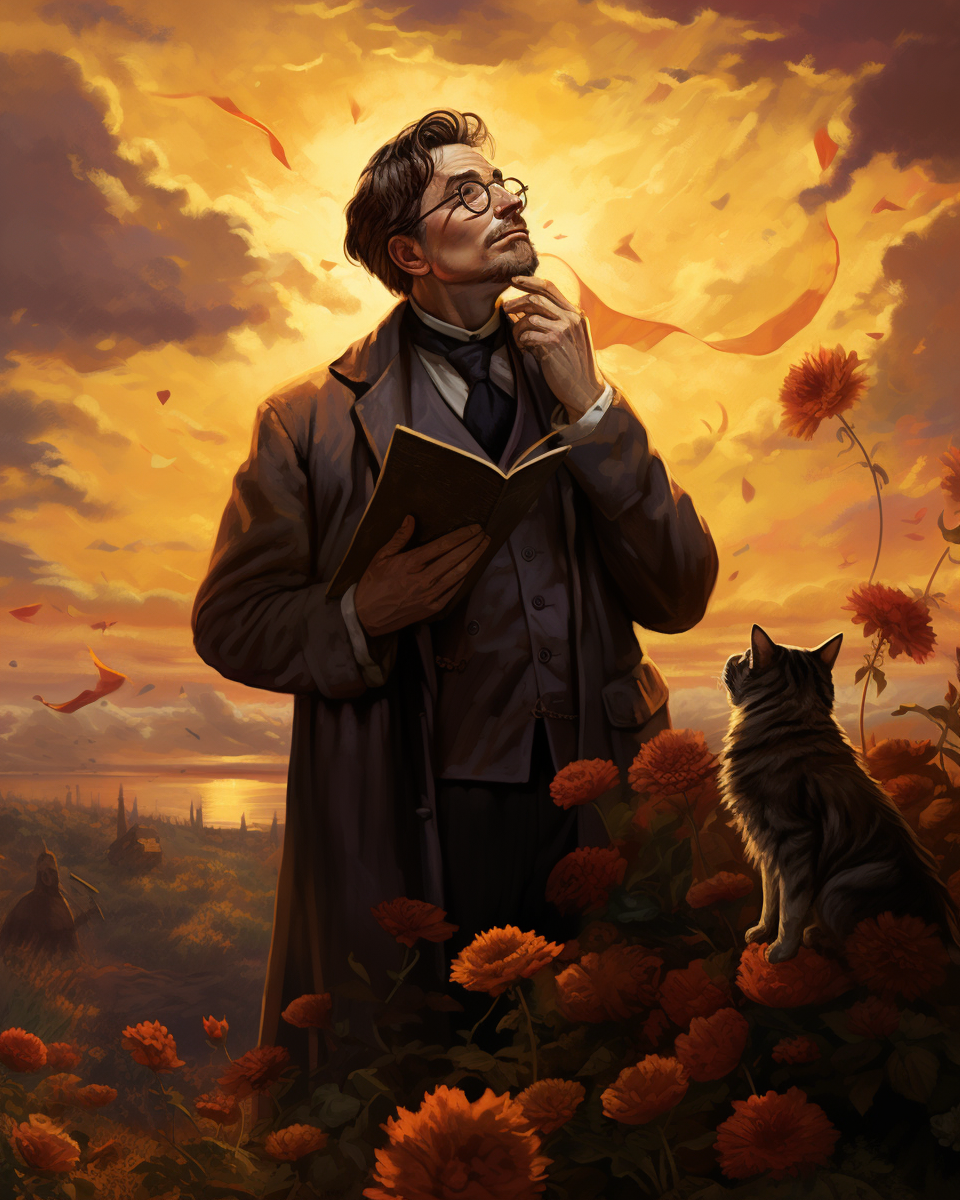
Doctor Dolittle speaks to animals as though the ability were merely another branch of medicine. Horses complain about saddles, ravens trade information for bright objects and cats remember exactly which stranger entered a house after midnight.
He is a physician and naturalist whose reputation among animals has become almost as important as his reputation among people. Adventurers seeking a nonhuman witness, an injured beast or an explanation for strange animal behaviour may find his household crowded with patients that do not use chairs.
At a Glance
- Name: Doctor Dolittle
- Species: Human
- Age: Early forties
- Base: England
- Role: Physician, naturalist and speaker with animals
- Alignment: Neutral Good
- Campaign status: Alive and active
- Campaign use: Healer, naturalist, animal-witness interpreter or unusual patron
Game Statistics
5.5e / 2024
Doctor Dolittle
Medium Humanoid (Human), Neutral Good
Armor Class 13
Hit Points 58 (9d8 + 18)
Speed 30 ft.
| STR | DEX | CON | INT | WIS | CHA |
|---|---|---|---|---|---|
| 9 (-1) | 12 (+1) | 14 (+2) | 18 (+4) | 18 (+4) | 16 (+3) |
Skills Animal Handling +10, Insight +7, Medicine +10, Nature +10
Challenge 4 (1,100 XP; PB +2)
Traits
Animal Speech. Dolittle can communicate verbally with Beasts as if continuously affected by Speak with Animals.
Trusted by Beasts. Unless magically controlled or starving, a Beast that can understand Dolittle does not begin hostile toward him without a specific reason.
Actions
Walking Staff. +1 to hit, 2 (1d6 – 1) Bludgeoning damage.
Physician’s Care (3/Day). Dolittle restores 10 (2d6 + 3) Hit Points to an adjacent creature.
Ask the Witness (1/Day). Dolittle questions nearby ordinary animals about one event from the previous 24 hours. Their answers reflect animal perception and intelligence rather than human legal precision.
Doctor Dolittle — 5e / 2014
Medium humanoid (human), neutral good
Armor Class 13; Hit Points 58 (9d8 + 18); Speed 30 ft.; Challenge 1 (200 XP; proficiency bonus +2), personal combat only.
STR 9 (−1), DEX 12 (+1), CON 14 (+2), INT 18 (+4), WIS 18 (+4), CHA 16 (+3).
Skills Animal Handling +8 (expertise), Insight +6, Medicine +8 (expertise), Nature +8 (expertise); Senses passive Perception 14; Languages English; can converse with ordinary beasts.
Traits
Animal Speech. Dolittle understands and speaks to beasts as if under a continuous speak with animals effect. Animals communicate according to their actual intelligence and experience.
Trusted by Beasts. A beast with no cause to distrust Dolittle begins as indifferent rather than hostile, unless starved, injured, magically controlled or protecting its young.
Actions
Walking Staff. Melee Weapon Attack: +1 to hit, reach 5 ft., one target. Hit: 2 (1d6 − 1) bludgeoning damage.
Physician’s Care (3/Day). Dolittle touches a willing creature and restores 10 (2d6 + 3) hit points. This extraordinary NPC gift is not an ordinary healer’s-kit use.
Ask the Witness (1/Day). Dolittle questions nearby willing beasts about an event in the last day; they can report sights, sounds and smells but not human legal or political conclusions.
Original 2014 animal physician adaptation, retaining existing narrative and three other rules editions. Animals are individuals, not free summoned combatants.
Pathfinder 1e
Doctor Dolittle CR 4; human expert 5/druid 2; NG Medium humanoid. Handle Animal +18, Heal +16, Knowledge (nature) +16, Linguistics +13, Sense Motive +12.
D&D 3.5e
Doctor Dolittle CR 4; human expert 5/druid 2; NG Medium humanoid. Animal Affinity, Skill Focus (Handle Animal), Track; Handle Animal +18, Heal +15, Knowledge (nature) +15.
What Is Doctor Dolittle Doing Right Now?
London’s cart horses have begun refusing one particular riverside lane after dark. Humans blame bad paving or nervous animals. The horses describe a smell like “cold iron under dead water” and insist something moves beneath the street when heavy carts pass.
Dolittle has asked Sherlock Holmes to examine the lane. Holmes has asked for mud samples. Dolittle has asked the horses what they want in exchange for returning.
Encounters
- A wounded horse refuses treatment until Dolittle persuades the party to remove the person it fears from the stable.
- A rook has seen a crime from above but describes streets by chimneys, rooflines and smells rather than human names.
- Dolittle asks the adventurers to escort an animal witness whose testimony threatens a powerful household.
- An apparently monstrous beast insists it is ill rather than hostile, forcing the party to decide whether to trust Dolittle’s diagnosis.
Personality
Kind, patient and almost completely unimpressed by rank, Dolittle treats animal complaints as seriously as human ones. He can seem absent-minded because he may interrupt a conversation to answer a bird.
Relationships
Professor Challenger: admires his knowledge and dislikes the volume at which it is delivered.
Sherlock Holmes: values animal witnesses once Dolittle translates what they actually perceived.
Equipment and Resources
- Medical bag and herbal preparations
- Field notebooks and specimen jars
- Animal feed used as payment
- Practical travel clothing
- An extraordinary network of animal acquaintances
Adventure Hooks
- The Horse Witness: the only living witness to a murder is a terrified cart horse.
- The Empty Rookery: every raven abandons one London district overnight.
- The Cat’s Price: a cat knows where a missing signet is hidden but demands the rescue of her kittens first.
- Challenger’s Specimen: an unfamiliar animal refuses to communicate because it does not recognise any earthly language.
Connected Places and People
Mythical and Historical Context
Doctor Dolittle is a fictional physician created by Hugh Lofting in The Story of Doctor Dolittle (1920), not a documented doctor living in 1454. His language with animals is treated here as genuine supernatural knowledge: a stable, rookery or market can become a network of witnesses without turning beasts into omniscient narrators. Consult the original story at Project Gutenberg for his literary origins. The medieval medical practice, adventure hooks and rules are original adaptations.
Literary Inspiration
Doctor Dolittle originates in Hugh Lofting’s stories. This version keeps the physician-naturalist and ability to converse with animals while placing him directly in the campaign age.
Rules Notes
The game statistics and campaign relationships are original adaptations.
Keep this reference growing
If this page helped with your reading or game, you can support its upkeep or explore the curated books.
Explore the Bookshop — epics, classics and stories behind imagined worlds.