
African Gods & Sacred Traditions
West Africa · Yoruba orishas · Akan story traditions · Living sacred traditions
At a Glance
| Scope | An umbrella hub for distinct African sacred traditions, not a single historical pantheon |
|---|---|
| Current core | Yoruba orishas and the Akan/West African Anansi tradition |
| Principal regions | West Africa, especially Yorubaland and Akan-speaking regions, with traditions carried into the Atlantic world |
| Campaign principle | Each deity keeps the people, language, landscape, ritual and mythic tradition from which that power comes |
| Best for | Sacred rivers, crossroads, kingship, divination, iron, storytelling, oath, healing, storms and household cult |
| Campaign present | Living worship, active divine powers and local cults within the wider world |
African religious traditions are too numerous and too different to collapse into a single divine family. The gods and sacred figures gathered here belong to particular peoples and mythic systems. Their stories overlap through travel, trade, conquest, migration and cultural exchange, but resemblance does not erase origin.
Akan Tradition
Anansi and the Akan Story World
Anansi belongs to Akan and wider West African story traditions rather than the Yoruba orisha network. He remains part of this African gods hub without being folded into an invented continent-wide pantheon.
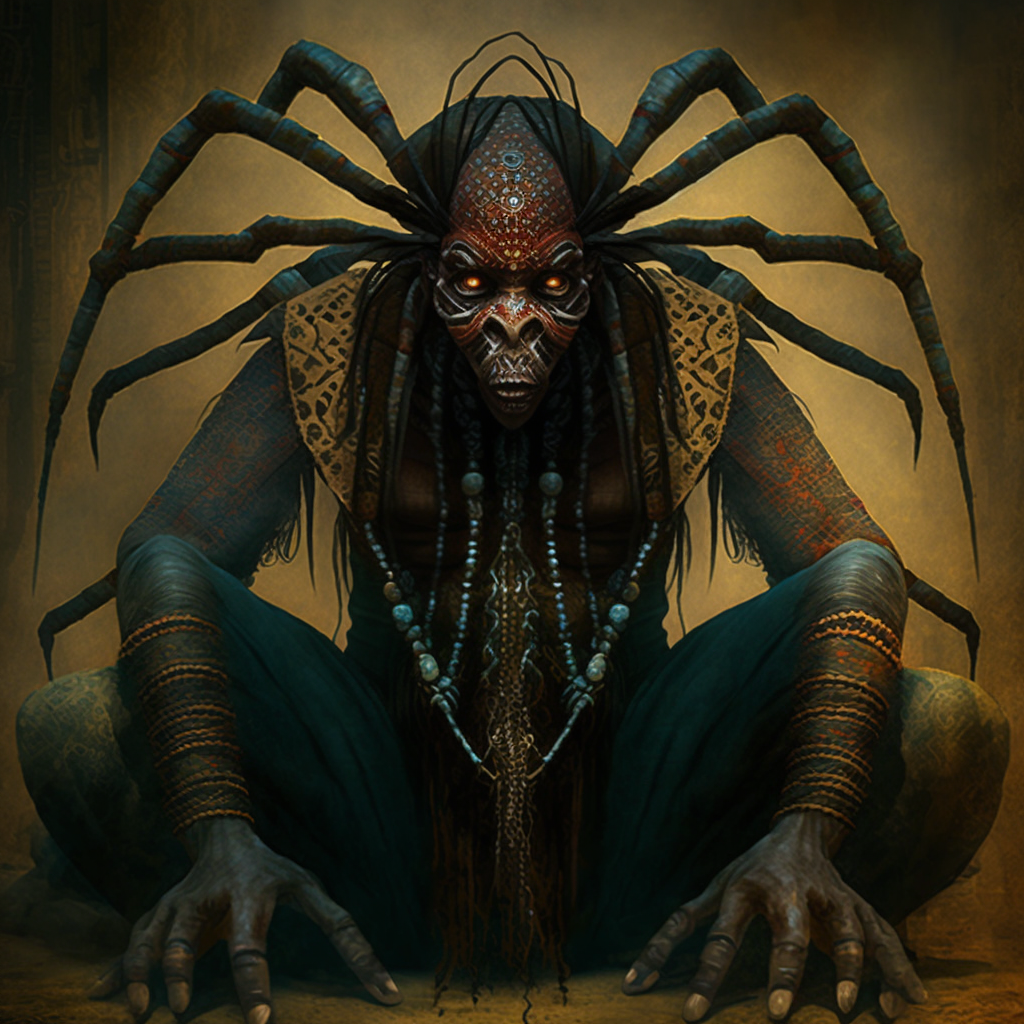
Anansi
Spider trickster, keeper of stories, culture hero and master of the victory won through wit rather than strength.
Yoruba Sacred World
The Orishas
These eleven linked entries form the current Yoruba core. Their myths, sacred landscapes, ritual relationships and later Atlantic forms remain distinct even where their stories intersect.
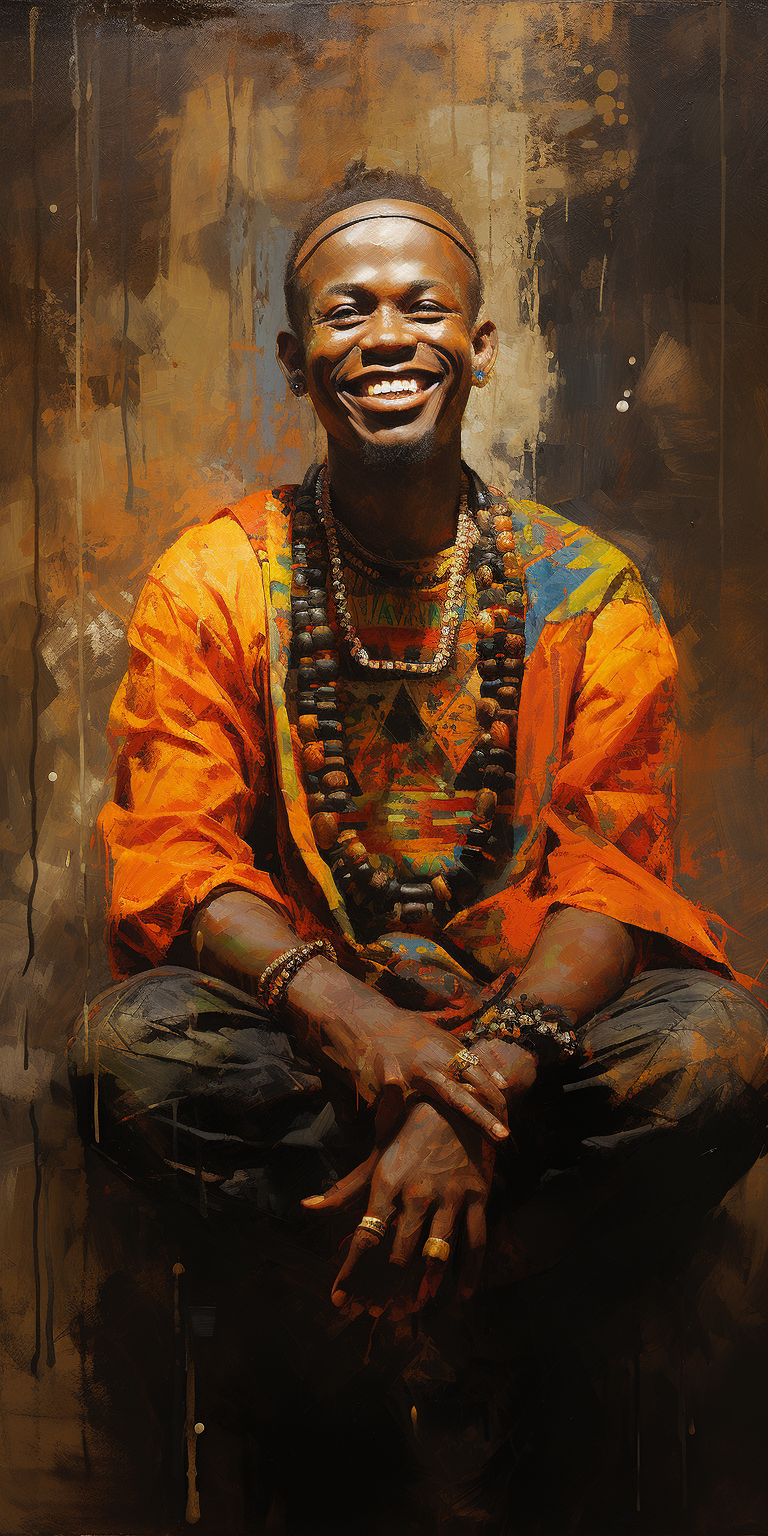
Eshu
Crossroads, communication, chance, change and the sacred consequences of choices and messages.
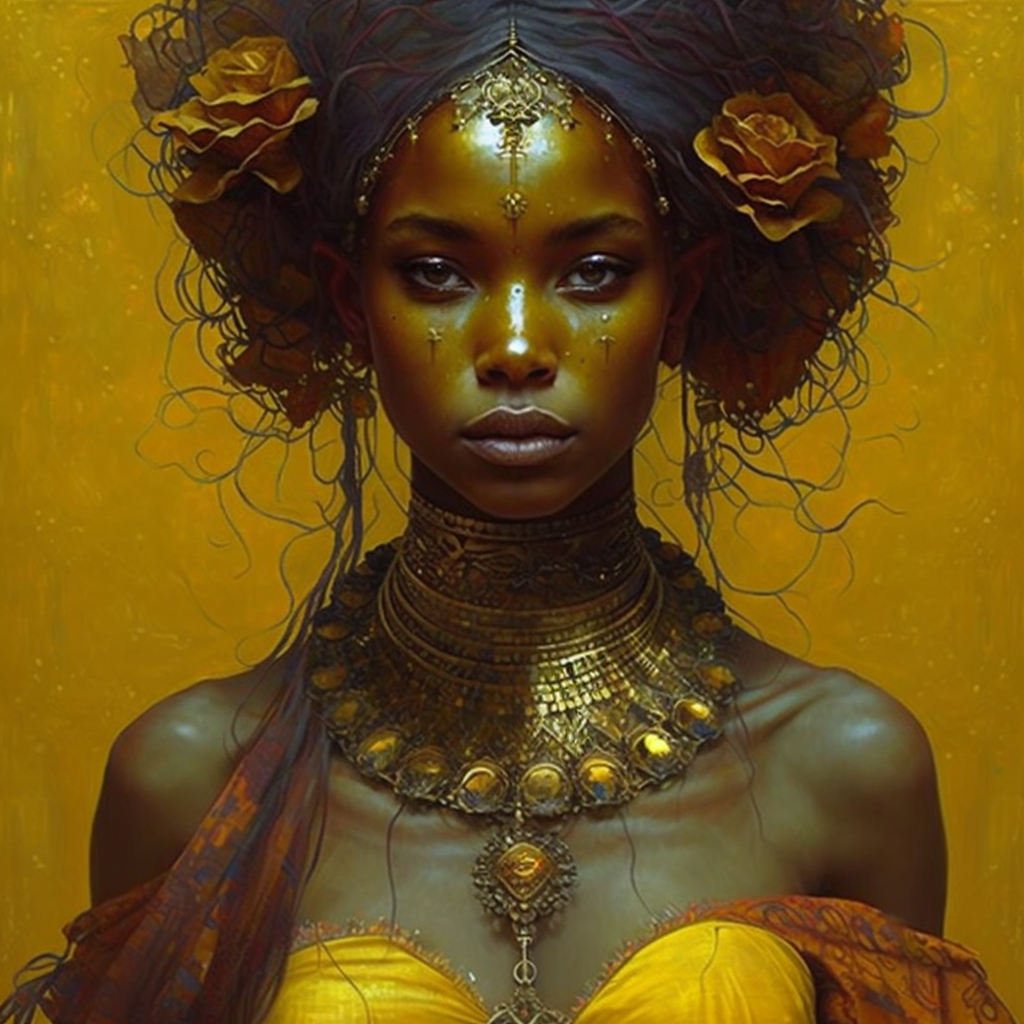
Oshun
River, fertility, healing, protection, prosperity and the life-giving power of fresh water.
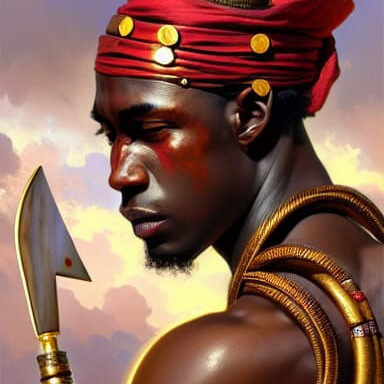
Shango
Thunder, lightning, royal authority, judgement, vitality and the double-headed axe.
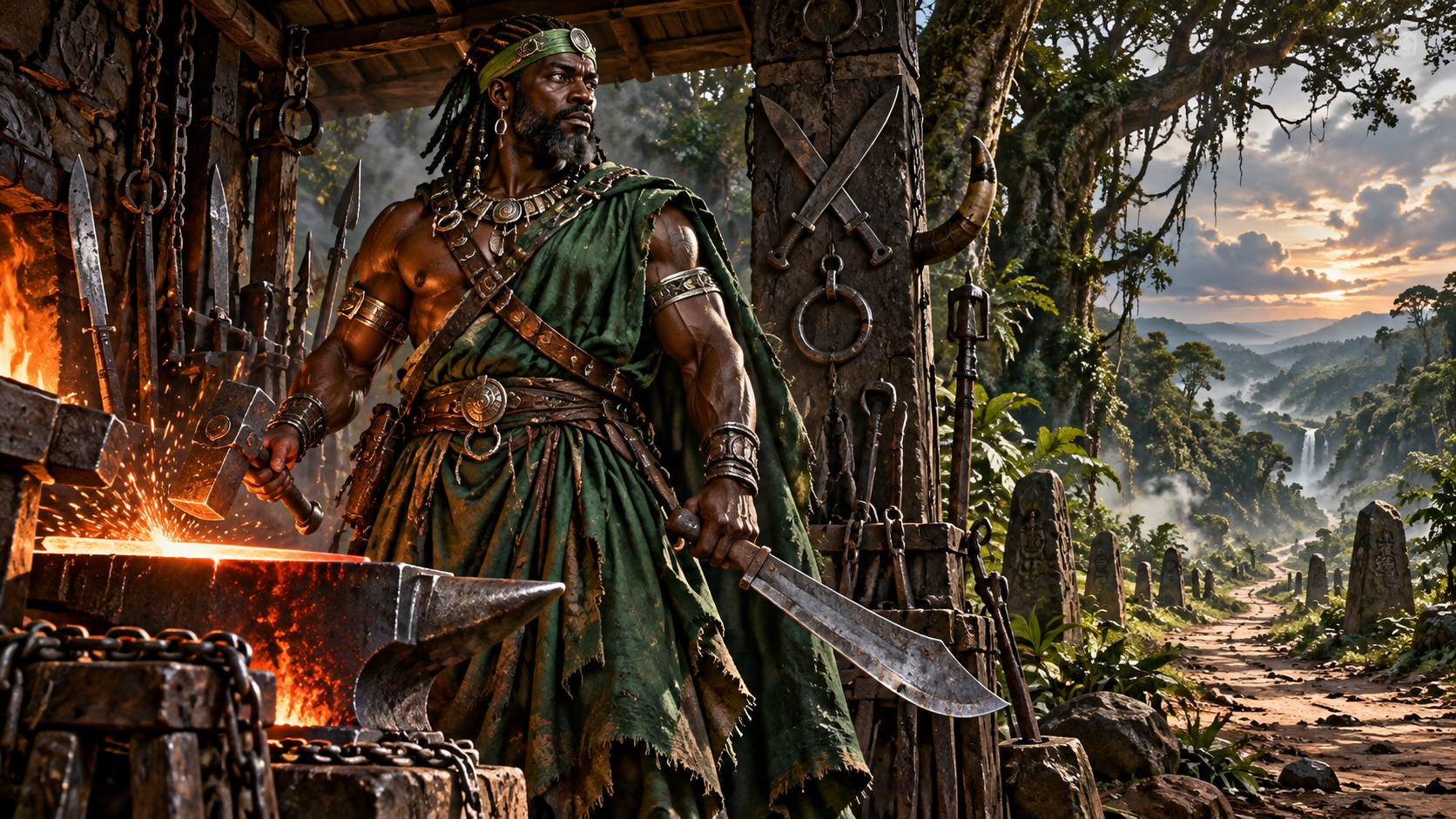
Ogun
Iron, forging, tools, roads, hunting, warfare, labour and sworn truth.
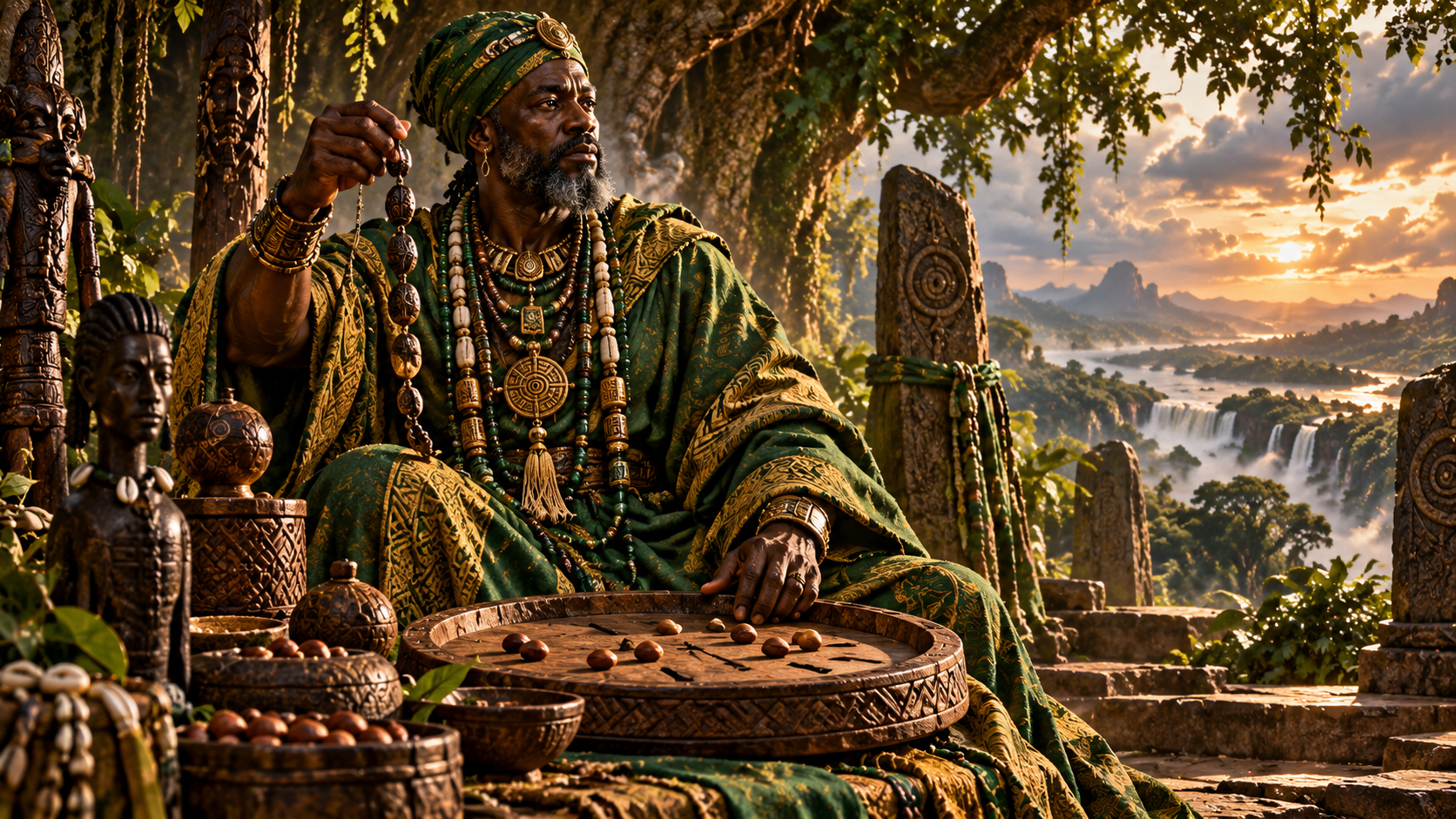
Orunmila
Wisdom, destiny and Ifa divination: reading hidden causes, consequences and the paths choices create.
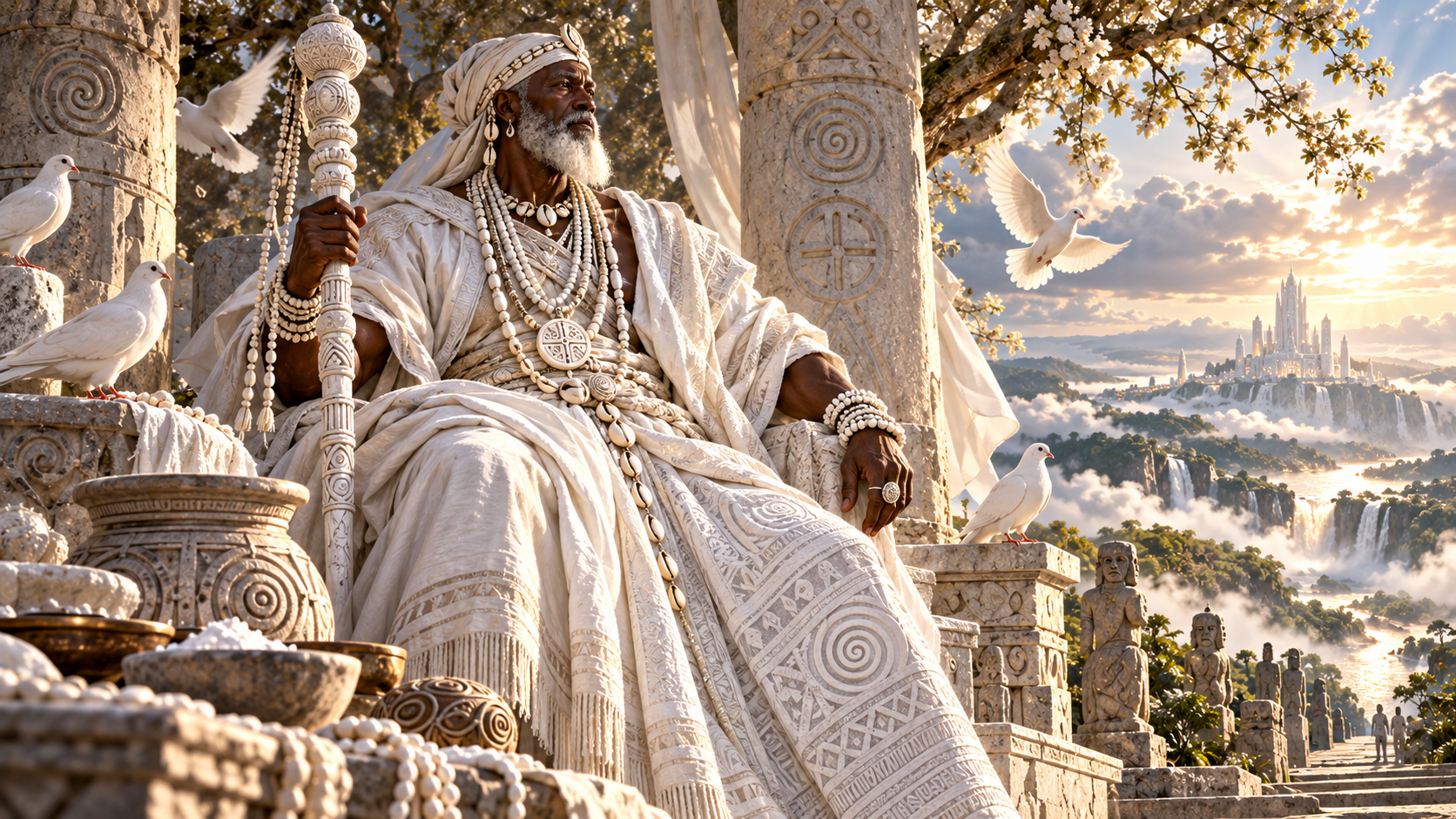
Obatala
Creation, white cloth, coolness, wisdom, moral authority and the sacred dignity of human form.
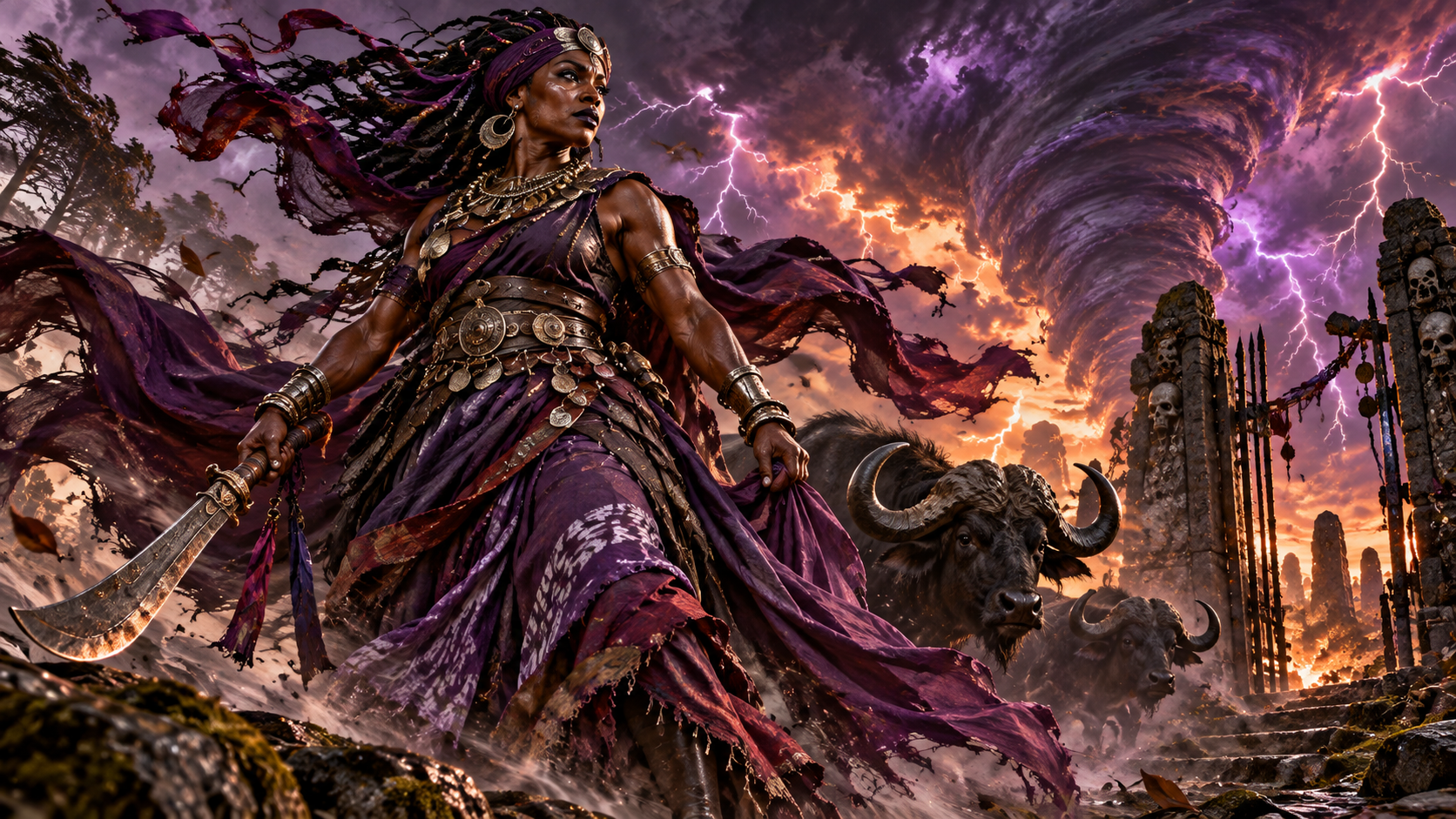
Oya
Wind, storm, transformation, upheaval and dangerous thresholds between the living, the dead and what comes next.
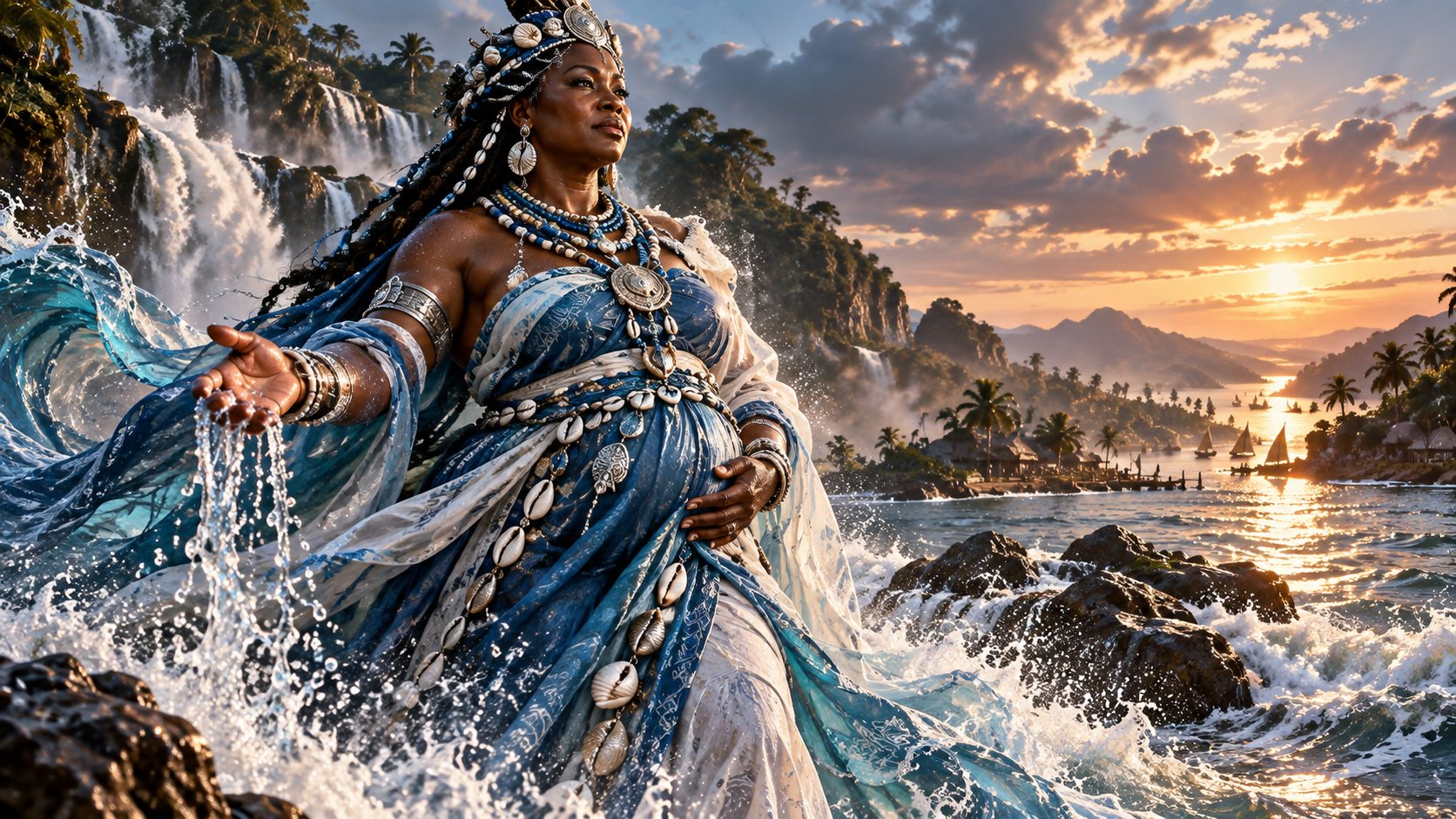
Yemoja
Rivers, fresh water, motherhood, children and protection, with later oceanic development in Atlantic traditions.
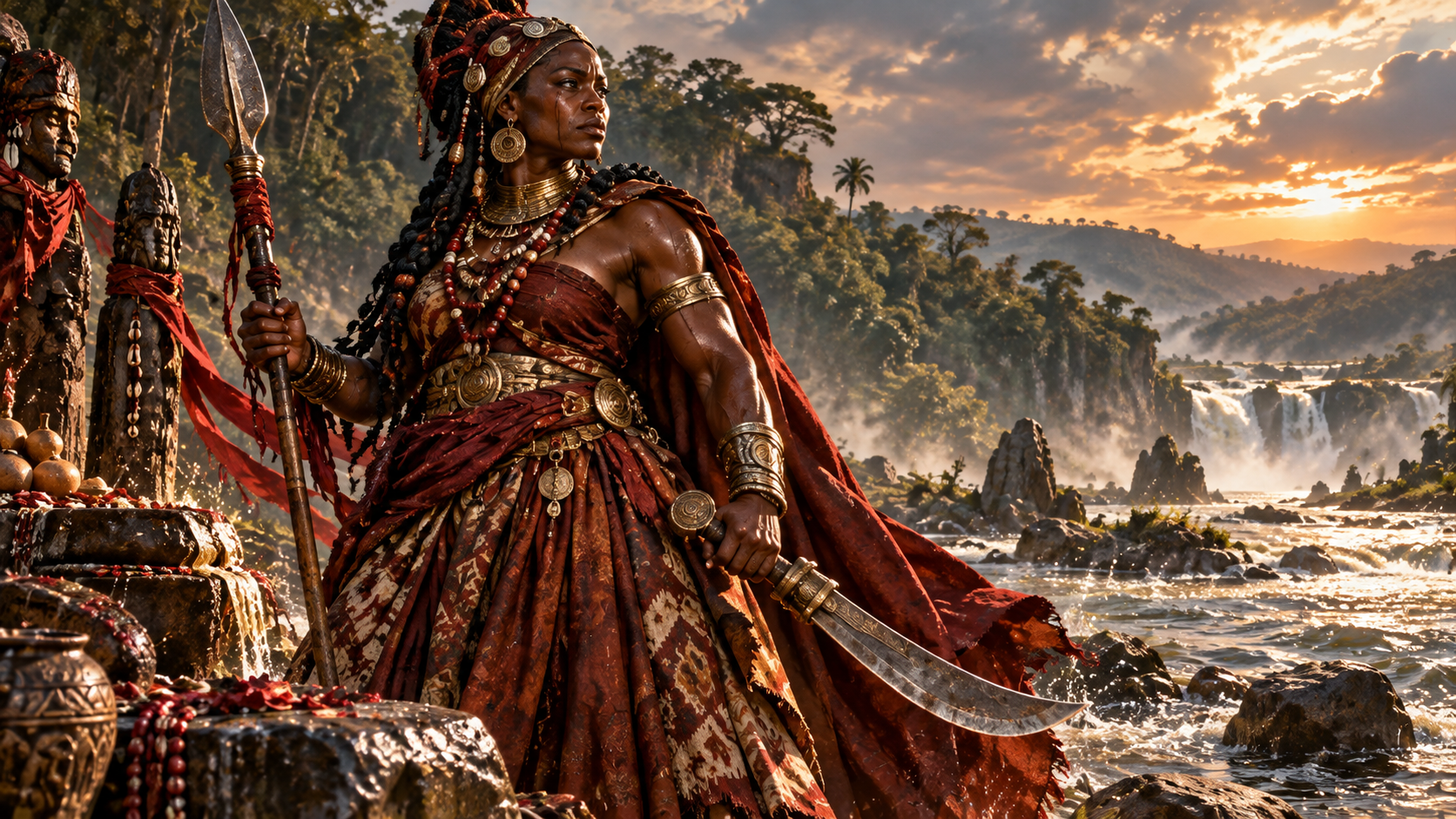
Obá
The Obá River, endurance, loyalty, marriage, obligation and the real weight of sacred promises.
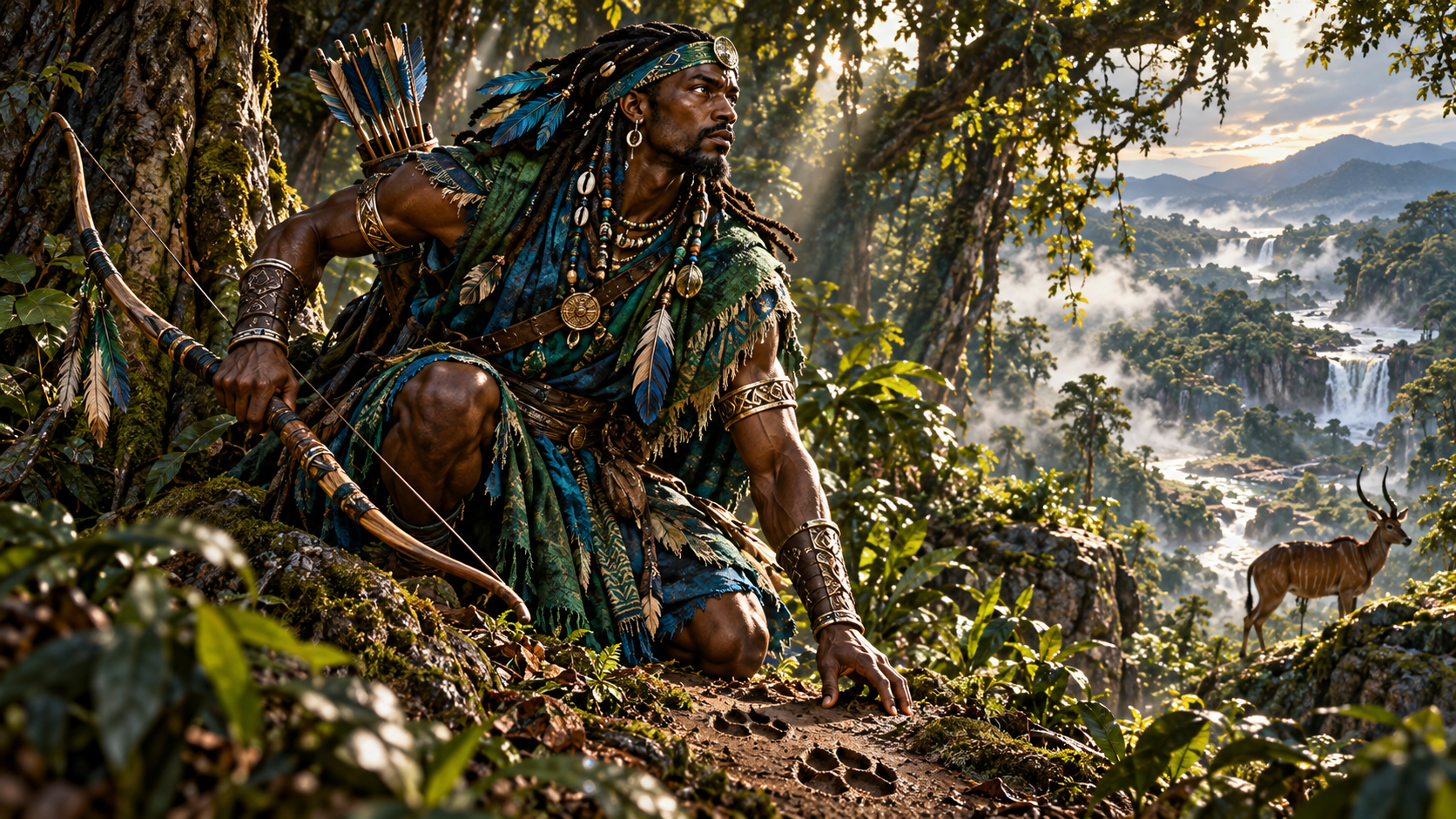
Oshosi
Hunting, tracking, forest stewardship, precision and justice for those who are wrongly pursued.
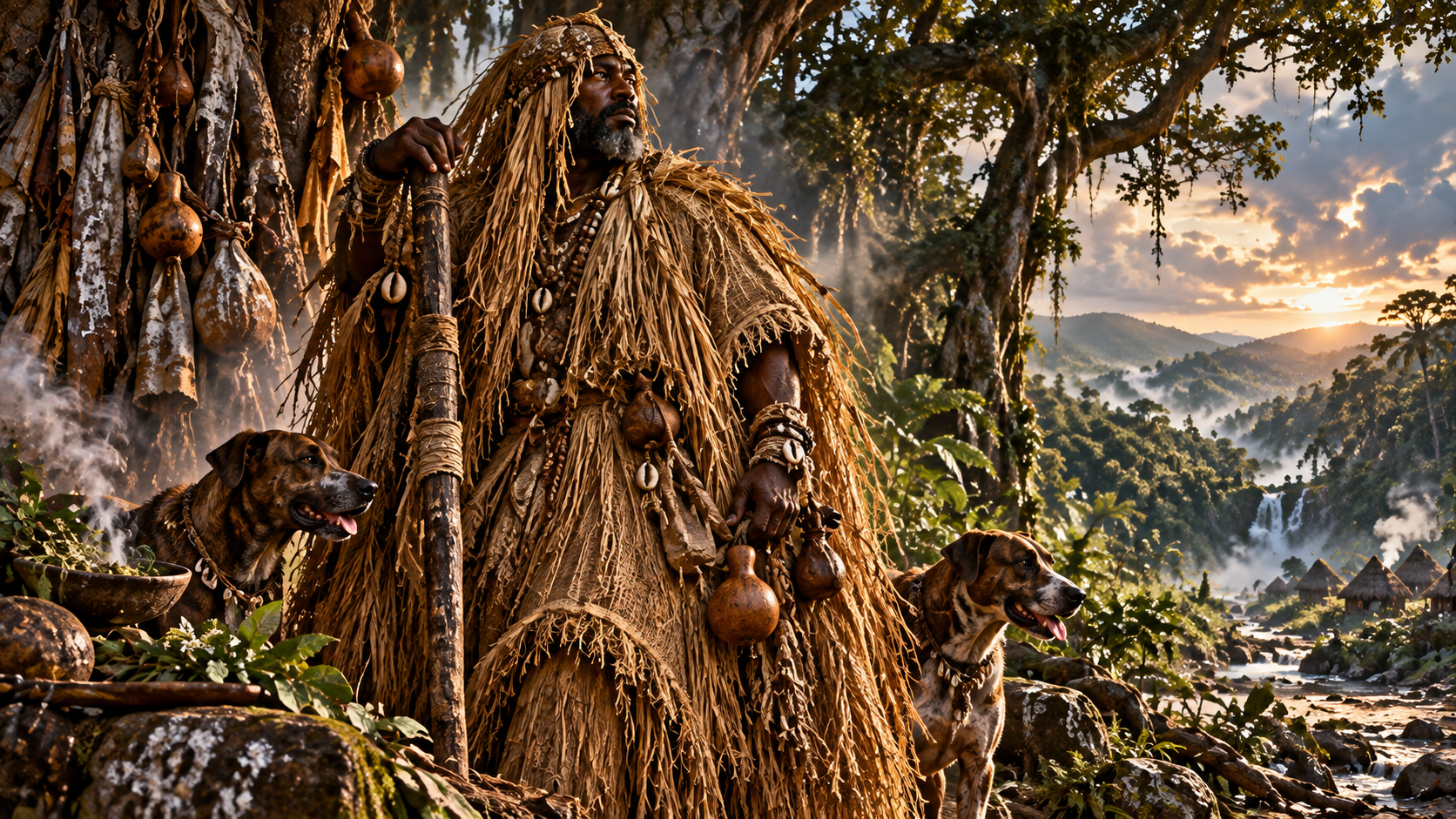
Babalú-Ayé / Ṣọ̀pọ̀na
Disease, suffering, healing, mortality and recovery, with fantasy mechanics clearly separated from real-world medicine.
Divine Powers in the World
Worship is local before it is abstract. A river community approaches a river power through the water, its shrine keepers, festivals and obligations. A smith invokes sacred relationships to iron through work, danger and oath. A traveller at a crossroads cares about the choice immediately ahead. A ruler confronting thunder reads a different kind of sign from a storyteller bargaining for the right tale.
That gives these traditions unusually strong campaign geography. Shrines belong beside rivers, market roads, compounds, groves, royal centres, smithies, divination spaces and burial grounds. Priests and ritual specialists hold authority because they know how a particular relationship is maintained, not merely because they can cast spells.
What Is Happening Right Now?
West African kingdoms, towns and trade routes carry sacred practice with them. Merchants swear oaths before dangerous journeys. Diviners interpret conflicts that rulers cannot solve by force. Thunder over a royal compound may become a political event. A damaged shrine can threaten the legitimacy of a local chief. A sacred river whose current changes overnight can stop commerce before anyone knows whether the cause is divine, magical or mortal.
The gods rarely need to appear bodily to shape events. Dreams, divination, possession, ritual failure, impossible weather, sacred animals, altered water, unexpected survival and the behaviour of consecrated objects can all announce that a divine relationship has changed.
Use This Cluster in Play
The Crossroads Debt
A caravan survives an impossible ambush after an offering is left at a crossroads. Weeks later, every road the merchants take bends back toward the same shrine until they discover what promise was made on their behalf.
The River Has Moved
A branch of a sacred river abandons its old channel overnight, exposing a buried sanctuary and cutting water from a settlement whose rulers claim divine favour. Priests, farmers and rivals all demand a different solution.
Thunder Over the Palace
A clear sky erupts with thunder above a royal compound during a succession dispute. One faction calls it Shango’s judgement; another insists a sorcerer staged the omen. Both are partly right.
The Story That Refuses to End
A storyteller begins an Anansi tale and discovers that nobody in the audience can leave until the missing ending is recovered from the person who stole it.
Iron That Rejects Its Owner
Weapons, tools and locks in one district begin breaking in the hands of people who have sworn a particular oath. The smiths know this is not ordinary bad metal.
Yeenoghu Is Not Part of This Pantheon
Yeenoghu belongs to the Abyssal history of gnolls and demonic corruption, not to an African traditional pantheon. Gnolls have their own older peoples, histories and sacred relationships; Yeenoghu is a destructive power that claimed and corrupted part of that history rather than a creator-god of Africa.
Historical and Living Context
The Osun-Osogbo Sacred Grove is recognised by UNESCO as a living sacred landscape associated with Osun, with continuing worship and annual festival traditions. The Smithsonian National Museum of African Art’s Shango staff provides material context for Shango’s thunder, kingship and double-axe symbolism.
These sources keep the cluster anchored in real peoples, places, objects and living traditions while the campaign layer adds active gods, planar relationships and game mechanics.
Next Divine Paths
The Yoruba core is now substantially connected. The strongest next expansion is to deepen links between these deity pages, Yoruba geography and historical centres, strengthen Anansi’s Akan network, and then build additional African traditions as clearly named regional or cultural clusters rather than extending a generic continental pantheon.
Keep this reference growing
If this page helped with your reading or game, you can support its upkeep or explore the curated books.
Explore the Bookshop — epics, classics and stories behind imagined worlds.