
Polynesian Gods & Sacred Traditions
Across the Pacific, gods, ancestors, sacred genealogies and living landscapes form related but distinct traditions. Hawaiʻi, Aotearoa, Tahiti, Samoa, Tonga and other island worlds share deep connections without becoming one interchangeable pantheon. Each deity profile follows its own local tradition first and notes wider Polynesian relationships where they matter.
At a Glance
| Tradition | Key Divine Figures | Campaign Lens |
|---|---|---|
| Māori | Ranginui, Papatūānuku, Tāne Mahuta, Tāwhirimātea, Tangaroa, Tūmatauenga, Rongo-mā-Tāne and Haumia-tiketike | Genealogy, living landscape, weather, forests, sea, cultivated and wild food, conflict and kinship |
| Hawaiian | Kāne, Kanaloa, Kū, Lono, Pele, Hiʻiaka, Haumea and related divine families | Volcanoes, ocean, freshwater, agriculture, rain, hula, ancestry and island landscapes |
| Tahitian and Society Islands | Taʻaroa, Tane, Tu, Roʻo and ʻOro | Creation, chiefly authority, war, knowledge and the sacred ordering of island communities |
| Samoan | Tagaloa, Nafanua and related sacred powers | Creation, political destiny, war, lineage and sacred history rooted in Samoa |
Similar names across island groups point to deep cultural relationships, but they do not erase local genealogy, ritual or landscape. A campaign encounter should begin with the tradition and place in which a god is being approached, then use wider Polynesian relationships as connections rather than replacements.
Explore the Gods
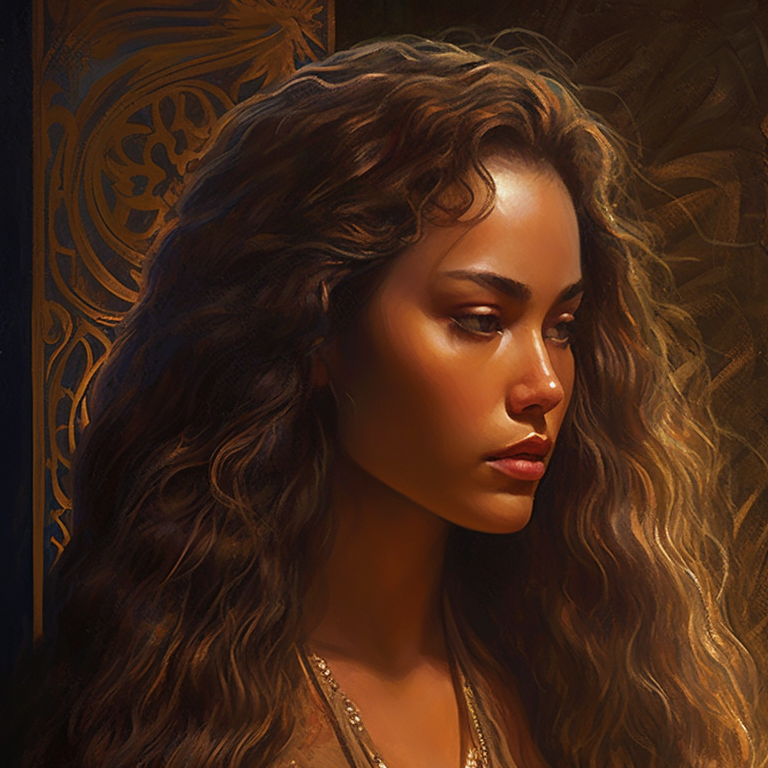
Hina
Moon, kapa and female divine power
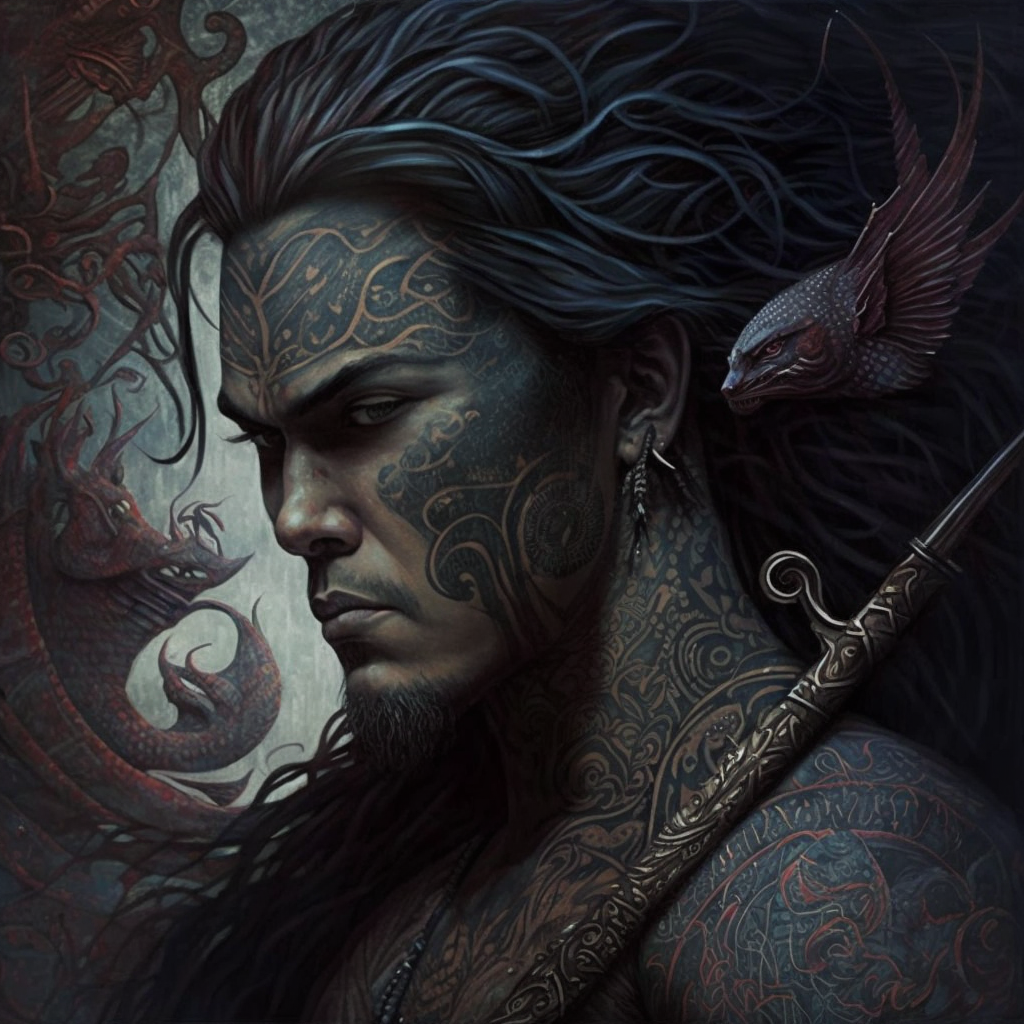
Māui
Demigod, trickster and culture hero
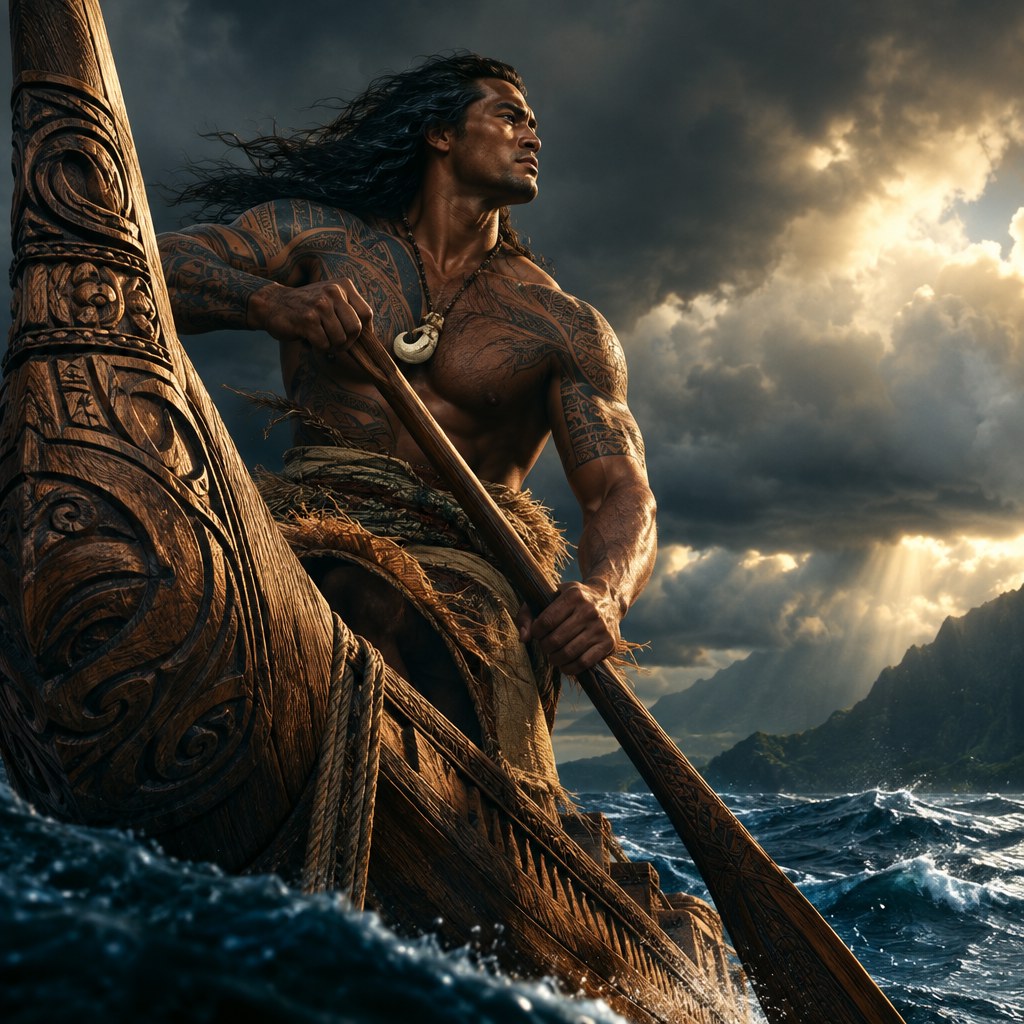
Tangaroa
Sea, living waters and marine life
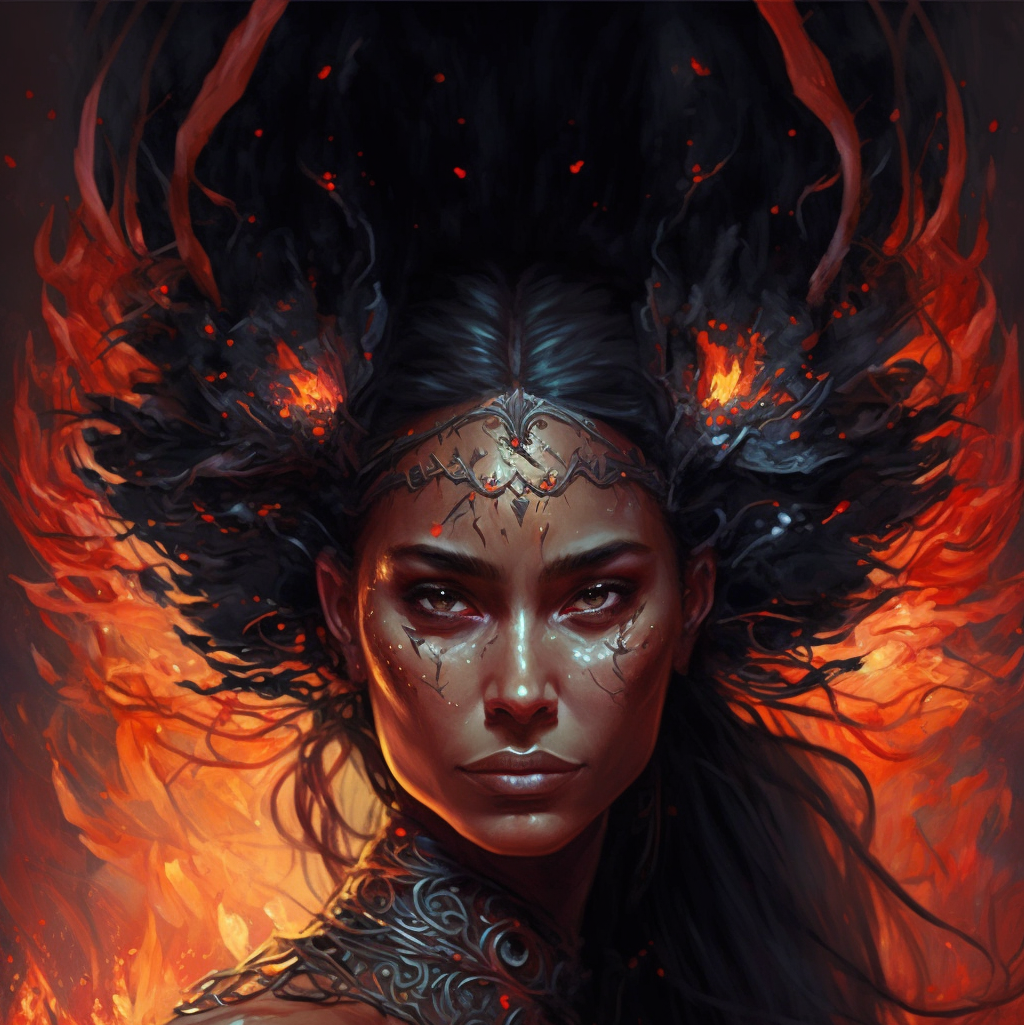
Pele
Volcanoes, fire and volcanic creation
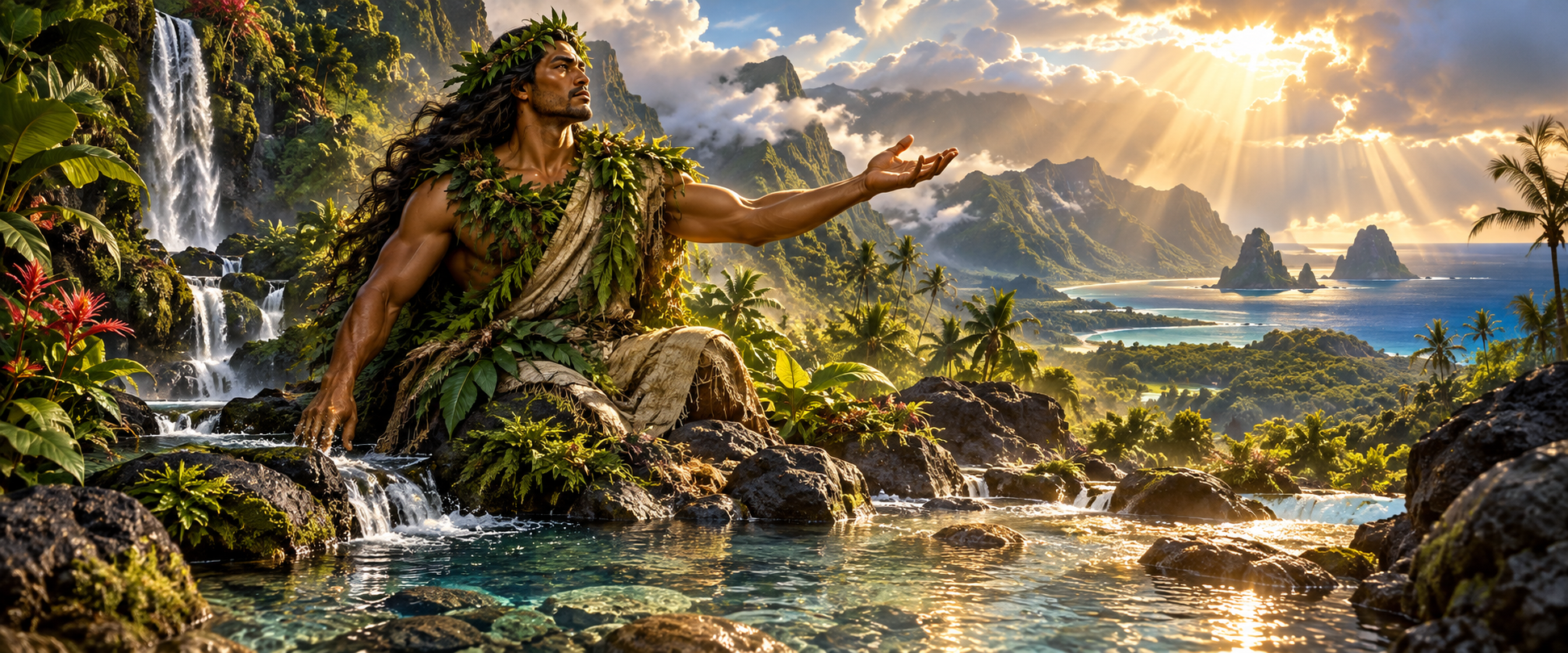
Kāne
Life, creation, fresh water and sunlight
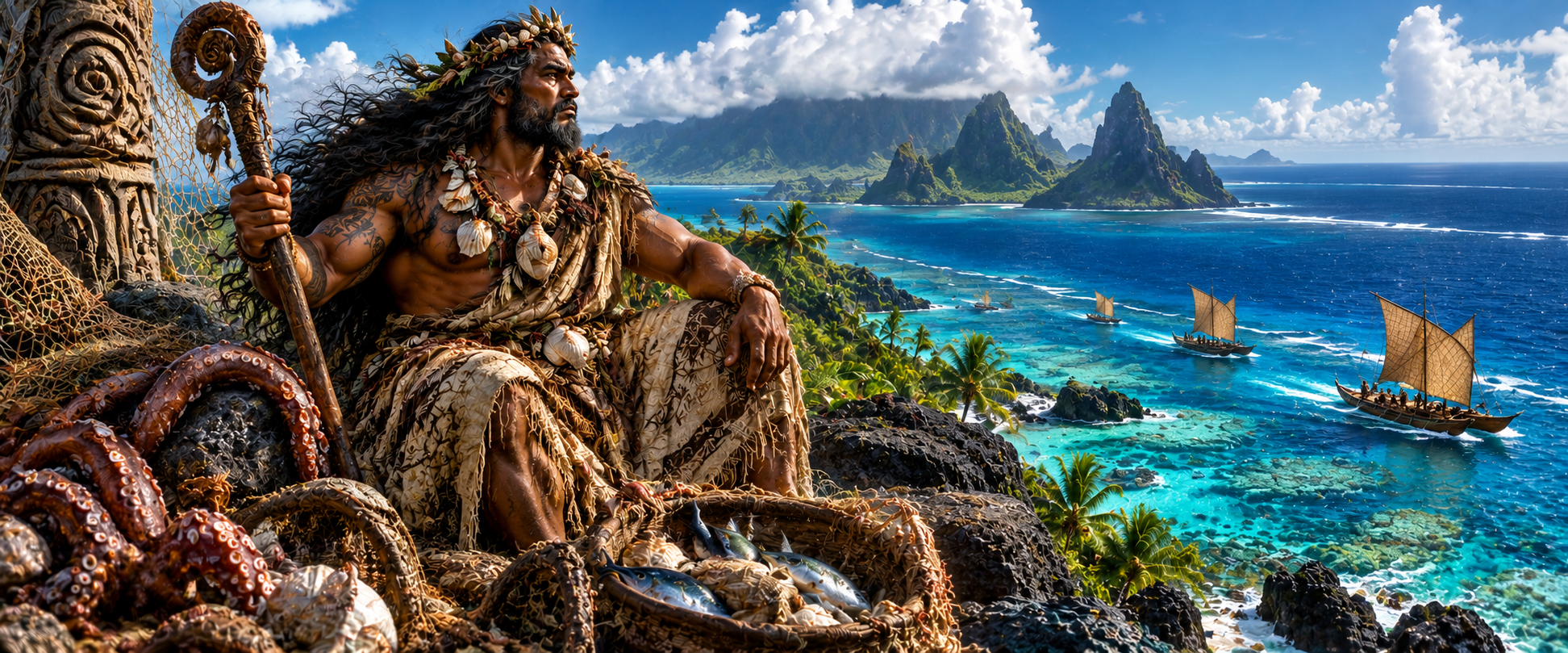
Kanaloa
Deep ocean, voyaging, fishing and hidden currents
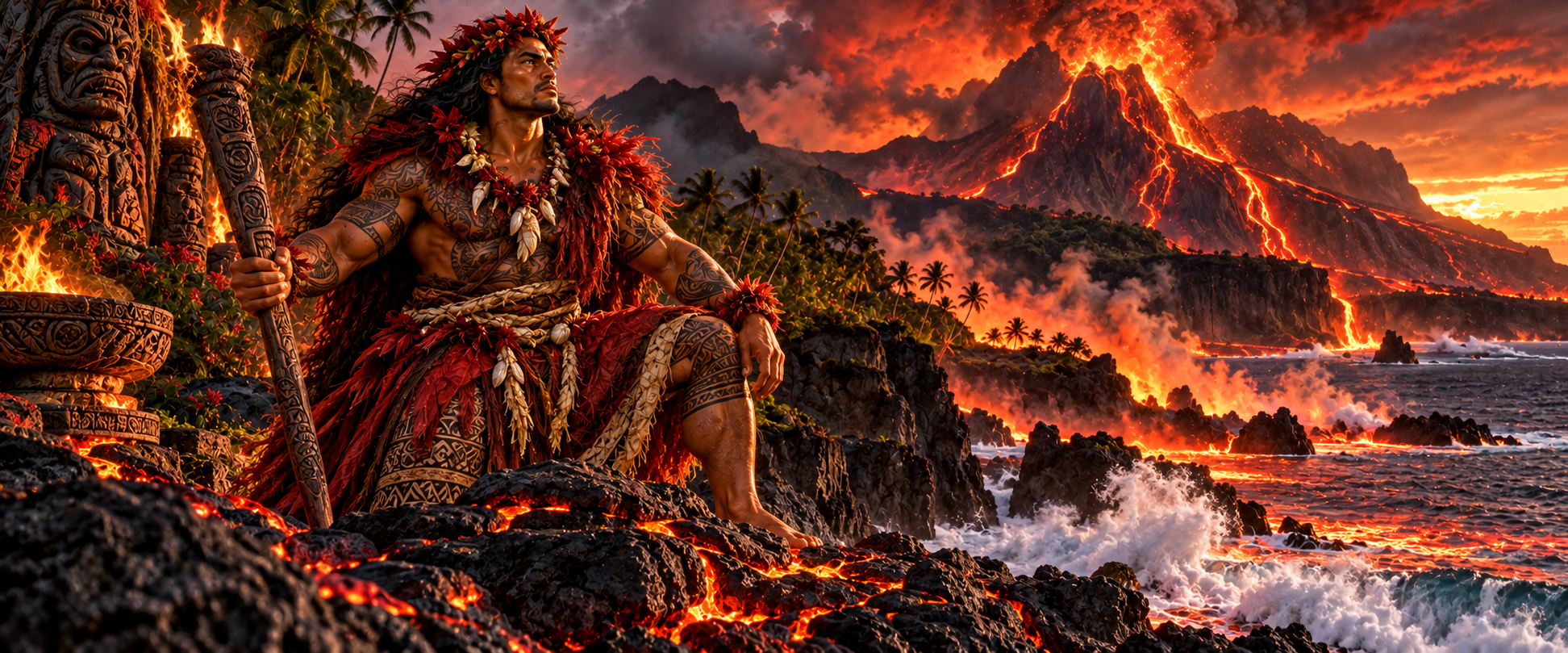
Kū
Governance, warfare, industry and disciplined labour
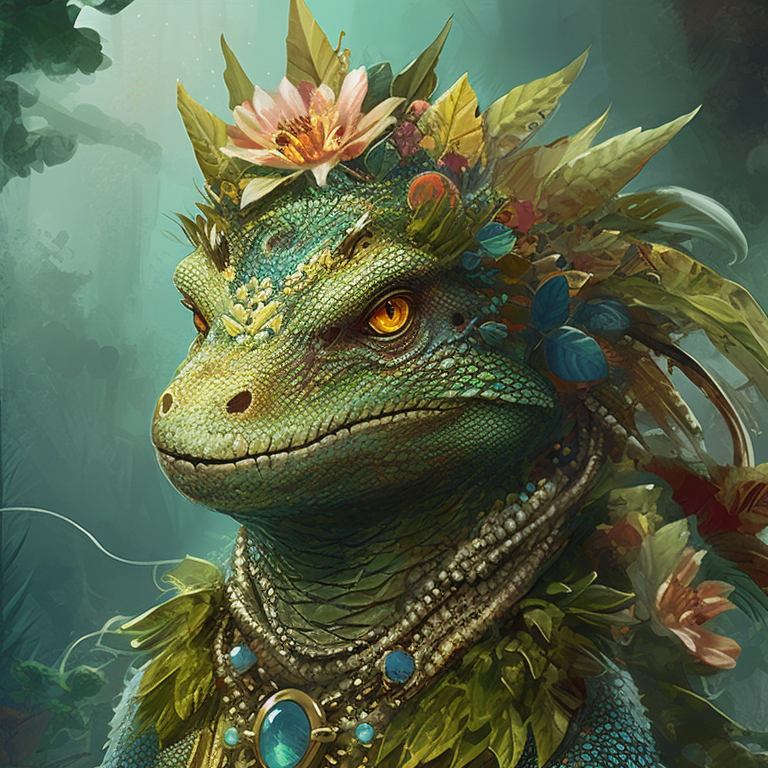
Waka
Moʻo guardian of Paliuli
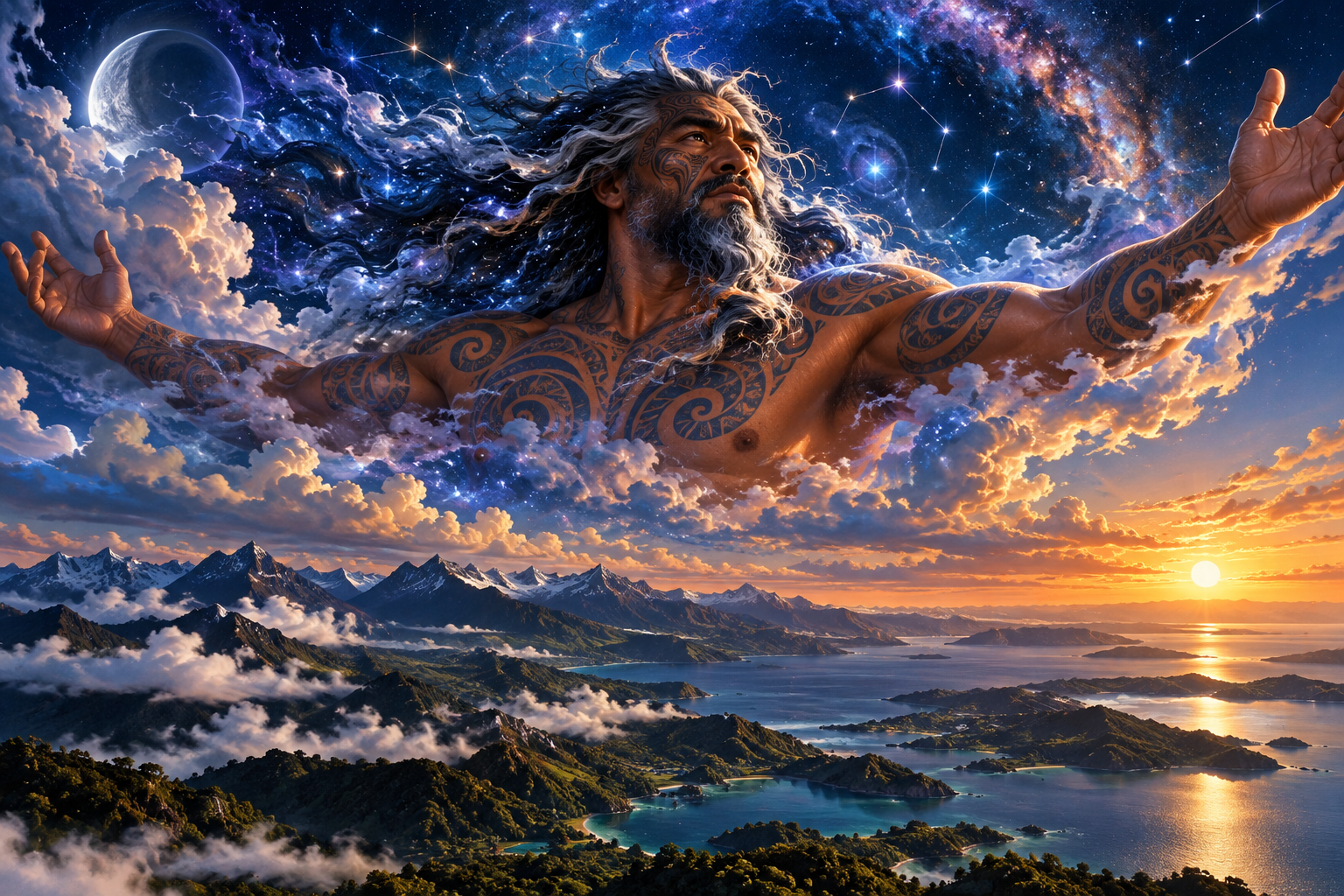
Ranginui
Sky Father and primal parent
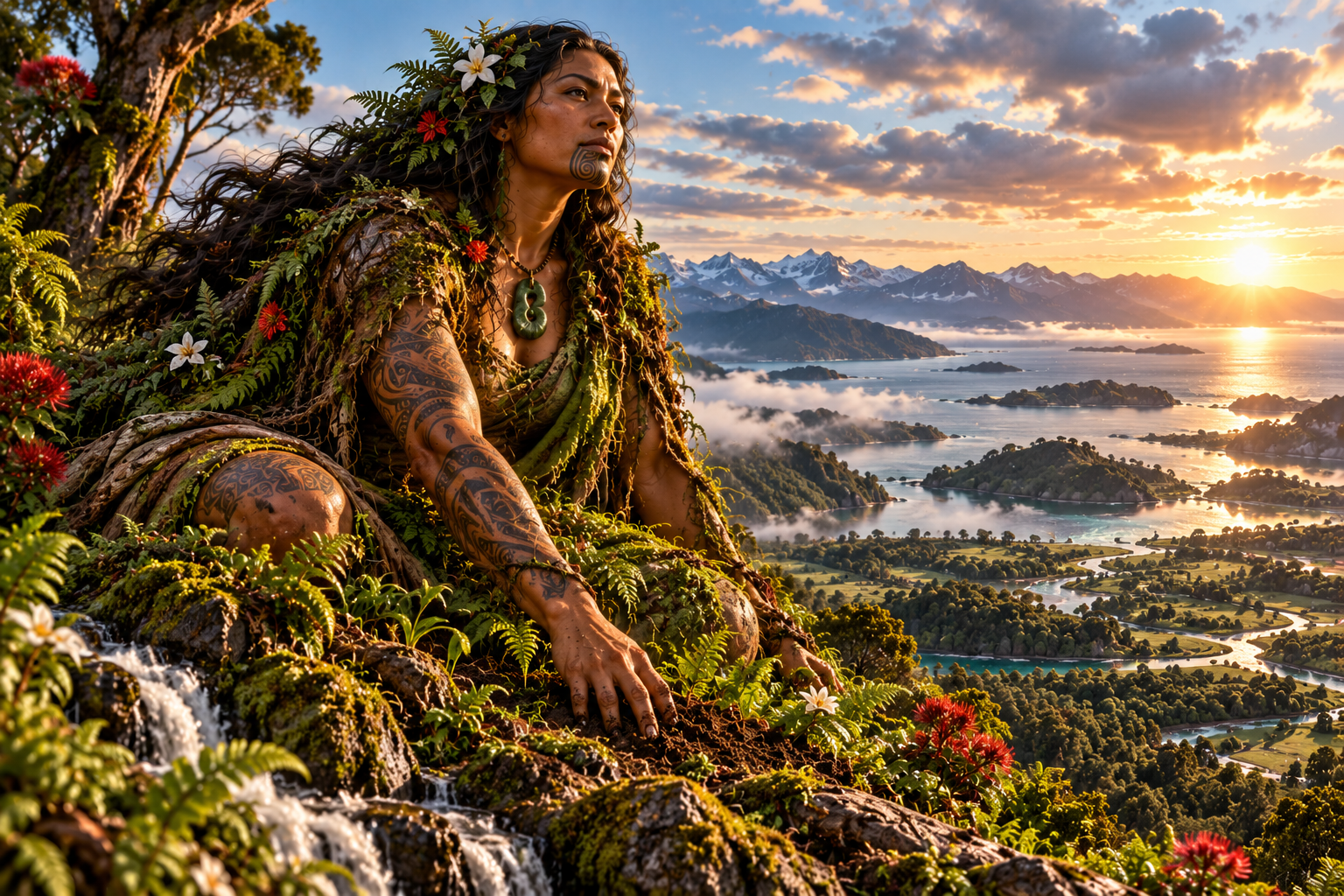
Papatūānuku
Earth Mother, land and belonging
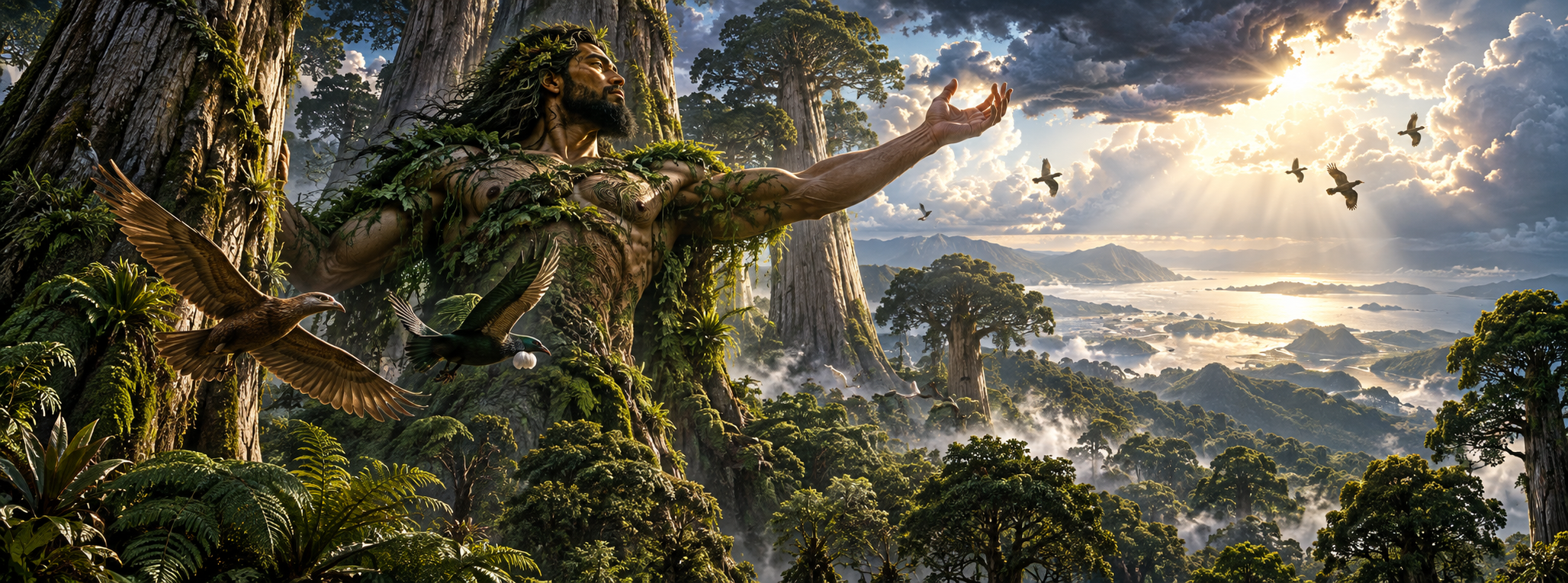
Tāne Mahuta
Forests, birds, creation and knowledge
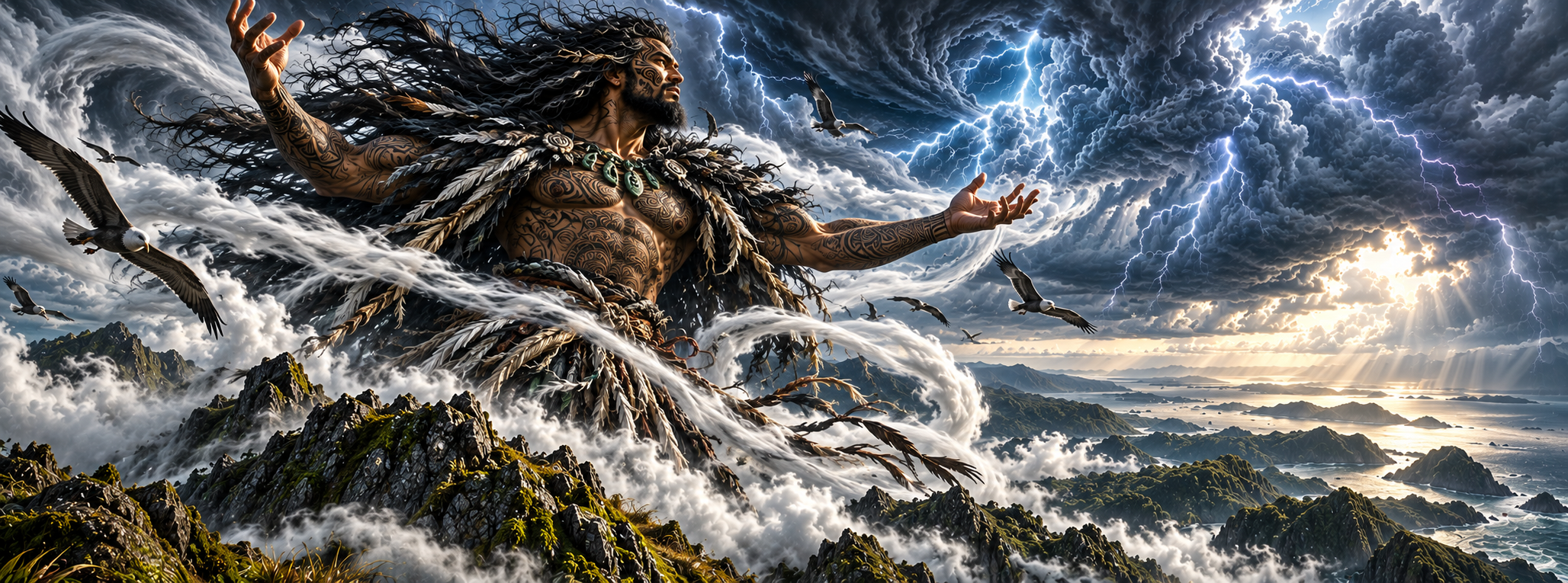
Tāwhirimātea
Winds, weather and storms
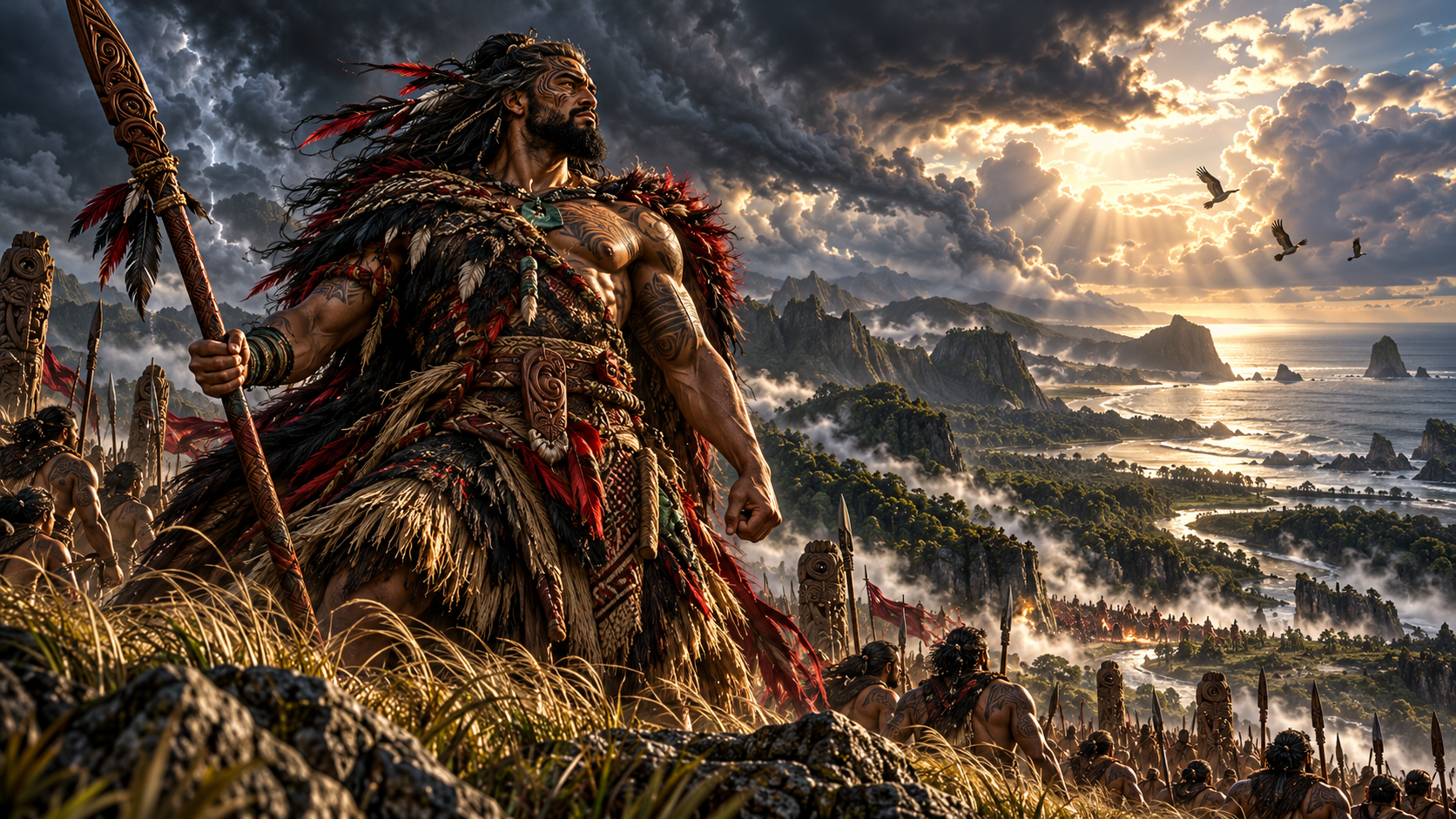
Tūmatauenga
War, humankind and human resolve
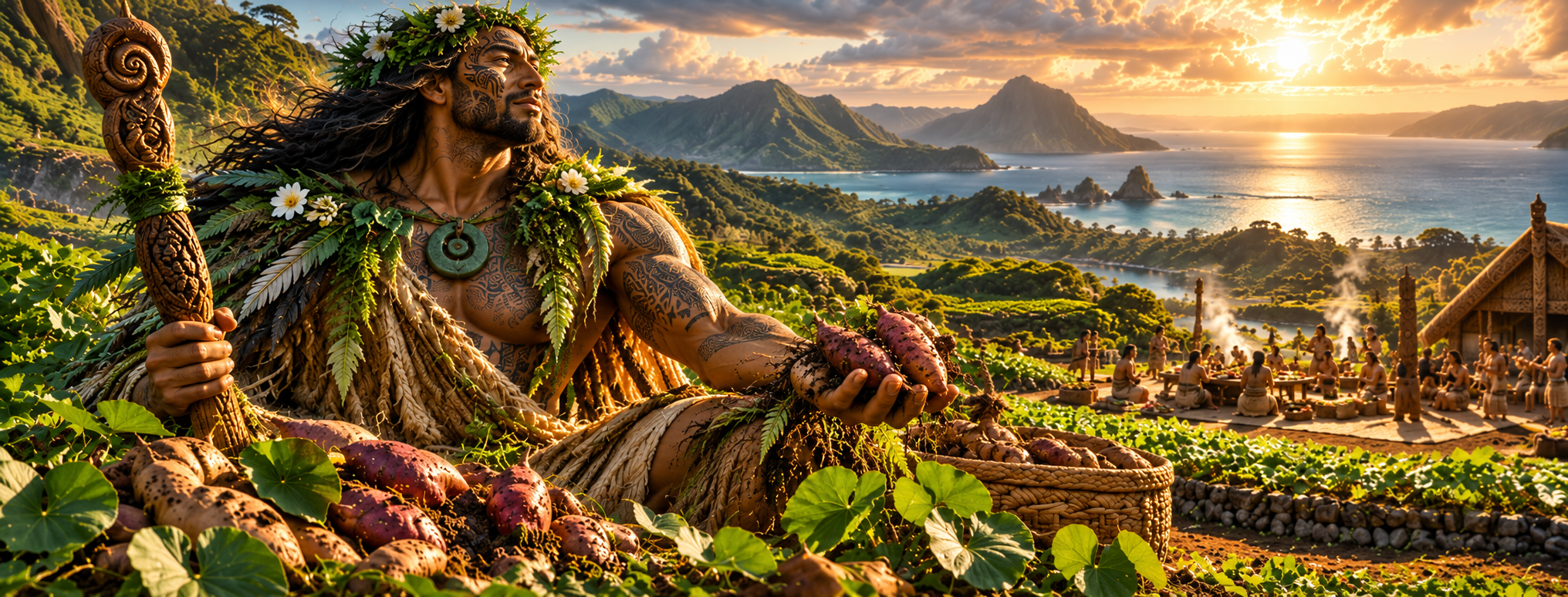
Rongo-mā-Tāne
Cultivated food, kūmara and peace
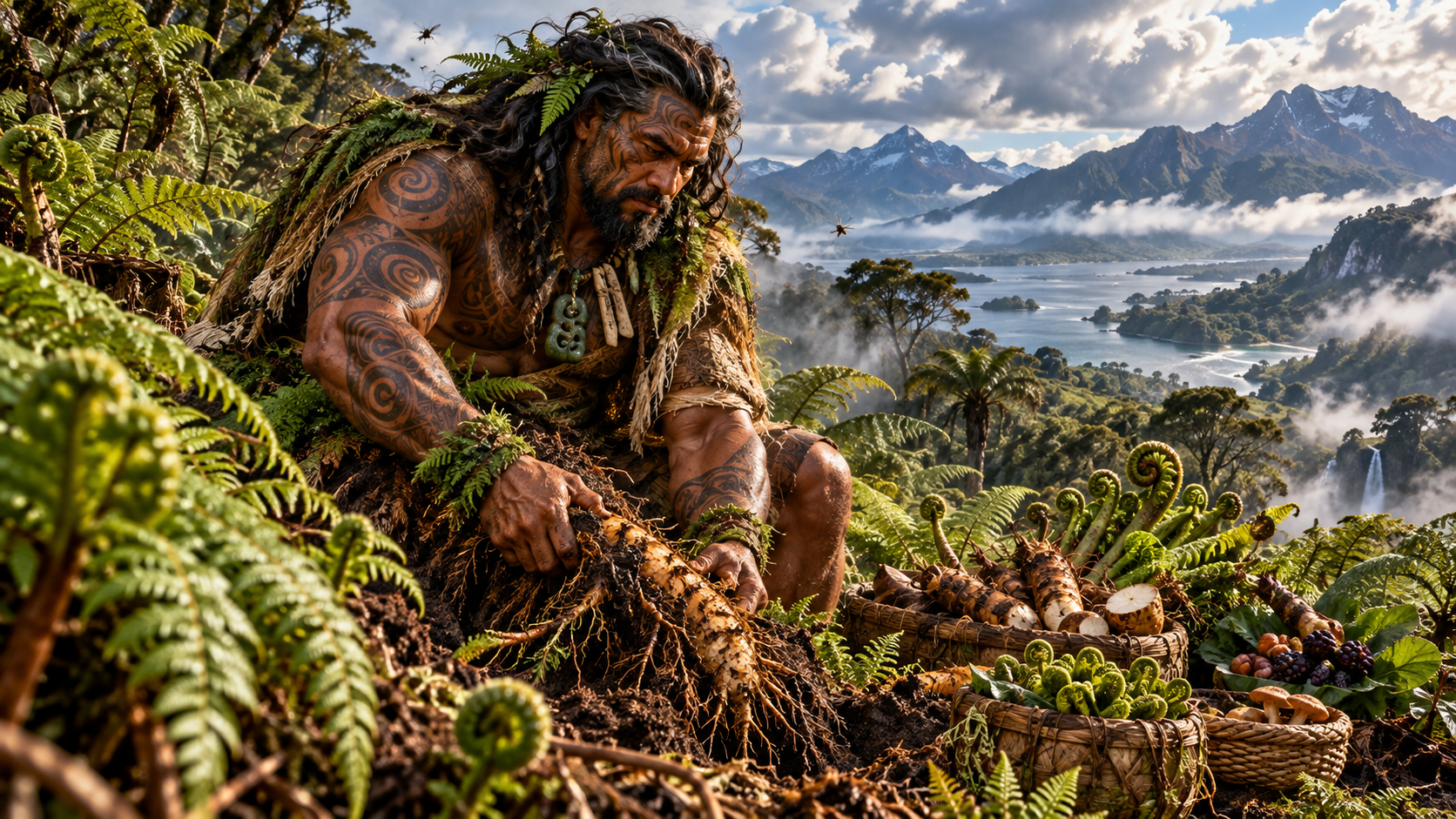
Haumia-tiketike
Wild foods, aruhe and gathering
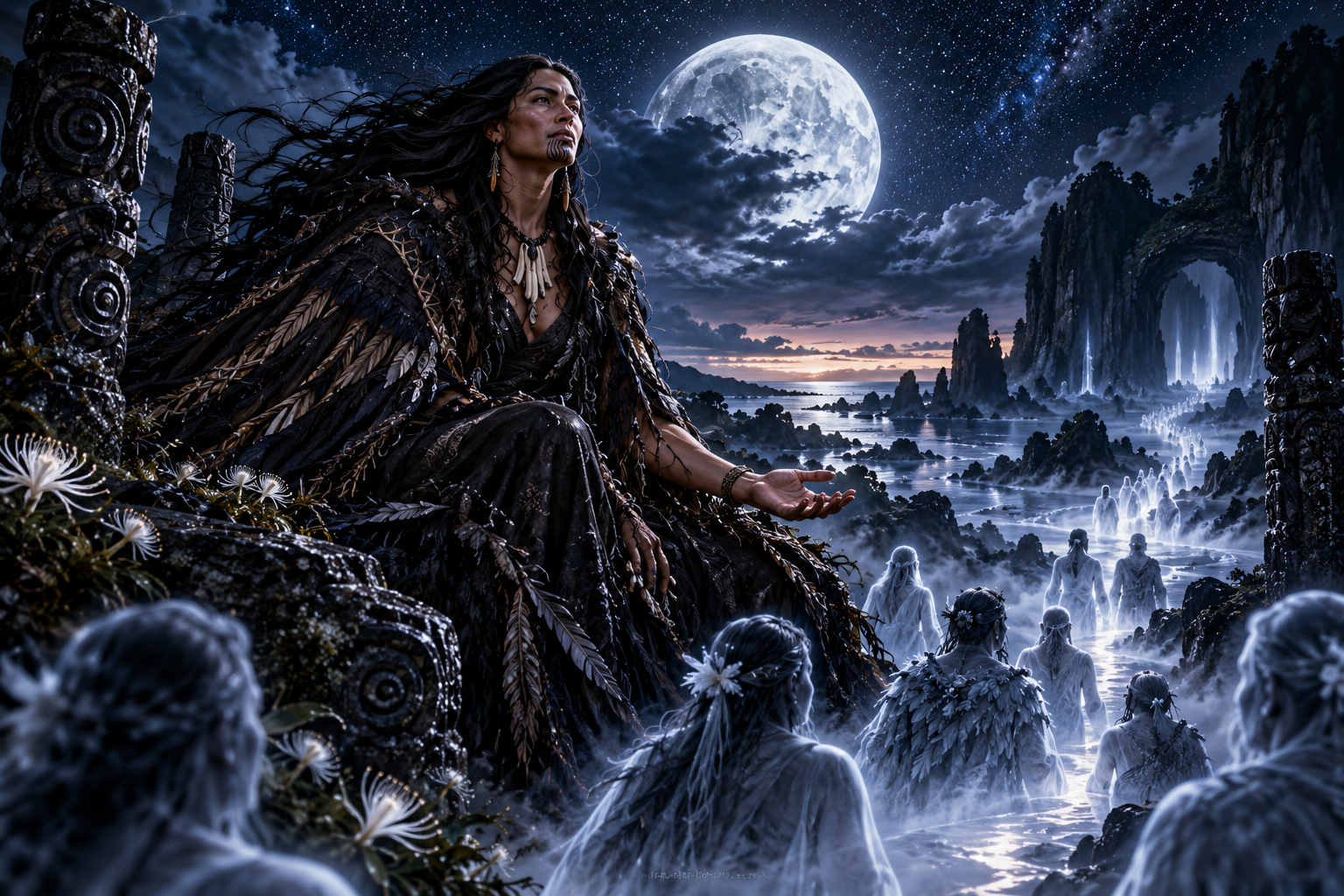
Hine-nui-te-pō
Rarohenga, ancestors and mortality
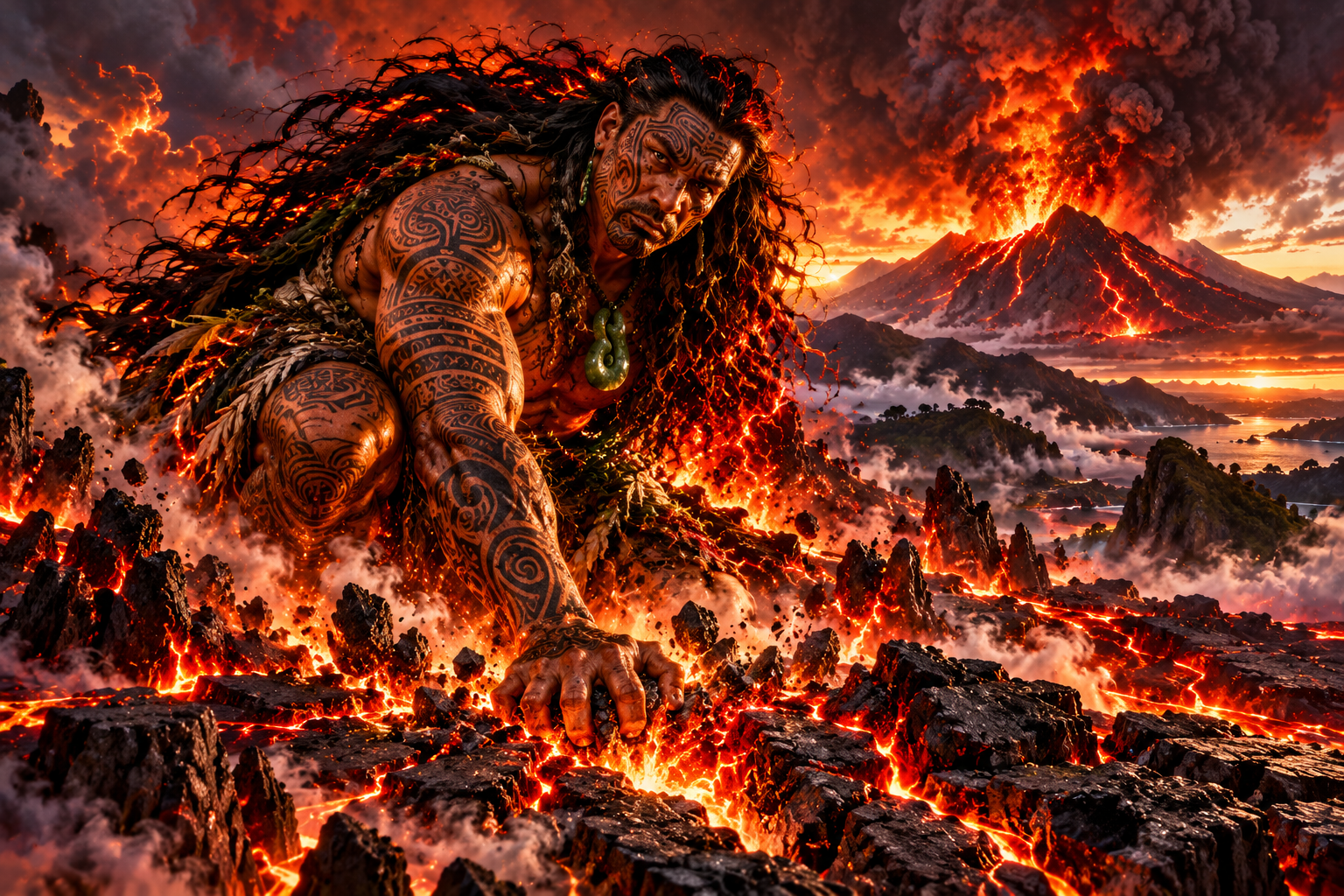
Rūaumoko
Earthquakes and volcanic forces
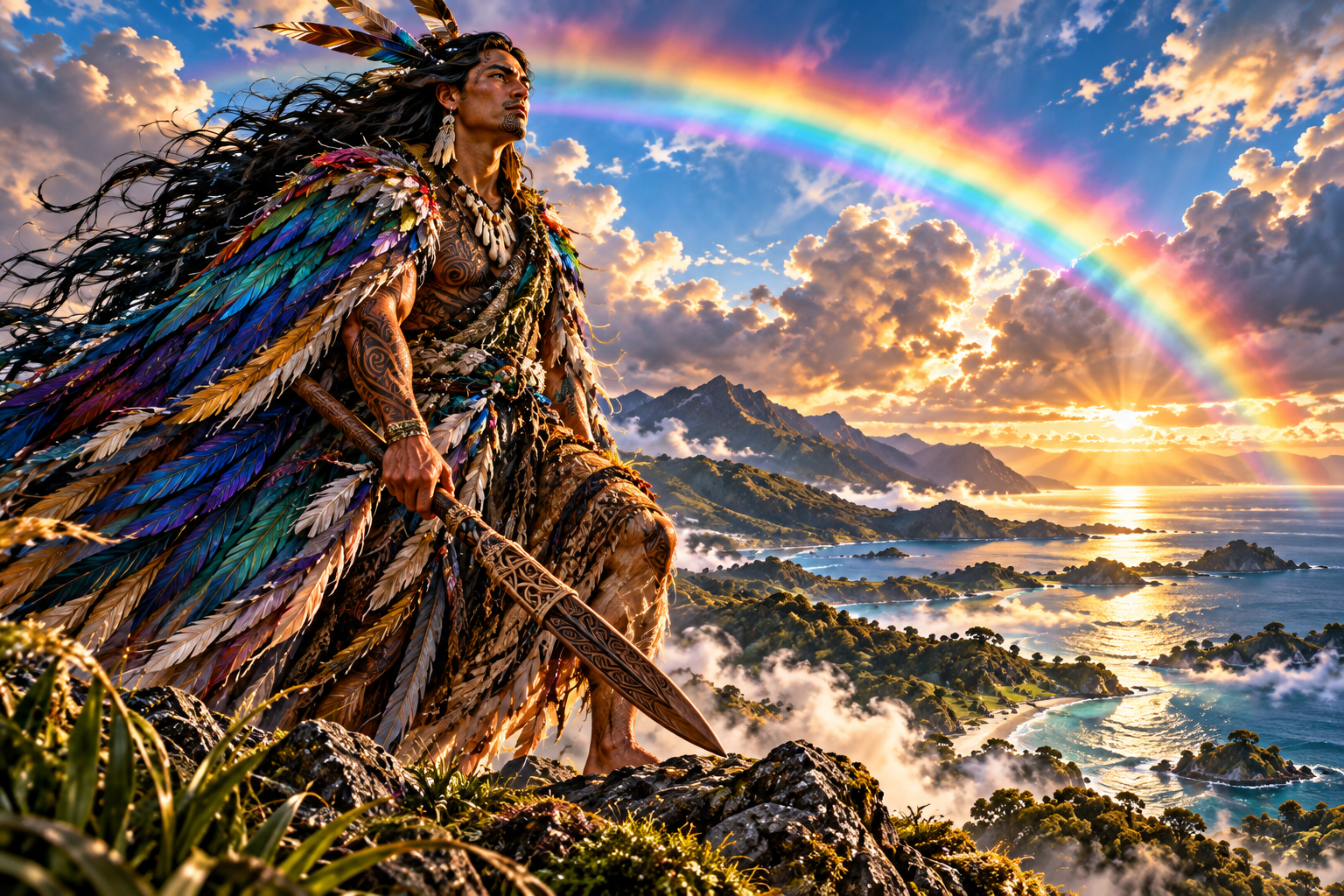
Uenuku
Rainbow, war and celestial omens
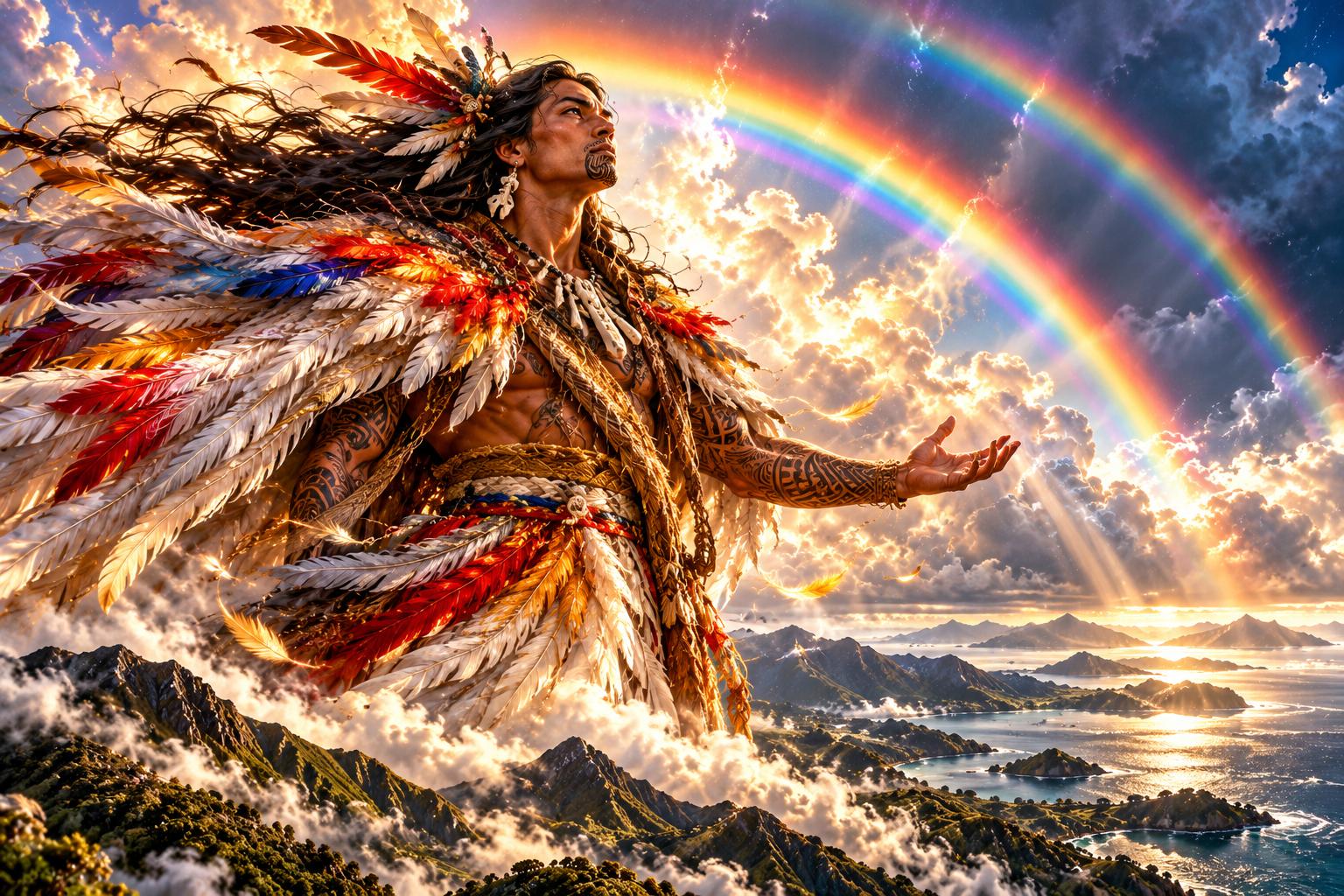
Kahukura
Double rainbow, war and uncertain omens
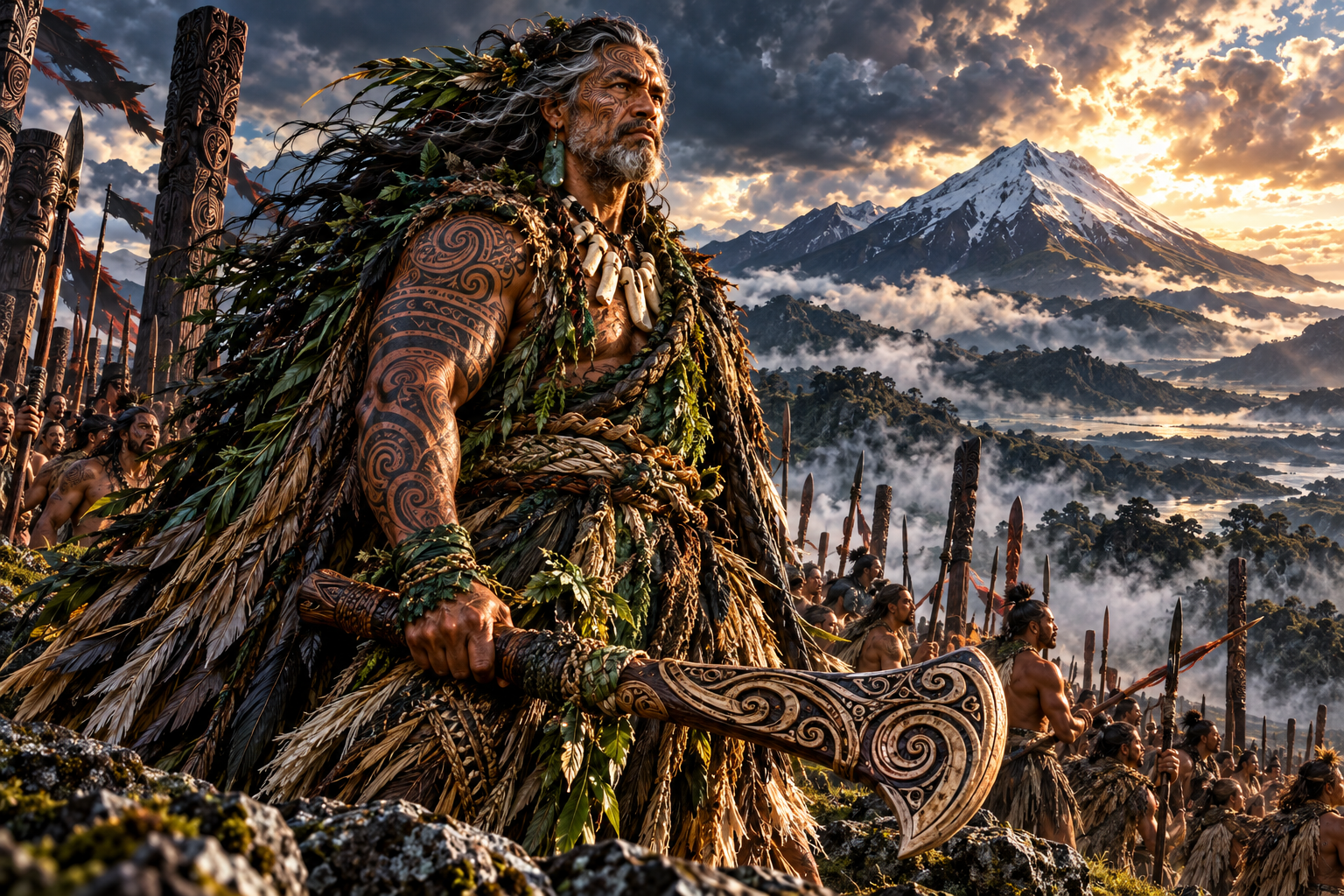
Maru
War, defence and Taranaki tradition
Māori Atua
Ranginui and Papatūānuku stand at the centre of a major creation genealogy. Their children include Tāne Mahuta, forests and birds; Tāwhirimātea, winds and weather; Tangaroa, sea and marine life; Tūmatauenga, war and humankind; Rongo-mā-Tāne, cultivated food and peace; and Haumia-tiketike, uncultivated foods.
Hine-nui-te-pō is the great ancestress of Rarohenga and guardian of the threshold of death, while Rūaumoko is associated with earthquakes and volcanic forces beneath the earth. Uenuku and Kahukura are distinct rainbow-associated war atua, while Maru is a major war atua associated especially with Taranaki.
Hawaiian Akua
Kāne, Kanaloa, Kū and Lono are among the great Hawaiian akua, with overlapping associations including life, freshwater, ocean, voyaging, warfare, agriculture, rain and abundance.
Haumea is an ancestral power of fertility and birth. Around Pele stands a powerful divine family including Hiʻiaka, Nāmakaokahaʻi, Kamohoaliʻi and Kapō. Laka, Kamapuaʻa, Poliʻahu, Wākea and Papahānaumoku belong to other major traditions of hula, landscape, rain, snow, fertility and ancestry.
Tahitian and Society Islands Gods
Taʻaroa, Tane, Tu and Roʻo form an important Tahitian divine grouping. ʻOro became a particularly powerful god of war and chiefly authority. Related names elsewhere in Polynesia do not erase the distinct Tahitian identities, genealogies and cults attached to these gods.
Samoan Gods
Tagaloa occupies a major place in Samoan creation traditions. Nafanua is one of Samoa’s important divine figures of war and political destiny. Their stories remain rooted in Samoan sacred history even where related names and themes occur elsewhere in Polynesia.
Related Gods, Different Traditions
Tangaroa, Kanaloa, Taʻaroa and Tagaloa preserve deep Polynesian relationships, but similar names do not make them a single deity with one biography. Each profile keeps the local tradition, genealogy, ritual role and landscape intact before drawing wider comparisons.
Using the Gods in Play
- Start with place: a god is encountered through a particular island, community, landscape or lineage rather than through a generic “Polynesian” temple.
- Use genealogy: divine family relationships create obligations, alliances and conflicts that can drive adventures directly.
- Let landscape carry divine power: volcanoes, forests, gardens, reefs, winds, springs and fishing grounds can all become active sacred spaces.
- Keep related gods distinct: shared ancestry across Polynesia creates connections without flattening local traditions into one mythology.
Explore the Pacific World
Keep this reference growing
If this page helped with your reading or game, you can support its upkeep or explore the curated books.
Explore the Bookshop — epics, classics and stories behind imagined worlds.