
Flying Polyp — Invisible Tyrant of the Elder Winds
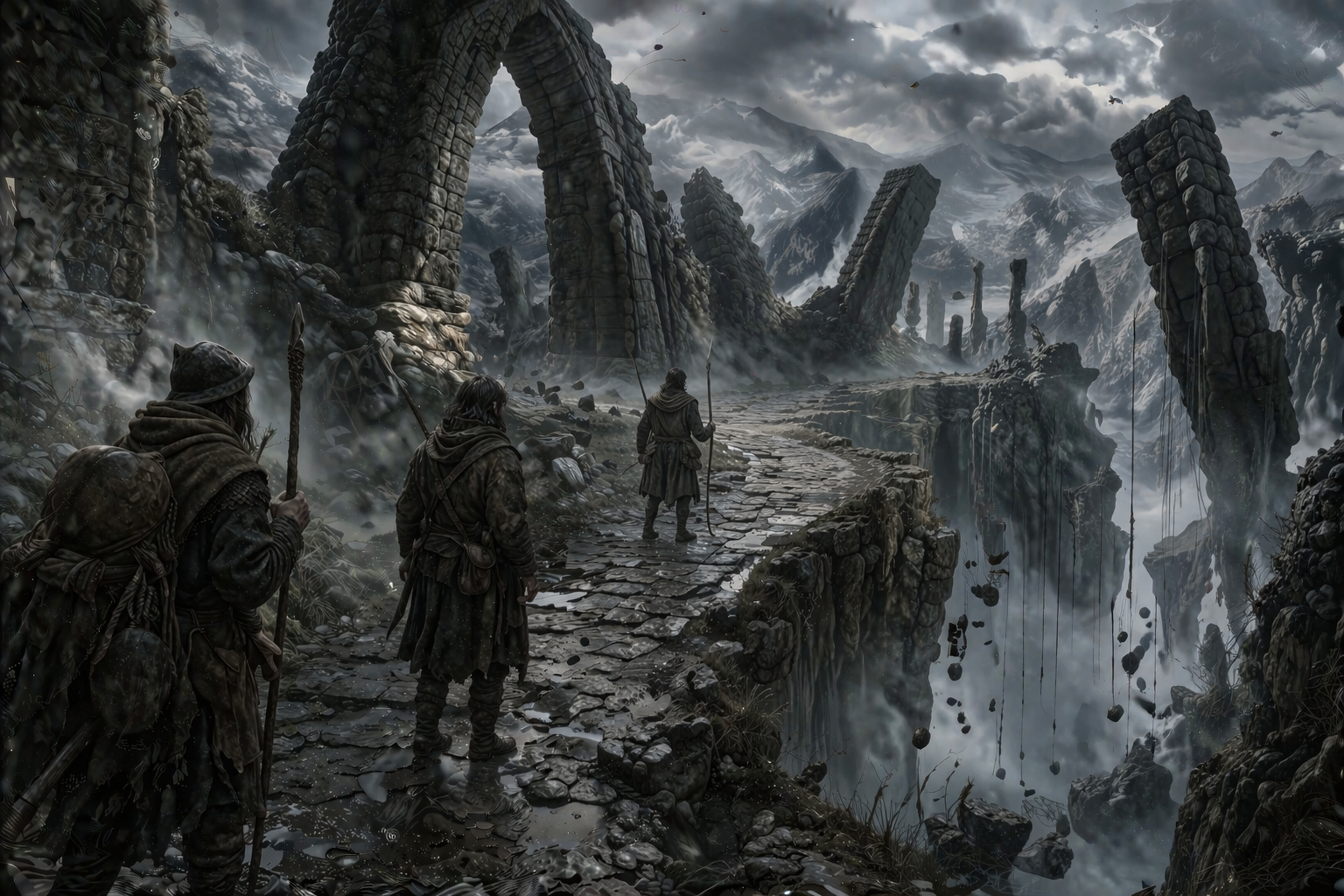
An ancient, half-seen horror whose body flickers in and out of visibility while its mastery of wind pins prey in place and strips flesh from bone.
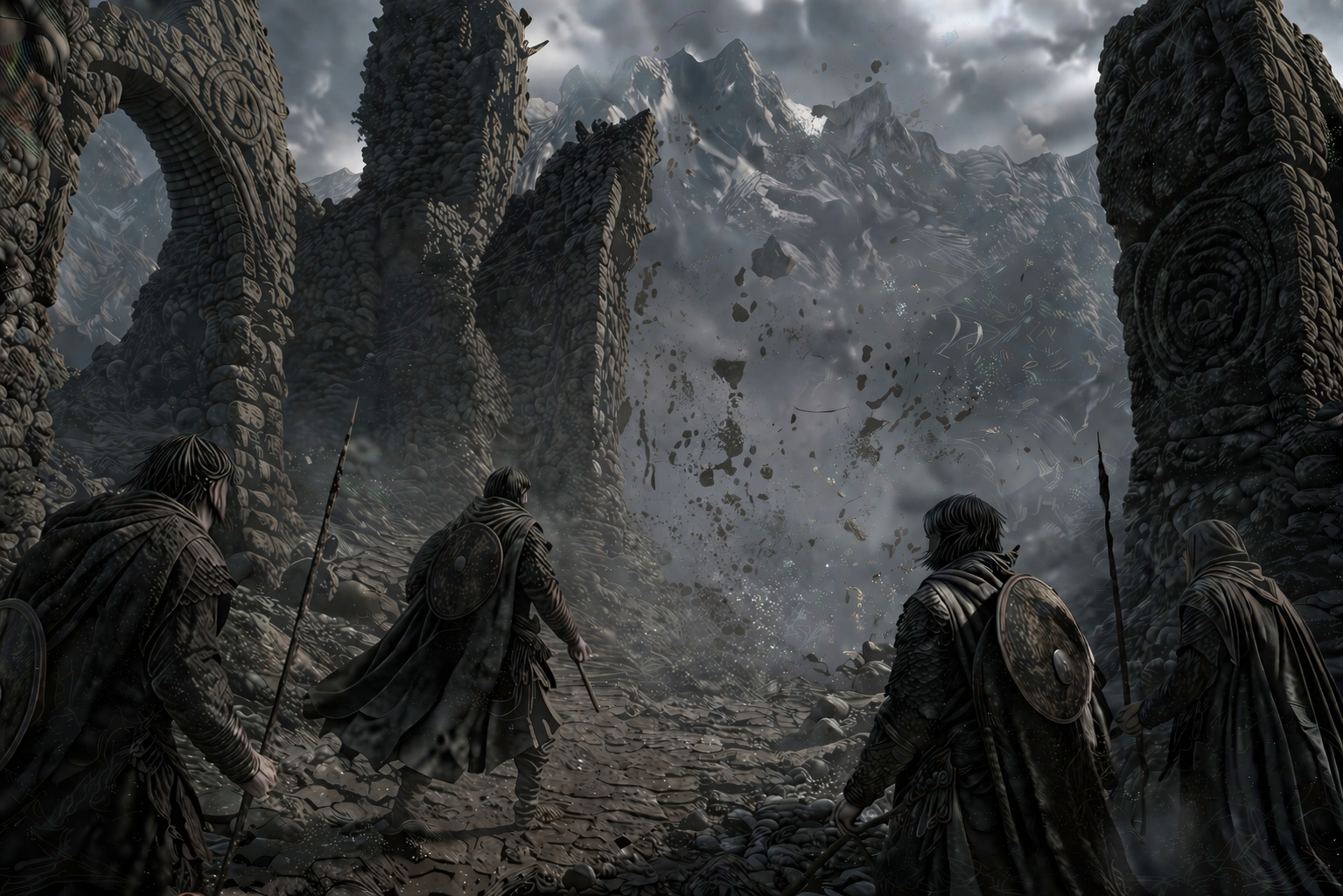
A Flying Polyp is difficult to perceive as a complete creature. Dust, rain and loose debris reveal a huge shifting outline; fragments of eyes, tendrils and wet flesh appear and vanish; the air whistles through wounds instead of blood flowing from them. Its most reliable shape is the storm surrounding it.
At a Glance
Run It Tonight
Do not show the creature first. Show the air behaving incorrectly: grit spirals around an empty point, torches bend toward a pressure drop, and one character feels an invisible current pulling backward. Only after the party realises there is something inside the storm should the polyp become partially visible.
Rules by Edition
Flying Polyp
Huge Aberration, typically Chaotic Evil
AC 18; Initiative +3 (13)
HP 210 (20d12 + 80)
Speed 20 ft., Fly 60 ft. (Hover)
24 (+7)
16 (+3)
20 (+5)
18 (+4)
18 (+4)
18 (+4)
Saving Throws Dex +7, Con +9, Wis +8
Skills Perception +8, Stealth +7
Resistances Acid, Cold, Thunder; Bludgeoning, Piercing and Slashing from nonmagical attacks
Vulnerability Lightning
Senses Darkvision 120 ft., Tremorsense 60 ft.; Passive Perception 18
Languages Aklo; telepathy 120 ft.
CR 12 (8,400 XP); PB +4
Traits
Partial Invisibility. Attack rolls against the polyp have Disadvantage unless the attacker can see Invisible creatures or the polyp has taken Lightning damage since the end of its last turn.
Deflecting Winds. The polyp has Advantage on Dexterity saving throws against ranged effects and Resistance to damage from ranged weapon attacks.
Amorphous. The polyp can move through a space as narrow as 5 feet wide without squeezing.
Actions
Multiattack. The polyp makes three Tentacle attacks.
Tentacle. Melee Attack Roll: +11, reach 20 ft. Hit: 18 (2d10 + 7) Bludgeoning damage, and a Huge or smaller target is Grappled (escape DC 19).
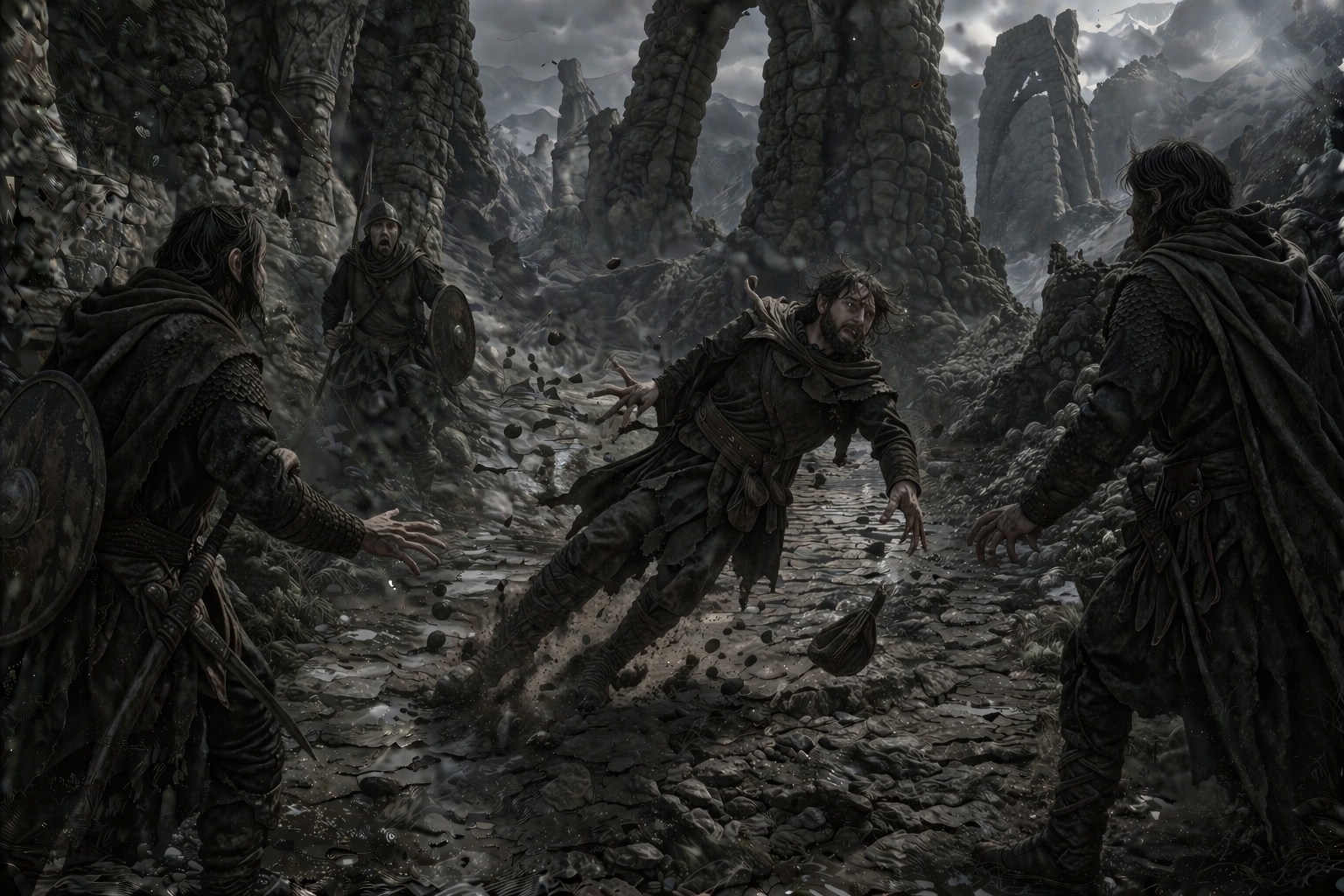
Wind Blast (Recharge 5–6). Each creature in a 30-foot-radius Sphere centred on a point the polyp can see within 120 feet makes a DC 17 Dexterity saving throw. On a failure, it takes 42 (12d6) Bludgeoning damage, is pushed 20 feet and has the Prone condition. On a success, it takes half damage and is not pushed or knocked Prone.
Sucking Wind (1/Day). For 1 minute, a 120-foot Emanation around the polyp becomes Difficult Terrain for its enemies. At the start of an enemy’s turn in the area, it makes a DC 17 Constitution saving throw. On a failure, its Speed becomes 0 until the start of its next turn. The polyp must Concentrate to maintain the effect.
Flying Polyp
Huge aberration, chaotic evil
Armor Class 18
Hit Points 210 (20d12 + 80)
Speed 20 ft., fly 60 ft. (hover)
24 (+7)
16 (+3)
20 (+5)
18 (+4)
18 (+4)
18 (+4)
Saving Throws Dex +7, Con +9, Wis +8
Skills Perception +8, Stealth +7
Damage Resistances acid, cold, thunder; bludgeoning, piercing and slashing from nonmagical attacks
Damage Vulnerabilities lightning
Senses darkvision 120 ft., tremorsense 60 ft., passive Perception 18
Languages Aklo, telepathy 120 ft.
Challenge 12 (8,400 XP)
Traits
Partial Invisibility. Attack rolls against the polyp have disadvantage unless the attacker can see invisible creatures or the polyp was struck by lightning since the end of its previous turn.
Deflecting Winds. The polyp has advantage on Dexterity saving throws against ranged effects.
Actions
Multiattack. The polyp makes three tentacle attacks.
Tentacle. Melee Weapon Attack: +11 to hit, reach 20 ft., one target. Hit: 18 (2d10 + 7) bludgeoning damage, and a Huge or smaller target is grappled (escape DC 19).
Wind Blast (Recharge 5–6). Creatures in a 30-foot-radius burst within 120 feet make a DC 17 Dexterity saving throw, taking 42 (12d6) bludgeoning damage and being pushed 20 feet on a failure, or half damage on a success.
Sucking Wind (1/Day). For up to 1 minute while the polyp concentrates, enemies within 120 feet treat the area as difficult terrain and must succeed on a DC 17 Constitution saving throw at the start of each turn or have speed 0 until the start of their next turn.
Flying Polyp CR 14
XP 38,400
CE Huge aberration (air)
Init +6; Senses darkvision 60 ft.; Perception +26; Aura frightful presence 90 ft.
Defense
AC 29, touch 16, flat-footed 26 (+5 deflection, +2 Dex, +1 dodge, +13 natural, −2 size)
hp 207 (18d8+126)
Fort +13, Ref +12, Will +16
DR 10/magic and slashing; Immune acid, cold, sonic; SR 25; Weakness electricity
Offense
Speed 30 ft., fly 60 ft. (perfect)
Melee 4 tentacles +23 (2d8+10/19–20 plus grab)
Space 15 ft.; Reach 15 ft.
Special Attacks frightful presence, sucking wind, wind blast
Statistics
Str 30, Dex 15, Con 24, Int 19, Wis 20, Cha 21
Base Atk +13; CMB +25 (+29 grapple); CMD 42 (can’t be tripped)
Feats Combat Reflexes, Dodge, Flyby Attack, Improved Critical (tentacle), Improved Initiative, Mobility, Power Attack, Vital Strike, Weapon Focus (tentacle)
Skills Fly +27, Knowledge (engineering) +22, Knowledge (history) +22, Knowledge (nature) +22, Perception +26, Spellcraft +25, Stealth +15, Use Magic Device +23
Languages Aklo
Special Abilities
Deflecting Winds (Su). Precisely controlled winds grant the polyp a +5 deflection bonus to AC and +4 resistance bonus on Reflex saves.
Partial Invisibility (Su). Its body flickers between visibility and invisibility, giving attacks against it a 20% miss chance. By concentrating, it can become fully invisible.
Sucking Wind (Su). Once per day, the polyp can create an expanding wind field that slows selected creatures and can eventually hold them in place. Freedom of movement protects against the effect, while control winds can negate it locally.
Wind Blast (Su). Once every 1d4 rounds, the polyp produces a 30-foot-radius burst within 120 feet, dealing 14d6 bludgeoning damage; Reflex DC 26 half. The blast also functions as tornado-strength wind against creatures and loose objects.
Ecology
Environment any
Organization solitary, pair or storm (3–10)
Treasure standard
Flying Polyp
Huge Aberration (Air)
Hit Dice 18d8+126 (207 hp)
Initiative +6
Speed 30 ft., fly 60 ft. (perfect)
Armor Class 29 (−2 size, +2 Dex, +1 dodge, +13 natural, +5 deflection), touch 16, flat-footed 26
Base Attack/Grapple +13/+31
Attack tentacle +23 melee (2d8+10/19–20)
Full Attack 4 tentacles +23 melee (2d8+10/19–20 plus improved grab)
Space/Reach 15 ft./15 ft.
Special Attacks frightful presence, sucking wind, wind blast
Special Qualities amorphous, partial invisibility, deflecting winds, DR 10/magic and slashing, acid immunity, cold immunity, sonic immunity, SR 25, electricity vulnerability
Saves Fort +13, Ref +12, Will +16
Abilities Str 30, Dex 15, Con 24, Int 19, Wis 20, Cha 21
Skills Fly +27, Knowledge (architecture and engineering) +22, Listen +26, Spellcraft +25, Spot +26
Feats Combat Reflexes, Dodge, Flyby Attack, Improved Critical (tentacle), Improved Initiative, Mobility, Power Attack, Vital Strike, Weapon Focus (tentacle)
Environment ancient ruins and sealed underground prisons
Organization solitary, pair or storm (3–10)
Challenge Rating 14
Treasure standard
Alignment usually chaotic evil
Compatibility Note
This 3.5e block translates the open Pathfinder chassis into 3.5e terminology. It is not presented as an official 3.5e SRD monster.
Behaviour
Flying polyps are intelligent but profoundly alien. Their settlements, when they build them, are vast and unsettling rather than socially recognisable. They do not trade, bargain or maintain ordinary political relationships. What they understand very well is war.
They favour overwhelming pressure rather than pursuit. A sucking wind stops escape, partial invisibility makes retaliation unreliable, and concentrated wind blasts break formations or strip defenders from walls and rooftops.
Signs Before Initiative
- Dust curls around an invisible vertical shape.
- Wind moves toward one point from several directions at once.
- Old stone is scoured smooth as if centuries of sandstorm passed through one corridor.
- Birds and bats refuse to cross a particular opening.
- A sealed chamber whistles continuously despite having no visible draft.
- Lightning strikes reveal a vast outline for a fraction of a second.
If Violence Starts
The polyp begins by restricting movement. Once characters struggle against the sucking wind, it uses Wind Blast against clustered targets and tentacles against anyone who reaches its body. It should exploit vertical space aggressively.
Because the creature is vulnerable to electricity, a party that identifies the weakness can use lightning both for damage and as a narrative way to reveal its otherwise unreliable outline.
Counterplay
Electricity is the key weakness. Lightning attacks punish the creature and briefly make its position easier to track in the fifth-edition adaptations. Effects that control or negate wind are equally valuable because they attack the polyp’s battlefield control rather than its hit points.
Do not scatter. The creature is strongest when the party tries to flee in different directions through the sucking wind. Protected movement, anchored positions and coordinated lightning attacks give adventurers a much better chance.
Ancient Wars and Imprisonment
Flying polyps belong to the Mythos tradition of prehuman civilisations and wars fought on timescales that dwarf mortal kingdoms. The Pathfinder interpretation emphasises creatures that built vast wind-sculpted cities, waged extermination wars and were sometimes sealed beneath the earth by enemies capable of matching them.
That makes a flying-polyp site ideal for deep history. The dungeon is not merely its lair; it may be the prison constructed to keep it away from the sky.
Using a Flying Polyp in an Encounter
The opened prison. An earthquake breaks a shaft into a chamber deliberately sealed in prehistory.
The storm without weather. A caravan route develops a stationary wind that grows stronger every day.
The lightning outline. Travellers insist that storms briefly reveal something enormous moving over a ruined plateau.
The scoured city. Excavators uncover a settlement whose stone has been carved almost entirely by controlled abrasive wind.
Related Creatures and Places
Flying polyps fit naturally beside other cosmic aberrations in the Aberration Bestiary and ancient threats tied to the Far Realm. Their long history also connects them to the oldest eras of the Timeline.
Rules Sources and Licensing
The Pathfinder 1e Flying Polyp appears in Pathfinder Roleplaying Game Bestiary 4, © 2013 Paizo Publishing, LLC, and provides the open mechanical anchor for this page.
The 5.5e/2024 and 5e/2014 blocks are original compatibility adaptations. The D&D 3.5e block translates the open Pathfinder chassis into 3.5e terminology. The descriptive text is newly written rather than reproduced from literary or game sources.