
The Odyssey
Why The Odyssey still matters
The Odyssey is a homecoming story before it is a monster story. Its hero has survived Troy, but getting back to Ithaca means surviving divine hostility, bad decisions, strange islands and the consequences of his own pride. The poem keeps asking a harder question beneath the adventure: after years of war and wandering, can a man truly return to the life he left?
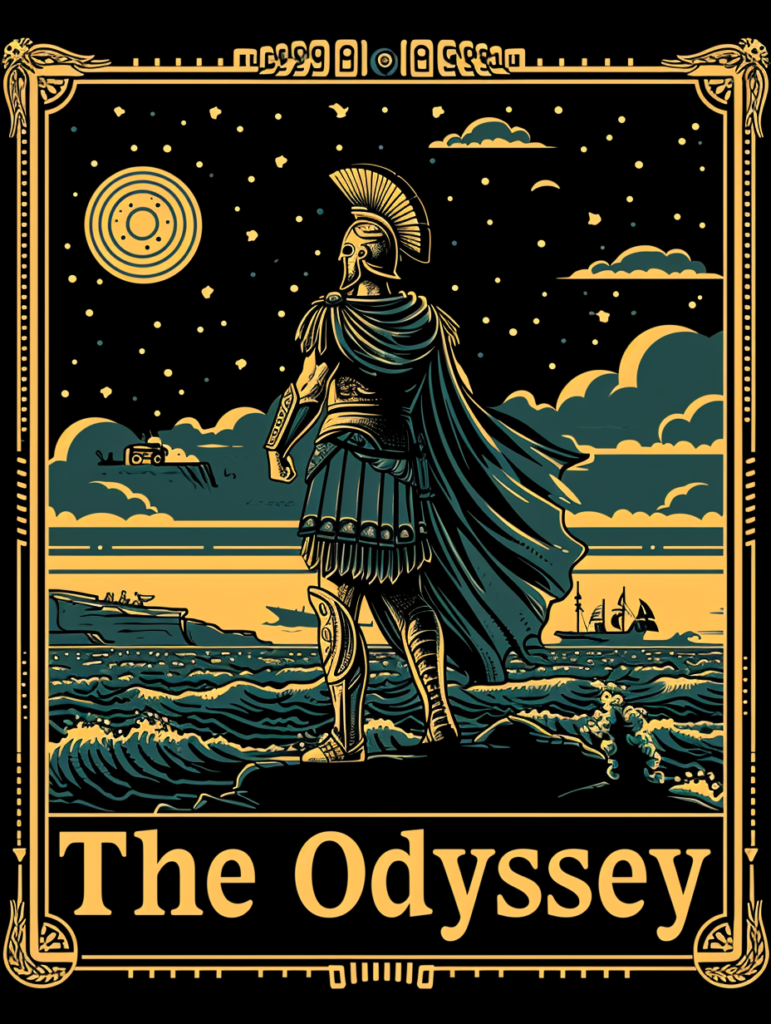
The story
Odysseus is trying to reach Ithaca after the Trojan War. Poseidon works against him, Athena favours him, and each stage of the voyage tests a different part of his character. The Cyclops rewards cleverness and punishes arrogance; Circe tests judgement; the Sirens make knowledge itself dangerous; Scylla and Charybdis force a choice between bad outcomes; Calypso offers escape from mortality at the price of home.
Ithaca is not standing still while he wanders. Penelope faces men consuming the household and pressing her to remarry, while Telemachus grows from an uncertain son into someone capable of acting in his father’s absence. When Odysseus finally returns, disguise and recognition matter as much as strength.
What to watch for
- Cunning versus force: Odysseus survives because he can lie, improvise and read a situation, but cleverness becomes dangerous when pride follows it.
- Hospitality: Hosts and guests are judged by how they treat one another; good and bad hospitality repeatedly reveals character.
- Identity and disguise: Names, masks, recognition and reputation drive the plot from the Cyclops episode to Ithaca.
- Home and loyalty: Penelope, Telemachus, servants and returning warriors all show different meanings of faithfulness.
- Divine favour and human choice: the gods shape the voyage, but Odysseus and his companions still create many of their own disasters.
Why fantasy readers keep coming back to it
The episodic voyage is full of images that later fantasy repeatedly borrows: cursed hospitality, seductive magic, impossible navigation, monstrous guardians, journeys to the dead and the dangerous return of a rightful ruler. Yet the poem works because those wonders are tied to recognisable human pressures—grief, temptation, anger, family, reputation and the desire to belong somewhere.
At the table: build a voyage from choices
Use the voyage as a model for varied pressures rather than a sequence the party must copy. Each destination can test a different need: food, trust, knowledge, safe passage or the desire to stop travelling.
- Make hospitality a decision: what does a host offer, and what do they expect from their guests?
- Give obstacles several approaches: cunning, negotiation and force should create different consequences.
- Keep home in motion: the place the party wants to reach can change while they are away.
Reading it today
Different translations can make The Odyssey feel like very different books: brisk adventure, formal epic, oral performance or intimate family drama. If one version feels distant, changing translation is often more useful than deciding the poem is not for you. The edition recommended above uses the E. V. Rieu translation revised by D. C. H. Rieu.
Follow the epic tradition into Virgil’s Aeneid, or return to the Books, Comics & Graphic Novels library for more works.
Keep this reference growing
If this page helped with your reading or game, you can support its upkeep or explore the curated books.
Explore the Bookshop — epics, classics and stories behind imagined worlds.